Authentic Mole Poblano Recipe
Indulge in the rich, complex flavors of homemade Mole Poblano with this authentic recipe. Dive into the depths of Mexican cuisine with this delectable delight!
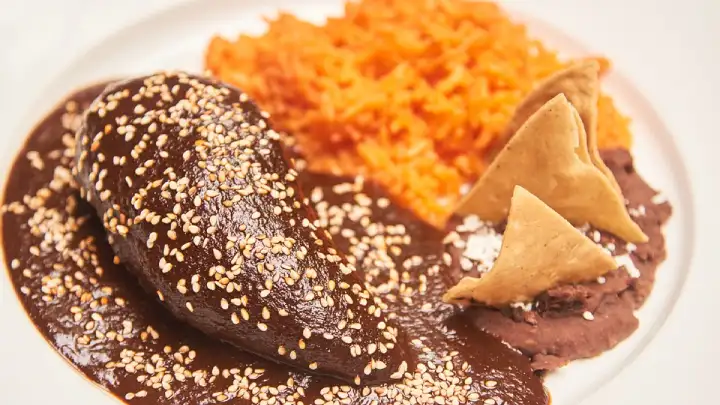
Table of Content
Traditional Mexican Mole Poblano
Click here to see more portionsMole poblano is the crown jewel of Mexican gastronomy, a deeply layered sauce from the city of Puebla that brings together dried chilies, toasted nuts, spices, and a touch of chocolate into something far greater than the sum of its parts. Legend has it that nuns at the Convent of Santa Rosa in Puebla improvised the dish in the colonial era using whatever ingredients they had on hand to honor a visiting archbishop, blending indigenous Mesoamerican ingredients like chiles and chocolate with Old World spices brought by Spanish colonizers. Whether or not that origin story is entirely accurate, mole poblano genuinely does embody that fusion, standing as one of the clearest culinary expressions of mestizo Mexican identity. The word "mole" comes from the Nahuatl "molli," meaning sauce or concoction, and poblano versions are famous for their sheer complexity—traditional recipes call for dozens of ingredients and hours, sometimes days, of preparation. The chocolate in mole poblano isn't there to make it sweet; used in small amounts, it adds depth, body, and a subtle bitterness that rounds out the heat of the chiles and the earthiness of the spices. This is a dish reserved for special occasions—weddings, baptisms, holidays—precisely because of the labor and skill required to balance its many components into a smooth, glossy, harmonious sauce.
| Ingredient | Amount |
|---|---|
| For the Chile Base: | |
| Dried Chilies | 4 pieces (mix of ancho and pasilla, stemmed and seeded) |
| Tomatoes | 3 pieces (ripe, roasted) |
| Onion | 1 piece (quartered, roasted) |
| Garlic | 4 cloves (unpeeled, roasted) |
| For Thickening & Richness: | |
| Almonds | 50g (raw, toasted lightly) |
| Chocolate | 50g (Mexican dark chocolate, chopped) |
| For Cooking the Sauce: | |
| Chicken Stock | 500ml (warm, divided for blending and simmering) |
| Olive Oil | 30ml (or lard, for frying the paste) |
Instructions:
1. Toast and Soak the Chilies:
Stem and seed the dried chilies, then tear them into flat pieces. Heat a dry comal or heavy skillet over medium heat and toast the chilies for about 30-60 seconds per side, pressing them flat with a spatula until they become fragrant and slightly darker, taking care not to scorch them or they'll turn bitter. Transfer the toasted chilies to a bowl, cover with hot water, and let them soak for 15-20 minutes until fully softened and pliable. This rehydration step is essential—it allows the chilies to blend into a smooth paste rather than leaving tough, fibrous bits in the finished sauce.
2. Roast the Vegetables and Aromatics:
On the same dry comal or skillet, roast the tomatoes, quartered onion, and unpeeled garlic cloves over medium heat, turning occasionally, until they develop blackened, blistered patches on all sides, about 8-10 minutes. This char isn't a mistake; it's intentional, building the smoky, slightly bitter complexity that's foundational to mole's flavor profile. Once the garlic cloves are softened and charred, let everything cool slightly, then peel the garlic before adding it to your blending ingredients.
3. Toast the Almonds:
In the same dry pan, toast the almonds over medium-low heat, stirring or shaking constantly, for 3-4 minutes until golden and fragrant. Watch them closely, as nuts can go from perfectly toasted to burnt in moments. The toasted almonds add nutty richness and act as a natural thickener for the sauce, giving mole poblano its characteristic body without needing flour or cornstarch.
4. Blend the Chile Paste:
Drain the soaked chilies, reserving a little of the soaking liquid, and add them to a blender along with the roasted tomatoes, onion, garlic, and toasted almonds. Add about 250ml of warm chicken stock and blend on high speed until completely smooth, stopping to scrape down the sides as needed. The mixture should become a thick, vibrant, reddish-brown paste with no visible chunks of chile skin or almond—patience here pays off in a silkier final sauce, so blend for several minutes if your blender allows.
5. Fry the Paste to Develop Flavor:
Heat the olive oil or lard in a large, heavy pot over medium heat. Carefully pour in the blended chile paste—it will sputter, so stand back slightly—and fry it, stirring frequently, for 8-10 minutes. This frying step, called "sofreír" in Spanish cooking tradition, cooks out the raw, harsh edge of the blended chilies and concentrates their flavor, deepening the color from bright red to a darker brick red-brown as the paste thickens and the oil separates slightly at the edges.
6. Add Stock and Begin Simmering:
Gradually pour in the remaining chicken stock, stirring constantly to keep the sauce smooth and prevent lumps from forming. Bring the mixture to a gentle simmer, then reduce the heat to low. Let it cook uncovered for 20-25 minutes, stirring occasionally to prevent sticking or scorching on the bottom of the pot, until the sauce thickens to a consistency similar to heavy cream sauce or light gravy.
7. Incorporate the Chocolate:
Add the chopped chocolate to the simmering sauce and stir continuously until it melts completely and integrates smoothly, about 2-3 minutes. The chocolate should disappear into the sauce, contributing richness, a glossy sheen, and a subtle, rounding bitterness rather than overt sweetness. If the mole tastes too sharp or acidic at this point, this is the moment that balance starts coming together, though further adjustment may still be needed.
8. Simmer and Balance the Flavors:
Continue simmering the mole on low heat for another 20-30 minutes, stirring occasionally, allowing the flavors to fully meld and deepen. Taste frequently and adjust with salt as needed; if the sauce seems too thick, thin it with a little more warm stock or water, and if it's too thin, let it reduce further uncovered. The finished mole should coat the back of a spoon, taste complex with layers of heat, smokiness, nuttiness, and a whisper of chocolate, without any single element dominating the others.
9. Serve over Poultry or Enchiladas:
Ladle the finished mole generously over roasted or poached chicken or turkey, or use it to sauce enchiladas, allowing the sauce's deep color and aroma to take center stage. Mole poblano is traditionally accompanied by simple white rice and warm corn tortillas, which help balance the sauce's richness and soak up every bit of its complex flavor. Leftover mole keeps beautifully in the refrigerator for up to a week, and many cooks insist it tastes even better the following day once the flavors have had time to fully settle and marry.
Kitchen Wisdom & Mexican Sauce Traditions:
- Toast Without Burning: Charring chilies and vegetables builds flavor, but cross the line into burnt and the sauce turns bitter and acrid rather than smoky.
- Use a Blend of Chilies: Ancho chilies bring sweetness and mild fruitiness, while pasilla adds depth and a touch more heat—using only one type flattens the complexity.
- Less Chocolate is More: The chocolate should round out the sauce, not sweeten it. Mexican chocolate disks formulated for mole, with cinnamon and minimal sugar, work best.
- Fry the Paste Properly: Skipping the frying step leaves the sauce tasting raw and harsh. This is the step that transforms blended chile paste into true mole.
- Patience Rewards You: True mole poblano in Puebla can take a full day to prepare with dozens of ingredients—this streamlined version still benefits from slow, attentive simmering.
- Adjust the Thickness Gradually: Add stock a little at a time; mole should be thick enough to coat meat generously, not run off like a thin broth.
- Make it Ahead: Mole's flavor improves with rest, making it an excellent make-ahead dish for entertaining or special occasions.
- Freeze for Later: Mole freezes exceptionally well in airtight containers for up to three months, making a large batch worthwhile.
- Balance is the Goal: No single ingredient—not the chile, not the chocolate, not the nuts—should dominate. Taste constantly and adjust until everything sings together.
- Honor the Occasion: In Mexico, mole poblano is reserved for celebrations. Serving it signals that the meal is special and the cook has taken real care.
Mexican Heritage & Mole Culture
Mole poblano stands as a defining dish of Mexican culinary identity precisely because it fuses indigenous and colonial ingredients into something entirely new: chiles, tomatoes, and chocolate native to Mesoamerica meet almonds, cinnamon, and other spices brought across the Atlantic by Spanish colonization. The most popular origin story credits nuns at Puebla's Convent of Santa Rosa, who supposedly created the dish in the 17th century by combining whatever ingredients were available to honor a visiting dignitary, accidentally producing a masterpiece. Historians debate the precise details, but the story endures because it captures something true about mole's character as a dish born of resourcefulness, faith, and creativity. Mole recipes are intensely personal and regional across Mexico, passed down through generations of women in particular, with families guarding their specific blend of chiles and spices as treasured secrets. The dish remains central to life's biggest milestones—weddings, quinceañeras, baptisms, Day of the Dead—because preparing it well demonstrates both skill and devotion. In 2010, Mexican cuisine as a whole, with dishes like mole at its heart, was added to UNESCO's Intangible Cultural Heritage list, recognizing this kind of deeply rooted, labor-intensive cooking as a living cultural treasure.
Mole poblano rewards patience with a sauce of extraordinary depth, where centuries of Mexican history converge in a single spoonful. ¡Buen provecho!
Calculate Portions by Guest Count
Select the number of people you're serving to get precise measurements
Portions for
2 People
400 g total Mole-poblano
Portions for
4 People
800 g total Mole-poblano
Portions for
6 People
1200 g total Mole-poblano
Portions for
8 People
1600 g total Mole-poblano
Portions for
10 People
2000 g total Mole-poblano
Portions for
12 People
2400 g total Mole-poblano
Portions for
15 People
3000 g total Mole-poblano
Portions for
20 People
4000 g total Mole-poblano
Portions for
30 People
6000 g total Mole-poblano
Portions for
50 People
10000 g total Mole-poblano
Portions for
75 People
15000 g total Mole-poblano
Portions for
100 People
20000 g total Mole-poblano
Portions for
200 People
40000 g total Mole-poblano
Quick Reference Guide
200g
Per Serving
800g
For 4 People
2000g
For 10 People
10kg
For 50 People
Related Categories
Pro Tips
- • Always prepare slightly more than calculated to account for hearty appetites
- • Consider the occasion: formal dinners typically require more precise portions
- • Account for side dishes when planning main course quantities
- • Store leftovers properly to minimize waste and extend freshness