Classic Poutine Recipe
Indulge in the iconic flavors of Canada with this classic Poutine recipe. Crispy fries, rich gravy, and cheese curds make this a comforting delight!
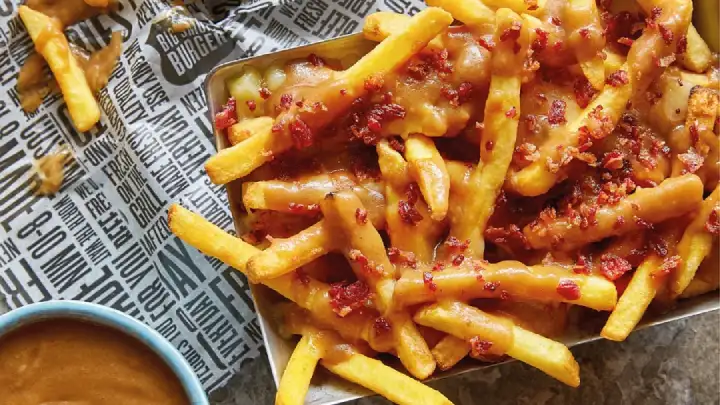
Table of Content
Traditional Canadian Poutine
Click here to see more portionsPoutine emerged from the rural diners and snack bars of 1950s Quebec, where it began as a humble combination of crispy fries, fresh cheese curds, and hot gravy poured straight from the kitchen. Several small-town Quebec restaurants claim to have invented it, and the debate over its true birthplace—often pinned to towns like Warwick or Drummondville—remains a point of good-natured provincial pride to this day. What's not disputed is the genius of the combination: hot, salty fries form the base, squeaky fresh cheese curds are scattered generously on top, and a rich, brown gravy is poured over everything while it's still steaming. The heat from the fries and gravy softens the curds just enough that they turn slightly gooey on the outside while staying firm and squeaky in the middle—that squeak against your teeth is the hallmark of properly fresh curds and the detail purists insist on getting right. For decades poutine was dismissed elsewhere in Canada as greasy diner food, but it has since become a genuine national icon, served everywhere from gas station counters to high-end Montreal restaurants that dress it up with duck confit or foie gras. At its core, though, poutine remains defiantly simple: three humble ingredients, layered with care, delivering the kind of textural contrast and comforting richness that has made it Quebec's most famous culinary export.
| Ingredient | Amount |
|---|---|
| For the Fries: | |
| Potatoes | 500g (russet or Yukon Gold, cut into 1cm batons) |
| Vegetable Oil | 30ml (for frying, plus more as needed for the double fry) |
| Salt | 5g (for seasoning the fries) |
| For the Gravy: | |
| Butter | 30g (unsalted) |
| All-purpose Flour | 30g (for the roux) |
| Beef or Chicken Stock | 500ml (warm, low-sodium preferred) |
| For Assembly: | |
| Cheese Curds | 200g (fresh white cheddar curds, room temperature) |
Instructions:
1. Cut and Soak the Potatoes:
Peel the potatoes and slice them into even batons about 1cm thick—uniform size is essential so every fry cooks at the same rate. Place the cut potatoes in a bowl of cold water and soak for at least 30 minutes, or up to a few hours in the refrigerator. This soaking step draws out excess surface starch, which is the secret to fries that turn out crisp rather than soggy or prone to sticking together in the fryer. After soaking, drain thoroughly and pat the potatoes completely dry with a clean kitchen towel—any residual water will cause dangerous oil splatter and prevent proper browning.
2. Blanch-Fry at Low Temperature:
Heat the vegetable oil in a deep pot or fryer to 130-140°C (270-285°F). Fry the potatoes in small batches for 5-7 minutes, until they are pale, soft, and just cooked through but not yet browned. This first fry cooks the interior of the potato gently, so the second fry can focus purely on building a crisp exterior. Remove the fries with a slotted spoon or spider and let them drain and cool on a wire rack or paper towels for at least 10 minutes—this resting period is what professional fry cooks rely on to achieve restaurant-quality texture.
3. Fry Again for Maximum Crispness:
Raise the oil temperature to 180-190°C (355-375°F). Return the cooled fries to the hot oil in batches and fry for 3-5 minutes, until deeply golden and audibly crisp when tapped. This second, hotter fry rapidly evaporates surface moisture and sets a crackling crust while the inside stays fluffy. Lift the fries out, drain briefly on fresh paper towels, and season immediately with salt while they're still hot—salt only adheres properly to hot, slightly oily surfaces, so don't wait until they've cooled.
4. Build the Roux:
In a saucepan, melt the butter over medium heat until it foams gently. Whisk in the flour and cook, stirring constantly, for 2-3 minutes until the mixture turns a light golden-tan color and smells faintly nutty—this is your roux, and cooking it properly removes the raw, pasty flavor that undercooked flour leaves behind. Be patient here; a roux that's rushed or burnt will make the entire gravy taste off, so keep the heat moderate and stir continuously.
5. Whisk in the Stock:
Gradually pour in the warm stock in a slow, steady stream while whisking constantly to prevent lumps from forming. Adding the liquid gradually, rather than all at once, allows the starch in the roux to hydrate evenly and produces a smooth, silky gravy rather than a clumpy one. Once all the stock is incorporated, bring the mixture to a gentle simmer.
6. Simmer the Gravy to Thicken:
Reduce the heat to low and let the gravy simmer gently for 8-10 minutes, stirring occasionally, until it thickens to a consistency that coats the back of a spoon and clings to the fries rather than running off them. Taste and adjust the seasoning with a little extra salt or black pepper if needed. Authentic Quebec poutine gravy is typically a blend of beef and chicken stock for a deeper, rounder flavor than either alone, though either stock used on its own still produces excellent results.
7. Bring the Cheese Curds to Room Temperature:
While the gravy simmers, remove the cheese curds from the refrigerator if you haven't already, since cold curds straight from the fridge won't soften properly when the hot fries and gravy hit them. Fresh curds should squeak audibly when you bite into them—this squeak is caused by intact protein strands that haven't yet broken down with age, and it's the single best indicator of quality. If your curds have lost their squeak after a day or two in the fridge, a brief 10-second zap in the microwave can sometimes revive it slightly, though truly fresh curds are always best.
8. Layer and Assemble Immediately:
Pile the hot, freshly fried potatoes onto a plate or shallow bowl. Scatter the cheese curds generously and evenly over the fries while everything is still hot—timing matters enormously here, since the curds need the residual heat of the fries to begin softening. Immediately ladle the hot gravy over the top, covering as much surface area as possible so every bite gets some gravy, some curd, and some fry.
9. Serve Without Delay:
Poutine waits for no one—serve it immediately while the fries are still crisp on the outside, the gravy is hot, and the curds have just begun to soften into that perfect melt-but-still-squeak texture. Letting it sit for more than a few minutes causes the fries to go soggy under the gravy's weight, so assemble each plate to order rather than building a big batch ahead of time. Provide extra napkins; this is happily messy food.
Kitchen Wisdom & Quebec Traditions:
- Curds Must Be Fresh: The squeak is non-negotiable in Quebec tradition. Buy cheese curds as close to the day you'll use them as possible, ideally from a local dairy or cheese shop rather than a vacuum-sealed bag that's been sitting for weeks.
- Double-Frying Is Essential: Skipping the two-stage fry produces limp, greasy fries that can't stand up to hot gravy. The low-then-high temperature method is the same trick used by Belgian frites makers and top fry cooks everywhere.
- Starchy Potatoes Win: Russets or other high-starch varieties fry up fluffier inside and crispier outside than waxy potatoes, which tend to stay dense and gummy.
- Gravy Should Be Thick but Pourable: If it's too thin, it slides off the fries and pools at the bottom of the plate. If it's too thick, it won't reach every fry. Aim for a consistency similar to heavy cream sauce.
- Mixed Stock Adds Depth: A combination of beef and chicken stock gives the gravy more complexity than either alone, echoing the blended stocks used in many Quebec diners.
- Don't Substitute Mozzarella: Shredded mozzarella melts completely and loses the textural contrast that defines poutine. True cheese curds hold their shape and squeak even under hot gravy.
- Plate, Don't Bowl, for Best Texture: A wide, shallow plate lets gravy and curds distribute over more surface area than a deep bowl, where fries at the bottom turn soggy.
- Build to Order: Restaurants that serve great poutine assemble each portion fresh rather than holding pre-made batches under a heat lamp—home cooks should do the same.
- Season the Fries Twice: Salt right after the second fry, then taste again after the gravy goes on, since the gravy itself usually carries its own seasoning.
- Gourmet Variations Are Welcome: Modern Quebec chefs add short rib, smoked meat, foie gras, or lobster to poutine, but the foundational trio of fries, curds, and gravy remains the standard against which all variations are judged.
Quebec Heritage & Comfort Food Culture
Poutine's exact origin is one of Quebec's most cherished culinary mysteries, with multiple small towns in the Centre-du-Québec region each claiming to be the birthplace sometime in the late 1950s. What's certain is that it began as casse-croûte fare—snack-bar food served at roadside diners catering to rural workers who wanted something hot, cheap, and filling. For much of the twentieth century, poutine carried a working-class, almost unrefined reputation, and it took decades before it crossed over into mainstream Canadian and then international acceptance. Its rise to national symbol status accelerated in the 1990s and 2000s, as Quebec chefs began reinterpreting it in upscale restaurants and as poutine shops opened across Canada and the United States. Today it appears on menus from fast-food chains to fine dining rooms, dressed up with everything from braised meats to truffle. Yet at festivals and family gatherings across Quebec, the classic version—simple, hot, and squeaky—remains the standard by which all others are measured, a dish that carries genuine regional pride and a uniquely Canadian identity built from nothing more than potatoes, cheese, and gravy.
Humble as its ingredients are, poutine rewards careful technique with a dish that's genuinely greater than the sum of its parts. Bon appétit!
Calculate Portions by Guest Count
Select the number of people you're serving to get precise measurements
Portions for
2 People
400 g total Poutine
Portions for
4 People
800 g total Poutine
Portions for
6 People
1200 g total Poutine
Portions for
8 People
1600 g total Poutine
Portions for
10 People
2000 g total Poutine
Portions for
12 People
2400 g total Poutine
Portions for
15 People
3000 g total Poutine
Portions for
20 People
4000 g total Poutine
Portions for
30 People
6000 g total Poutine
Portions for
50 People
10000 g total Poutine
Portions for
75 People
15000 g total Poutine
Portions for
100 People
20000 g total Poutine
Portions for
200 People
40000 g total Poutine
Quick Reference Guide
200g
Per Serving
800g
For 4 People
2000g
For 10 People
10kg
For 50 People
Related Categories
Pro Tips
- • Always prepare slightly more than calculated to account for hearty appetites
- • Consider the occasion: formal dinners typically require more precise portions
- • Account for side dishes when planning main course quantities
- • Store leftovers properly to minimize waste and extend freshness