Authentic Pad Thai Recipe
Experience the vibrant flavors of Thailand with this authentic Pad Thai recipe. A harmonious blend of stir-fried noodles, savory sauce, and fresh ingredients awaits!
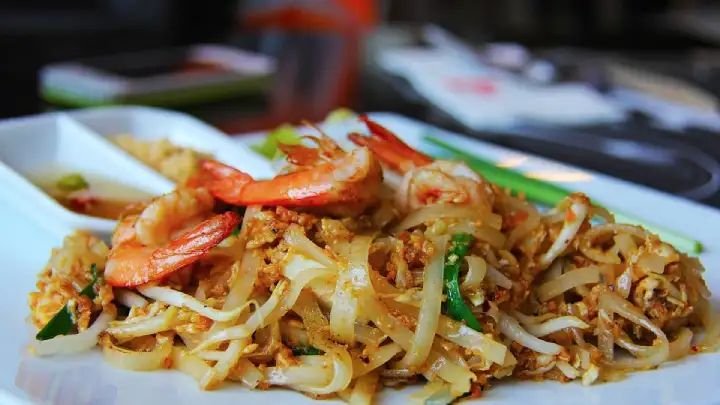
Table of Content
Authentic Thai Pad Thai
Click here to see more portionsPad Thai's history is shorter and more political than most people expect—it was actively promoted as a national dish in the 1930s and 1940s by Prime Minister Plaek Phibunsongkhram as part of a broader campaign to build Thai national identity, reduce reliance on imported rice, and increase noodle consumption during a period of nationalist economic reform. The government distributed recipes and encouraged street vendors to sell the dish, and it worked spectacularly: pad Thai became one of the most recognizable Thai dishes worldwide, despite being a relatively recent invention compared to many of the country's other culinary traditions, which trace back centuries. At its best, pad Thai is a careful balance of four fundamental flavors—sour from tamarind, salty from fish sauce, sweet from palm sugar, and a gentle heat from chili—all tossed together with chewy rice noodles, egg, and protein in a hot wok over high heat. The dish is fundamentally a stir-fry technique: everything happens fast, in sequence, over intense heat, which is why proper wok management and having every ingredient prepped before you start cooking matters more here than in almost any other style of cooking. Despite its ubiquity on Thai restaurant menus abroad, well-made pad Thai is surprisingly delicate—not greasy, not overly sweet, but bright, fragrant, and perfectly balanced between its four core flavors.
| Ingredient | Amount |
|---|---|
| For the Noodles & Protein: | |
| Rice Noodles | 200g (flat dried, soaked until pliable) |
| Shrimp or Tofu | 150g (peeled shrimp, or firm tofu cubed and pressed dry) |
| Eggs | 2 pieces (lightly beaten) |
| Garlic Cloves | 3 pieces (minced) |
| For the Sauce: | |
| Tamarind Paste | 30g (concentrated, diluted with a little warm water) |
| Fish Sauce | 30ml (good quality) |
| Sugar | 30g (palm sugar if available, or light brown sugar) |
Instructions:
1. Soak the Rice Noodles:
Soak the dried flat rice noodles in room-temperature or lukewarm water for 30-45 minutes, until they're pliable and bend without snapping but still have a firm, slightly undercooked bite. Avoid hot or boiling water, which oversoftens the noodles and turns them mushy and sticky once they hit the wok. Drain well and set aside; the noodles will finish cooking entirely in the wok, absorbing sauce as they go, so slightly underdone at this stage is exactly right.
2. Mix the Sauce:
In a small bowl, whisk together the tamarind paste, fish sauce, and sugar until the sugar dissolves and the mixture is smooth. Taste it—it should hit sour, salty, and sweet all at once, with no single note overpowering the others. This sauce is the flavor backbone of the entire dish, so adjust it now: more tamarind for sourness, more fish sauce for saltiness and umami depth, more sugar to round out sharp edges. Having it mixed and ready before you start cooking is essential, since the actual stir-frying happens too fast to measure ingredients on the fly.
3. Prep Everything Before Heating the Wok:
Mince the garlic, peel and devein the shrimp (or press and cube the tofu), and beat the eggs in a small bowl. Have the soaked noodles, sauce, and all proteins within arm's reach of the stove. Pad Thai is a high-heat, fast-moving dish, and there's no time to chop or measure once the wok is hot—proper mise en place is what separates a smooth, confident stir-fry from a chaotic, overcooked one.
4. Heat the Wok and Cook the Protein:
Heat a wok or large skillet over high heat until it's smoking hot, then add a tablespoon or two of oil and swirl to coat. Add the minced garlic and stir-fry for just a few seconds until fragrant but not browned, then add the shrimp (or tofu) and cook for 1-2 minutes, until the shrimp turn pink and opaque or the tofu develops light golden edges. Push the protein to one side of the wok.
5. Scramble the Egg:
Pour the beaten eggs into the cleared space in the wok and let them set for a few seconds before scrambling gently with your spatula, breaking them into small curds. Once mostly set but still slightly glossy, mix the egg together with the protein already in the wok. Keeping the heat high throughout prevents the eggs from turning rubbery or absorbing excess oil.
6. Add the Noodles and Sauce:
Add the drained, softened noodles directly to the wok along with the prepared sauce. Using tongs or two spatulas, toss and fold everything together continuously, lifting the noodles from the bottom of the wok so they cook evenly and absorb the sauce without sticking or clumping. This stage moves fast—the noodles should turn glossy and slightly translucent as they soak up the tamarind-fish sauce mixture, typically within 2-3 minutes.
7. Taste and Adjust the Balance:
Once the noodles are tender and evenly coated, taste a strand directly from the wok. The flavor should be a lively balance of sour, salty, and sweet, with the noodles fully cooked but still pleasantly chewy rather than mushy. If it tastes flat, a touch more fish sauce usually fixes it; if it's too sharp or sour, a pinch more sugar will round it out. Adjust in small increments, tossing well after each addition so the seasoning distributes evenly throughout the noodles rather than pooling at the bottom.
8. Finish with High Heat:
Give the noodles one final hard toss over the highest heat your stove can manage for 30-60 seconds—this last blast of heat helps any remaining moisture evaporate and gives the noodles slightly seared, lightly charred edges in places, a textural detail that distinguishes great pad Thai from merely good pad Thai. Turn off the heat as soon as everything looks glossy, hot, and well combined; overcooking at this stage will dry the noodles out.
9. Plate and Garnish:
Transfer the noodles immediately to serving plates while still hot, since pad Thai loses its best texture as it cools and sits. Traditional garnishes—crushed roasted peanuts, fresh bean sprouts, sliced scallions, and a wedge of lime for squeezing over the top—are typically added at the table rather than mixed in during cooking, letting each diner customize the crunch, freshness, and acidity to their own taste. Offer dried chili flakes and extra fish sauce alongside for those who want more heat or saltiness.
Kitchen Wisdom & Thai Wok Traditions:
- Prep Everything First: Pad Thai cooks in minutes once it hits the wok. Have every ingredient measured, chopped, and within reach before you turn on the heat.
- Undersoak, Don't Oversoak Noodles: Slightly firm noodles finish cooking in the wok and absorb sauce properly. Mushy pre-soaked noodles turn to paste once stir-fried.
- High Heat Is Non-Negotiable: A properly hot wok sears rather than steams the ingredients, which is what creates the dish's characteristic texture and faint smoky edge.
- Tamarind Brings the Sourness: Tamarind paste, not lime juice, is the traditional source of pad Thai's tang. Lime is added fresh at the table for brightness, not cooked into the sauce.
- Balance, Don't Maximize, Each Flavor: The goal isn't intense sourness or sweetness individually—it's harmony between sour, salty, and sweet working together.
- Don't Overcrowd the Wok: Cooking too large a batch at once drops the pan's temperature and causes steaming rather than searing. Cook in batches for larger quantities.
- Press Tofu If Using It: Pressing excess water out of tofu before cooking helps it brown properly instead of steaming soggy in the wok.
- Garnish at the Table: Peanuts, bean sprouts, and lime are traditionally added after plating so they stay fresh and crunchy rather than wilting in the hot noodles.
- Use a Well-Seasoned Wok: A properly seasoned carbon-steel wok distributes heat more evenly and prevents sticking far better than a nonstick pan.
- Serve Immediately: Like most stir-fries, pad Thai is at its absolute best moments after leaving the wok, while still hot and glossy.
Thai Heritage & National Identity
Pad Thai occupies a unique place in culinary history as a dish deliberately created and promoted by a government rather than evolving organically over centuries. In the late 1930s and early 1940s, Prime Minister Plaek Phibunsongkhram's nationalist government launched a campaign to strengthen Thai identity following the transition from absolute monarchy, and part of that campaign involved promoting a distinctly "Thai" noodle dish to reduce dependence on imported rice and unify culinary culture across the country. Street vendors were encouraged to sell the dish, recipes were distributed, and the name itself—"Pad Thai," literally "Thai stir-fry"—was chosen to reinforce national pride. The campaign succeeded beyond expectations: pad Thai became ubiquitous on Thailand's streets and, through the wave of Thai restaurants that opened internationally from the 1970s onward, one of the most recognized Thai dishes anywhere in the world. Its relatively recent, politically engineered origin doesn't make it any less authentically Thai today—it has been refined, regionalized, and perfected by generations of street vendors and home cooks since, becoming a genuine staple woven into everyday Thai life despite its unusual origin story.
Few dishes reward speed, preparation, and balance quite like pad Thai—master the technique and the flavors fall into place. Kin khao!
Calculate Portions by Guest Count
Select the number of people you're serving to get precise measurements
Portions for
2 People
400 g total Pad-thai
Portions for
4 People
800 g total Pad-thai
Portions for
6 People
1200 g total Pad-thai
Portions for
8 People
1600 g total Pad-thai
Portions for
10 People
2000 g total Pad-thai
Portions for
12 People
2400 g total Pad-thai
Portions for
15 People
3000 g total Pad-thai
Portions for
20 People
4000 g total Pad-thai
Portions for
30 People
6000 g total Pad-thai
Portions for
50 People
10000 g total Pad-thai
Portions for
75 People
15000 g total Pad-thai
Portions for
100 People
20000 g total Pad-thai
Portions for
200 People
40000 g total Pad-thai
Quick Reference Guide
200g
Per Serving
800g
For 4 People
2000g
For 10 People
10kg
For 50 People
Related Categories
Pro Tips
- • Always prepare slightly more than calculated to account for hearty appetites
- • Consider the occasion: formal dinners typically require more precise portions
- • Account for side dishes when planning main course quantities
- • Store leftovers properly to minimize waste and extend freshness