Authentic Pho Recipe
Savor the rich flavors of Vietnam with this authentic Pho recipe. A fragrant broth, tender noodles, and fresh herbs create a bowlful of delight!
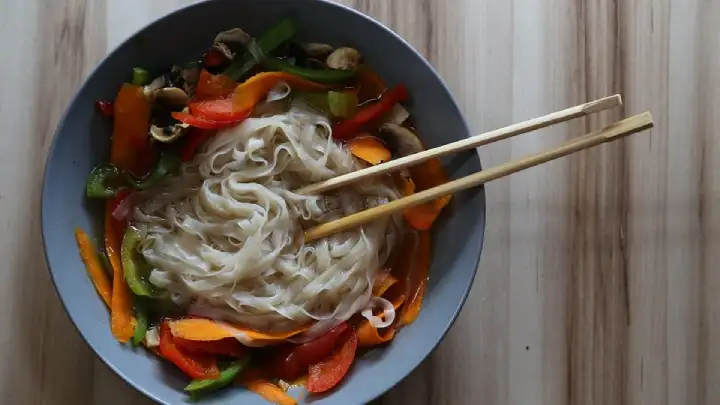
Table of Content
Traditional Vietnamese Pho
Click here to see more portionsPho is Vietnam's most famous culinary export, a bowl of clear, deeply aromatic beef broth poured over silky rice noodles and tender slices of beef, finished with a tangle of fresh herbs and lime. Believed to have originated in northern Vietnam around Hanoi in the late 19th or early 20th century, pho likely emerged from a fusion of Vietnamese rice noodle traditions and French colonial influence on beef consumption, with some food historians also pointing to Chinese noodle soup techniques as a contributing root. What distinguishes great pho from an ordinary noodle soup is the broth: it must simmer for hours, sometimes most of a day, extracting collagen and marrow from beef bones while warm spices like star anise, cinnamon, and cloves infuse it with a fragrance that's immediately recognizable and deeply comforting. The broth should be clear rather than cloudy, achieved through careful skimming and a gentle simmer rather than a rolling boil, and balanced precisely between savory, slightly sweet, and aromatic without any single element overpowering the rest. Pho traveled south with refugees during Vietnam's division in 1954, picking up sweeter, more herb-forward characteristics in Saigon, and it later spread worldwide with the Vietnamese diaspora following the Vietnam War, becoming one of the most beloved soups globally. Whether eaten for breakfast, as is traditional in Vietnam, or any time of day elsewhere, pho remains a dish of remarkable depth built from humble, patient technique.
| Ingredient | Amount |
|---|---|
| For the Broth: | |
| Beef Bones | 800g (marrow and knuckle bones, parboiled) |
| Onion | 1 piece (halved, charred) |
| Ginger | 30g (sliced, charred) |
| Star Anise | 3 pieces (whole, toasted) |
| Cinnamon Stick | 1 piece (about 8cm, toasted) |
| Cloves | 5 pieces (whole, toasted) |
| Fish Sauce | 50ml (good quality) |
| Soy Sauce | 30ml |
| Sugar | 20g (rock sugar preferred) |
| For the Bowl: | |
| Beef Brisket or Flank | 300g (thinly sliced) |
| Rice Noodles | 200g (dried flat banh pho noodles) |
| For Garnish: | |
| Bean Sprouts | 100g (fresh, rinsed) |
| Fresh Basil | 30g (Thai basil, leaves picked) |
Instructions:
1. Parboil the Bones for a Clear Broth:
Place the beef bones in a large pot and cover with cold water. Bring to a rolling boil over high heat and let them cook for about 10 minutes—this releases impurities and surface blood that would otherwise cloud your finished broth. Drain the bones and rinse them thoroughly under cold running water, scrubbing off any remaining scum or residue clinging to the surface. This often-skipped step is the single biggest factor in achieving the clear, clean broth that distinguishes great pho from murky imitations.
2. Char the Onion and Ginger:
Place the halved onion and sliced ginger directly over a gas flame, under a broiler, or in a dry hot skillet, turning occasionally until both develop deeply blackened, blistered patches, about 8-10 minutes. This charring step adds a subtle smokiness and caramelized sweetness to the broth that raw onion and ginger simply can't provide. Don't worry about the burnt appearance—it's intentional and will be strained out of the final broth, leaving behind only the flavor.
3. Toast the Whole Spices:
In a dry skillet over medium heat, toast the star anise, cinnamon stick, and cloves for 2-3 minutes, shaking the pan frequently, until they become fragrant and you can smell their warm, sweet aroma rising from the pan. Toasting whole spices before adding them to a broth or stock dramatically intensifies their flavor compared to adding them raw, releasing essential oils that would otherwise stay locked inside.
4. Simmer the Broth Low and Slow:
Return the parboiled bones to a clean large pot and cover with fresh cold water, about 3-4 liters. Add the charred onion and ginger along with the toasted spices. Bring to a boil, then immediately reduce the heat to the lowest possible simmer—just a few lazy bubbles breaking the surface. Cover partially and let it simmer for at least 4-6 hours, skimming any foam or fat that rises to the top every 30-45 minutes. A vigorous boil agitates the fat and proteins into the liquid, clouding the broth, while a gentle simmer slowly extracts flavor and collagen while keeping the broth clear.
5. Season and Strain:
Once the broth has developed a deep, complex aroma and rich golden-brown color, stir in the fish sauce, soy sauce, and sugar. Taste and adjust, keeping in mind the broth should taste slightly salty on its own since the noodles and other components will dilute it once assembled. Strain the broth through a fine-mesh sieve into a clean pot, discarding the bones, spent spices, and aromatics, leaving behind only the clear, fragrant liquid.
6. Prepare the Beef and Noodles:
While the broth finishes, slice the beef brisket or flank as thinly as possible against the grain—partially freezing the meat for 20-30 minutes beforehand makes this much easier. Thin slices of raw or partially cooked beef will cook through almost instantly when hot broth is poured over them. Meanwhile, cook the dried rice noodles according to the package instructions, usually a brief soak in hot water followed by a quick boil, then drain and rinse under cold water to stop them from overcooking and turning mushy.
7. Bring the Broth Back to a Boil:
Return the strained broth to the stove and bring it to a rolling boil just before serving—pho must be served scorching hot, both for proper texture and because the heat of the broth is what gently cooks the thinly sliced raw beef once it's poured into the bowl. This final boil also revives the aromatics one last time, ensuring the broth's fragrance hits you the moment the bowl arrives at the table.
8. Assemble the Bowls:
Divide the cooked rice noodles among large serving bowls. Arrange a few slices of raw beef on top of the noodles in each bowl. Ladle the boiling hot broth directly over the beef and noodles, which will instantly blanch the thin beef slices to a tender, rosy medium-rare as you watch. Work quickly so each bowl receives broth at its peak temperature.
9. Garnish and Serve Immediately:
Top each bowl with a generous handful of fresh bean sprouts and Thai basil leaves. Serve immediately with lime wedges, fresh chili slices, and extra fish sauce or hoisin sauce on the side so each person can customize their bowl to taste. Pho is meant to be eaten hot and fresh the moment it's assembled, with diners adding their own herbs and condiments right at the table.
Kitchen Wisdom & Vietnamese Noodle Soup Traditions:
- Parboiling is Non-Negotiable: Skipping the initial parboil and rinse of the bones is the most common reason home pho turns out cloudy and muddy-tasting instead of clear and clean.
- Low and Slow Wins: A rolling boil agitates fat into the broth and clouds it. The gentlest possible simmer over many hours produces the clearest, most flavorful results.
- Char for Depth: Charring the onion and ginger before simmering adds a layer of smoky sweetness that raw aromatics can't replicate.
- Toast Whole Spices First: A quick dry toast wakes up the essential oils in star anise, cinnamon, and cloves before they go into the pot.
- Slice the Beef Thin: Partially freezing the meat before slicing makes paper-thin cuts far easier and ensures the beef cooks through almost instantly in hot broth.
- Serve Scalding Hot: The broth's heat is what cooks raw beef slices in the bowl. A lukewarm broth leaves the meat undercooked and the dish underwhelming.
- Rock Sugar Over White Sugar: Traditional cooks favor Asian rock sugar for a cleaner, less cloying sweetness, though regular sugar works in a pinch.
- Rinse Noodles After Cooking: A quick cold rinse stops rice noodles from continuing to cook and turning gummy before they hit the hot broth.
- Customize at the Table: Lime, chili, herbs, and condiments belong on the side, not pre-mixed into the broth, so each diner can adjust to their own taste.
- Make the Broth Ahead: Pho broth freezes well for up to three months, making it practical to batch-cook the most time-consuming part in advance.
Vietnamese Heritage & Pho Culture
Pho emerged in northern Vietnam in the late 19th or early 20th century, in and around Hanoi, during a period of significant French colonial influence that introduced beef as a more commonly consumed meat in a region where water buffalo and pork had previously dominated. Food historians believe pho likely developed from a blend of Vietnamese rice noodle dishes, French pot-au-feu beef stew techniques, and Chinese noodle soup traditions carried by Cantonese immigrant communities, making it a genuine product of cultural exchange. When Vietnam was divided in 1954, pho traveled south to Saigon with refugees, where it evolved a sweeter, herb-heavy profile distinct from the more austere, purist northern style that favors a cleaner broth with fewer garnishes. After the Vietnam War, the Vietnamese diaspora carried pho across the globe, and it has since become one of the most recognized and beloved soups internationally, while remaining, at its heart, a beloved breakfast food in Vietnam itself, eaten at streetside stalls before the workday even begins. Pho today represents both deep national pride and a living, evolving tradition still shaped by regional taste and family technique.
A great bowl of pho rewards hours of patient simmering with a broth that tastes like nothing else in the world. Chúc ngon miệng!
Calculate Portions by Guest Count
Select the number of people you're serving to get precise measurements
Portions for
2 People
400 g total Pho
Portions for
4 People
800 g total Pho
Portions for
6 People
1200 g total Pho
Portions for
8 People
1600 g total Pho
Portions for
10 People
2000 g total Pho
Portions for
12 People
2400 g total Pho
Portions for
15 People
3000 g total Pho
Portions for
20 People
4000 g total Pho
Portions for
30 People
6000 g total Pho
Portions for
50 People
10000 g total Pho
Portions for
75 People
15000 g total Pho
Portions for
100 People
20000 g total Pho
Portions for
200 People
40000 g total Pho
Quick Reference Guide
200g
Per Serving
800g
For 4 People
2000g
For 10 People
10kg
For 50 People
Related Categories
Pro Tips
- • Always prepare slightly more than calculated to account for hearty appetites
- • Consider the occasion: formal dinners typically require more precise portions
- • Account for side dishes when planning main course quantities
- • Store leftovers properly to minimize waste and extend freshness