Hearty Hungarian Goulash: Authentic Recipe
Explore the flavors of Hungary with a homemade, flavorful Goulash. Learn the traditional method to cook this hearty dish from scratch!
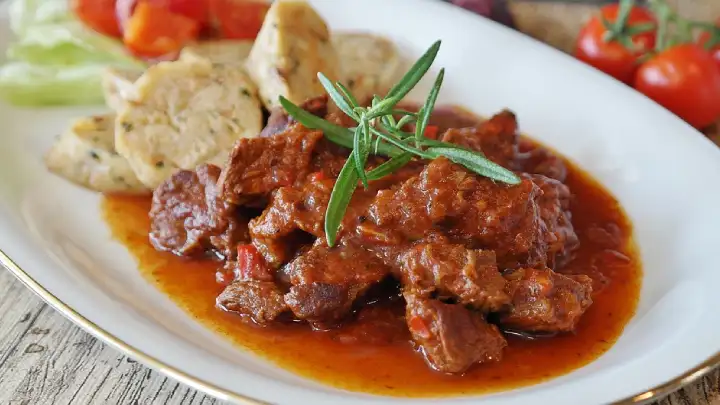
Table of Content
Traditional Hungarian Goulash
Click here to see more portionsGoulash, known in Hungarian as gulyás, traces its roots to the cattle-herding traditions of the Hungarian Great Plain, where shepherds and cattlemen cooked meat slowly over open fires in heavy kettles called bogrács during long days tending livestock on the puszta grasslands. The name itself derives from "gulyás," meaning herdsman, a direct nod to the dish's origins as practical, sustaining trail food rather than a refined restaurant dish. What transformed goulash from a simple meat-and-onion stew into the dish recognized worldwide today was the arrival of paprika, introduced to Hungary through Ottoman and Balkan trade routes and embraced so thoroughly that it became the country's defining spice by the eighteenth and nineteenth centuries. True Hungarian goulash is built on a foundation of slowly caramelized onions and copious sweet paprika, simmered with beef and vegetables until the meat turns fork-tender and the broth thickens into something between a soup and a stew. It's worth noting that what many countries outside Hungary call "goulash"—a thick, dense stew closer to what Hungarians would call pörkölt—differs from the soupier, more brothy original, which is traditionally eaten with a spoon rather than a fork. Made properly, goulash rewards patience: long, slow cooking allows the paprika to bloom fully and the tough cuts of beef to become irresistibly tender, producing a dish that's as warming and satisfying today as it was for herders on the plains centuries ago.
| Ingredient | Amount |
|---|---|
| For the Base: | |
| Beef (Stew Meat) | 250g (chuck or shin, cut into 2-3cm cubes) |
| Onion | 100g (finely diced) |
| Garlic | 2 cloves (minced) |
| Paprika | 20g (sweet Hungarian paprika, the defining spice) |
| For the Vegetables: | |
| Red Bell Pepper | 150g (cored, diced) |
| Tomato | 200g (ripe, diced, or canned crushed tomato) |
| Carrots | 100g (peeled, sliced into rounds) |
| Potatoes | 200g (peeled, cut into 2cm cubes) |
| For the Broth: | |
| Beef Broth | 500ml (or water, plus more as needed during simmering) |
Instructions:
1. Cut the Beef Evenly:
Cut the beef into roughly 2-3cm cubes, trimming away any large pieces of excess fat or connective tissue but leaving some marbling intact, since that fat renders slowly during the long simmer and adds flavor and richness. Chuck or shin are ideal cuts for goulash because their connective tissue breaks down into gelatin over hours of slow cooking, producing meat that's tender and a broth with natural body. Pat the cubes dry with paper towels before cooking, since a dry surface browns far more effectively than a wet one.
2. Caramelize the Onions Slowly:
Heat a generous amount of oil or lard in a heavy pot or Dutch oven over medium heat. Add the finely diced onions and cook slowly, stirring occasionally, for 10-15 minutes until they turn deeply golden and sweet, almost jam-like in texture. This slow caramelization is one of the most important steps in authentic goulash—rushing the onions with high heat produces a harsher, less complex base flavor, while patient, low-and-slow cooking builds the sweetness that underlies the entire dish.
3. Brown the Beef in Batches:
Push the onions to one side or remove them temporarily, then add the beef cubes to the pot in batches, making sure not to overcrowd the pan. Brown the meat on all sides for several minutes per batch, developing a deep crust through the Maillard reaction before moving on to the next batch. Overcrowding the pot causes the meat to steam rather than sear, missing out on the flavorful browning that gives goulash its depth. Set the browned beef aside with the onions once all batches are done.
4. Bloom the Paprika Off the Heat:
Return the pot to low heat, add the minced garlic, and stir briefly until fragrant. Remove the pot from the heat entirely before adding the paprika, stirring it into the residual fat and onions—paprika scorches easily and turns bitter if added directly to high heat, so this off-heat blooming step protects its sweet, vibrant flavor and deep red color. Stir constantly for about 30 seconds before returning the pot to low heat.
5. Reunite the Beef and Build the Stew:
Return the browned beef to the pot along with the diced tomatoes and bell pepper, stirring everything together so the meat and vegetables are coated evenly in the paprika-onion base. Pour in the beef broth, making sure the liquid mostly covers the meat—add a little water if needed. Bring the mixture to a gentle boil, then immediately reduce the heat to a low simmer.
6. Simmer Slowly Until Tender:
Cover the pot and let the goulash simmer gently for 1.5-2 hours, checking occasionally to make sure the liquid level stays adequate and adding a splash more broth or water if it reduces too much. The beef should become fork-tender, easily pulled apart, but not falling into shreds. This long, unhurried simmer is what breaks down the connective tissue in the meat and allows the paprika and aromatics to fully infuse the broth—there's no shortcut to this stage.
7. Add the Potatoes and Carrots:
Once the beef is tender, add the cubed potatoes and sliced carrots to the pot. Continue simmering, uncovered or partially covered, for another 25-30 minutes, until the vegetables are completely tender but still hold their shape rather than disintegrating. Adding them later in the cooking process, rather than at the start, prevents them from turning mushy during the long beef-tenderizing simmer.
8. Adjust Seasoning and Consistency:
Taste the goulash and adjust with salt and additional paprika if the flavor needs more depth. If the broth seems too thin, simmer uncovered for a few more minutes to reduce and concentrate it; if it's too thick, add a little more broth or water. Authentic Hungarian goulash should be soupy enough to eat with a spoon—noticeably thinner than the dense, gravy-like stew that "goulash" often refers to outside Hungary—so resist the urge to thicken it with flour or cornstarch.
9. Rest Briefly and Serve:
Let the goulash sit off the heat for 5-10 minutes before serving, which allows the flavors to settle and gives the broth a chance to come together fully. Serve hot in deep bowls, traditionally with fresh crusty bread for dipping, though Hungarian csipetke (small hand-pinched egg noodles) are another classic accompaniment. Like many slow-simmered stews, goulash often tastes even better the next day once the flavors have had time to meld overnight in the refrigerator.
Kitchen Wisdom & Hungarian Cooking Traditions:
- Use Genuine Hungarian Paprika: Hungarian sweet paprika has a deeper, more complex flavor than generic paprika found in many supermarkets, and it's worth seeking out for an authentic result.
- Bloom Paprika Off the Heat: Adding paprika directly to a hot pan scorches it and turns the flavor bitter. Always pull the pot off the heat for a few seconds before stirring it in.
- Don't Rush the Onions: Slow caramelization builds sweetness that forms the backbone of the dish. High heat shortcuts produce a harsher, less rounded flavor.
- Choose Tough, Collagen-Rich Cuts: Chuck, shin, or shoulder cuts break down beautifully over a long simmer, turning tender while enriching the broth naturally.
- Brown in Batches: Crowding the pot when searing meat causes steaming instead of browning, losing out on flavor-building caramelization.
- Goulash Should Be Soupy: True Hungarian gulyás is thinner and more brothy than the thick stew many countries call "goulash." Don't over-thicken it.
- Add Root Vegetables Later: Potatoes and carrots go in only after the beef is already tender, preventing them from overcooking into mush during the long meat simmer.
- Low and Slow Wins: There's no substitute for time when tenderizing tougher cuts of beef—rushing with high heat results in tough, chewy meat regardless of other technique.
- Csipetke Are Traditional: These small, hand-pinched egg noodles are a classic Hungarian addition, distinct from the potatoes also found in the stew.
- It Improves Overnight: Like most slow-cooked stews, goulash's flavors deepen and meld further after a night in the refrigerator, making it an excellent make-ahead dish.
Hungarian Heritage & Puszta Culture
Goulash's history is deeply tied to the vast grasslands of the Hungarian puszta, where cattle herders spent long stretches tending livestock far from home and needed food that could be cooked over open fires in large kettles and would keep people fed through demanding physical labor. These herdsmen, called gulyás, gave the dish its name, and their simple method—meat, onions, and whatever was on hand, simmered slowly in a bogrács kettle—became the foundation for what would later evolve into Hungary's national dish. The pivotal transformation came with the introduction of paprika, brought to Hungary through Ottoman trade and Balkan influence, which by the eighteenth and nineteenth centuries had become so central to Hungarian cooking that it's now considered the country's signature spice, used more in Hungarian kitchens than in almost any other cuisine in the world. Goulash eventually moved from herders' campfires into Hungarian homes and restaurants, and from there spread across Central Europe and beyond, picking up regional variations along the way—Austrian, German, and American versions often differ substantially from the brothier Hungarian original. Still, in Hungary itself, goulash remains a point of culinary pride and identity, a dish that connects modern kitchens directly to the herding traditions of the Great Plain.
Goulash asks for little more than patience and good paprika, rewarding both with a bowl of deeply comforting, time-honored Hungarian cooking. Jó étvágyat!
Calculate Portions by Guest Count
Select the number of people you're serving to get precise measurements
Portions for
2 People
600 g total Goulash
Portions for
4 People
1200 g total Goulash
Portions for
6 People
1800 g total Goulash
Portions for
8 People
2400 g total Goulash
Portions for
10 People
3000 g total Goulash
Portions for
12 People
3600 g total Goulash
Portions for
15 People
4500 g total Goulash
Portions for
20 People
6000 g total Goulash
Portions for
30 People
9000 g total Goulash
Portions for
50 People
15000 g total Goulash
Portions for
75 People
22500 g total Goulash
Portions for
100 People
30000 g total Goulash
Portions for
200 People
60000 g total Goulash
Quick Reference Guide
300g
Per Serving
1200g
For 4 People
3000g
For 10 People
15kg
For 50 People
Related Categories
Pro Tips
- • Always prepare slightly more than calculated to account for hearty appetites
- • Consider the occasion: formal dinners typically require more precise portions
- • Account for side dishes when planning main course quantities
- • Store leftovers properly to minimize waste and extend freshness