Classic Ratatouille Recipe
Discover the essence of French culinary tradition with this classic Ratatouille recipe. Layers of vibrant vegetables, aromatic herbs, and rich tomato sauce blend into a delightful dish that captures the flavors of Provence.
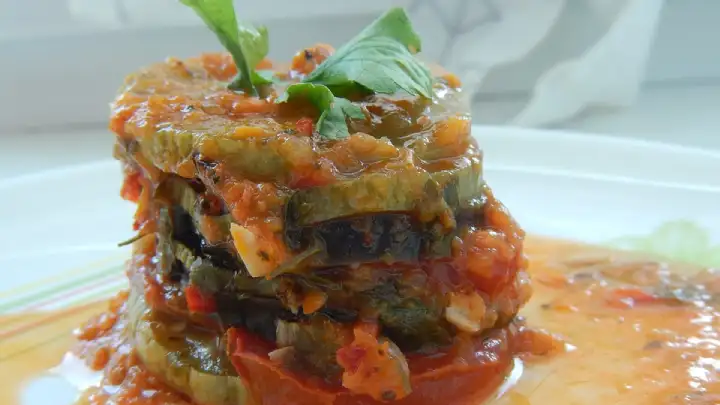
Table of Content
Traditional Provençal Ratatouille
Click here to see more portionsRatatouille is the vegetable garden of Provence distilled into a single dish—eggplant, zucchini, bell peppers, and tomatoes, each cooked separately to preserve their distinct character before being united in a fragrant, herb-scented stew. The name comes from the Occitan "ratatolha," related to the French verb "touiller," meaning to stir or toss roughly together—an apt description of a dish born from rustic necessity rather than refinement. Ratatouille originated as peasant food around Nice in the 18th century, a way for farmers to use the abundance of late-summer vegetables before they spoiled, and it carries that frugal, make-the-most-of-what-you-have spirit to this day. The defining technique, and the one most home cooks skip at their peril, is cooking each vegetable separately before combining them. Eggplant, zucchini, and peppers each release different amounts of water and cook at different rates; sautéing them in their own batches lets each one develop real flavor through browning rather than turning into a single watery, mushy mass. The tomatoes, garlic, and herbs then form a fragrant base that ties everything together without erasing the identity of any single vegetable. Done properly, ratatouille has a beautiful contrast of textures—tender but distinct pieces of vegetable suspended in a rich, herb-perfumed tomato sauce—and tastes even better the next day, once the flavors have had time to settle and deepen.
| Ingredient | Amount |
|---|---|
| For the Vegetables: | |
| Eggplant | 300g (cut into 2cm cubes) |
| Zucchini | 300g (cut into 2cm cubes) |
| Bell Peppers | 2 pieces (red and yellow, diced) |
| Onion | 1 piece (finely diced) |
| Garlic Cloves | 3 pieces (minced) |
| Tomatoes | 4 pieces (diced, ripe) |
| For Seasoning: | |
| Tomato Paste | 50g (concentrated) |
| Fresh Thyme | 10g (or a bouquet of herbes de Provence) |
| Fresh Basil | 15g (torn, added at the end) |
| Olive Oil | 60ml (divided for sautéing) |
Instructions:
1. Salt and Rest the Eggplant:
Cut the eggplant into 2cm cubes and toss with a generous pinch of salt, then let it sit in a colander for 20-30 minutes. This draws out excess moisture and any bitterness, and it means the eggplant will brown rather than steam when it hits the pan. Pat the cubes dry with a clean towel before cooking—any remaining surface water will prevent good browning.
2. Sauté the Eggplant Separately:
Heat 20ml of olive oil in a large skillet over medium-high heat. Add the eggplant in a single layer (working in batches if necessary to avoid crowding) and cook for 8-10 minutes, turning occasionally, until golden brown on multiple sides and tender. Eggplant absorbs oil readily, so don't be afraid to add a touch more if the pan looks dry. Transfer to a large bowl once done.
3. Sauté the Zucchini Separately:
In the same skillet, add a little more oil if needed and cook the zucchini cubes over medium-high heat for 5-7 minutes until lightly golden but still holding their shape—zucchini cooks faster than eggplant and turns mushy quickly if overdone. Transfer to the bowl with the eggplant.
4. Sauté the Peppers Separately:
Add the diced bell peppers to the skillet and cook for 5-6 minutes until they soften and the edges begin to char slightly, which adds a subtle sweetness. Peppers hold their shape well, so don't worry about overcooking them at this stage. Add them to the bowl with the other sautéed vegetables.
5. Build the Tomato Base:
Add the remaining olive oil to the skillet and cook the diced onion over medium heat for 5-6 minutes until soft and translucent. Add the minced garlic and cook for another minute until fragrant, being careful not to let it brown. Stir in the diced fresh tomatoes and tomato paste, cooking for 8-10 minutes until the tomatoes break down into a thick, fragrant sauce.
6. Combine Everything:
Return the sautéed eggplant, zucchini, and peppers to the skillet with the tomato base. Add the fresh thyme (or herbes de Provence) and gently fold everything together so each vegetable gets coated in the sauce without breaking apart.
7. Simmer to Meld the Flavors:
Reduce the heat to low, cover, and simmer gently for 15-20 minutes, stirring occasionally. This step lets the vegetables finish softening and allows the tomato sauce to absorb the flavors of everything that's cooked into it, while still keeping each piece distinct rather than collapsing into a purée.
8. Season and Rest:
Remove from heat, taste, and adjust salt and pepper as needed. Stir in most of the torn fresh basil, reserving a little for garnish. Like many stews, ratatouille actually improves after resting for 15-20 minutes off the heat, or even better, after a night in the refrigerator—the flavors continue to deepen and round out.
9. Serve:
Serve warm or at room temperature, scattered with the remaining basil and a final drizzle of good olive oil. Ratatouille is wonderfully versatile—enjoy it as a side to grilled meat or fish, spoon it over crusty bread or rice, fold it into an omelet, or eat it on its own as a light vegetarian main.
Provençal Kitchen Wisdom & Ratatouille Traditions:
- Separate Cooking Is Non-Negotiable: Sautéing each vegetable on its own is the single most important technique. Skip it and you get a watery, one-note mush instead of a dish with texture and depth.
- Salt the Eggplant First: Salting and draining removes bitterness and excess water, letting the eggplant actually brown instead of steam.
- Use Ripe, In-Season Tomatoes: Ratatouille is a summer dish built around peak-season vegetables. Out-of-season tomatoes make a noticeably blander sauce.
- Don't Overcrowd the Pan: Cooking vegetables in batches rather than all at once ensures browning instead of steaming.
- Herbes de Provence Are Traditional: A mix of thyme, rosemary, oregano, and savory captures the flavor of the region if you can't find fresh thyme.
- It's Better the Next Day: Like many braises and stews, ratatouille's flavors meld and deepen overnight—make it a day ahead if you can.
- Basil Goes In Last: Adding fresh basil at the end, off the heat, preserves its bright aroma instead of dulling it into a muddy green.
- Serve It Many Ways: Ratatouille works hot, cold, or room temperature, and pairs equally well with meat, fish, eggs, or crusty bread.
- Cut Vegetables Uniformly: Consistent 2cm cubes ensure everything cooks at a similar rate within each batch.
- Don't Confuse It With the Tian: The neatly layered, thinly-sliced version popularized by the film "Ratatouille" is actually a different dish—confit byaldi. Traditional ratatouille is a rustic stew, not a layered bake.
Provençal Heritage & the Spirit of Niçoise Cooking
Ratatouille hails from Nice and the surrounding Provençal countryside, where the Mediterranean climate produces an abundance of eggplant, zucchini, peppers, and tomatoes through the long summer months. Like much of Provençal cuisine, it reflects a philosophy of cooking built around what the land provides rather than what a recipe demands—farmers and laborers needed a way to use vegetables at their peak before they spoiled, and ratatouille was the practical, delicious answer. Olive oil, garlic, and herbs—the backbone of the dish—are themselves emblematic of the broader Mediterranean diet that defines southern French cooking, in contrast to the butter- and cream-based cuisine of northern France. Ratatouille's reputation expanded well beyond Provence in the 20th century as French regional cooking gained wider recognition, and it found new global fame after the 2007 animated film of the same name introduced millions of people to the idea (if not the precise technique) of vegetables cooked with care and pride. At its heart, though, ratatouille remains exactly what it always was: an honest vegetable stew that turns a humble harvest into something genuinely delicious.
Ratatouille proves that good cooking is often about restraint and patience rather than complexity—treat each vegetable with care, and the dish takes care of the rest. Bon appétit!
Calculate Portions by Guest Count
Select the number of people you're serving to get precise measurements
Portions for
2 People
400 g total Ratatouille
Portions for
4 People
800 g total Ratatouille
Portions for
6 People
1200 g total Ratatouille
Portions for
8 People
1600 g total Ratatouille
Portions for
10 People
2000 g total Ratatouille
Portions for
12 People
2400 g total Ratatouille
Portions for
15 People
3000 g total Ratatouille
Portions for
20 People
4000 g total Ratatouille
Portions for
30 People
6000 g total Ratatouille
Portions for
50 People
10000 g total Ratatouille
Portions for
75 People
15000 g total Ratatouille
Portions for
100 People
20000 g total Ratatouille
Portions for
200 People
40000 g total Ratatouille
Quick Reference Guide
200g
Per Serving
800g
For 4 People
2000g
For 10 People
10kg
For 50 People
Related Categories
Pro Tips
- • Always prepare slightly more than calculated to account for hearty appetites
- • Consider the occasion: formal dinners typically require more precise portions
- • Account for side dishes when planning main course quantities
- • Store leftovers properly to minimize waste and extend freshness