Ceviche Servings: Peruvian Citrus-Cured Fish
Calculate perfect portions of authentic Peruvian Ceviche. Master the art of citrus-cured fish with aji amarillo, red onion, and sweet potato!
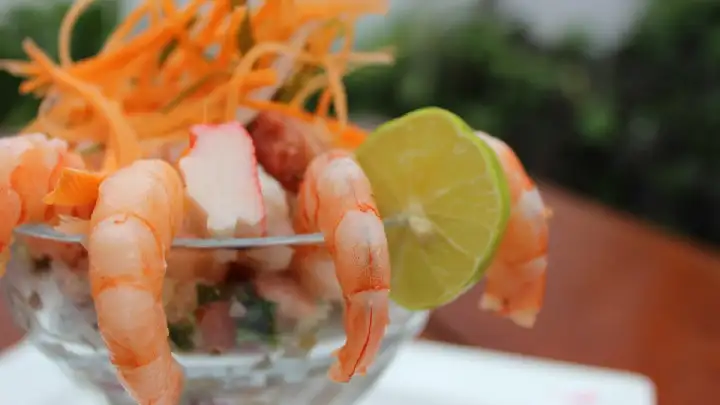
Table of Content
Traditional Peruvian Ceviche
Click here to see more portionsCeviche is Peru's national dish—a bracingly fresh preparation of raw fish "cooked" not by heat but by the acid in freshly squeezed lime juice, a technique with roots stretching back over two thousand years to the Moche civilization, who marinated fish in the fermented juice of the local tumbo fruit. Centuries later, Spanish colonization brought citrus fruits and onions to Peru, and the dish evolved into the lime-bright, onion-laced version eaten today. The transformation that occurs when raw fish meets acidic lime juice is genuinely chemical: the citric acid denatures the proteins in the fish flesh, causing it to firm up, turn opaque, and take on a texture similar to cooked fish, all while preserving a clean, delicate flavor that actual cooking would destroy. What sets Peruvian ceviche apart from its many Latin American cousins is the supporting cast: fiery aji amarillo chile paste for fruity heat, paper-thin red onion for sharp crunch, fresh cilantro for brightness, and the classic accompaniments of choclo (large-kerneled Peruvian corn) and sweet potato, whose starchy sweetness is the traditional foil to the dish's citrus acidity. The leftover marinating liquid, affectionately called "leche de tigre" or tiger's milk, is so prized that many Peruvians drink it straight from the bowl as a restorative, believed by some to cure hangovers. Eaten chilled, ideally within minutes of being made, ceviche embodies coastal Peru's relationship with the Pacific—simple, immediate, and entirely dependent on the freshest fish available that morning.
| Ingredient | Amount |
|---|---|
| For the Ceviche: | |
| White Fish (Sea Bass or Halibut) | 500g (sushi-grade, very fresh, cut into 1.5cm cubes) |
| Limes | 8 units (juiced fresh, about 250ml juice) |
| Red Onion | 100g (sliced paper-thin, rinsed) |
| Cilantro | 50g (leaves, some chopped, some whole for garnish) |
| Aji Amarillo Paste | 30g (Peruvian yellow chile paste, to taste) |
| For Serving: | |
| Corn | 200g (choclo or regular corn, boiled, kernels or cobs) |
| Sweet Potato | 200g (boiled, sliced into rounds) |
Instructions:
1. Select and Prepare the Fish:
Ceviche lives or dies on the quality of its fish, so buy the freshest, sushi-grade white fish you can find—sea bass, halibut, flounder, or corvina (the traditional Peruvian choice) all work beautifully. Ask your fishmonger specifically for fish intended to be eaten raw, and use it the same day you buy it. Pat the fillets completely dry with paper towels, then use a sharp knife to cut the fish into uniform 1.5cm cubes, removing any skin, bones, or dark bloodline as you go. Keep the cut fish refrigerated until the moment you're ready to marinate it—warm fish marinates unevenly and can develop an unpleasant texture.
2. Prepare the Aromatics:
Slice the red onion as thinly as possible, ideally with a mandoline or very sharp knife—thick onion slices will overpower the dish and lack the delicate crunch ceviche demands. Place the sliced onion in a bowl of ice water for 10 minutes to mellow its sharpness and crisp it up, then drain well. Roughly chop about half the cilantro leaves for mixing into the ceviche, and reserve whole sprigs for garnishing the finished plate. Juice the limes just before you need them—lime juice loses its bright punch quickly once squeezed, and pre-juiced bottled lime juice will not deliver the same clean acidity.
3. Make the Tiger's Milk Base:
In a mixing bowl, whisk together the fresh lime juice and aji amarillo paste until well combined—this seasoned citrus mixture is the leche de tigre, the flavor backbone of the entire dish. Taste it: it should be assertively sour and have a gentle, fruity heat from the chile paste, not face-meltingly spicy. Add salt to taste at this stage; the marinade needs to be well-seasoned because it will season the fish as it cures. Some cooks add a splash of fish stock or a few ice cubes to the marinade for extra depth and to keep everything cold during the curing process.
4. Cure the Fish:
Add the cubed fish to the lime juice mixture and stir gently to ensure every piece is coated. Let it marinate at room temperature for just 10-15 minutes—Peruvian-style ceviche is cured briefly, leaving the center of each cube slightly translucent, unlike Mexican-style ceviche which often marinates for hours until fully opaque throughout. Watch the fish closely: it should turn from translucent pink-grey to a firmer, opaque white at the edges while the very center stays a touch softer. Over-marinating will toughen the fish into a rubbery texture, so don't walk away and forget about it.
5. Add the Onion and Herbs:
Once the fish has cured to your liking, fold in the drained, mellowed red onion and the chopped cilantro. Toss gently but thoroughly so the onion and herbs distribute evenly through the fish without breaking up the delicate cubes. Taste the mixture now and adjust: more lime juice for extra brightness, more aji amarillo for heat, more salt if it tastes flat. The balance you're chasing is bracingly sour, lightly spicy, and clean—never muddy or overly diluted.
6. Boil the Corn and Sweet Potato:
While the fish cures, bring a pot of salted water to a boil and cook the corn until tender, about 15-20 minutes if using cobs or 5-7 minutes for loose kernels. In a separate pot, boil the sweet potato whole or in large chunks until just fork-tender, 20-25 minutes depending on size, then peel and slice into rounds once cool enough to handle. Both should be prepared ahead of time and served at room temperature or slightly warm—their starchy sweetness is meant to provide a textural and flavor contrast to the cold, acidic fish, so they're traditionally not served piping hot.
7. Check the Final Seasoning:
Just before plating, give the ceviche one final taste. The marinade should taste vibrant and well-balanced—if it tastes thin or watery, the fish may have released too much liquid; you can drain a little of the excess and add a touch more fresh lime juice and salt to restore the punch. If you prefer your tiger's milk extra spicy, this is the moment to stir in a touch more aji amarillo paste. Remember that ceviche only gets more diluted the longer it sits, so timing your final seasoning check close to serving time matters.
8. Plate with Peruvian Presentation:
Spoon the ceviche, including plenty of its citrusy marinade, into chilled shallow bowls or plates—a wide, shallow vessel shows off the dish and keeps the fish from sitting in a deep pool of liquid. Arrange a few rounds of boiled sweet potato and a portion of corn alongside the fish, the traditional plate companions. Garnish with whole cilantro sprigs and a few extra slices of red onion for visual appeal. Some cooks also add toasted corn kernels (cancha) for crunch, or a few slices of avocado for richness, though these are optional additions rather than core to the traditional recipe.
9. Serve Immediately:
Ceviche is meant to be eaten right away, ideally within 15-20 minutes of being plated—this is not a dish to make ahead and let sit. Serve it well chilled alongside the leftover leche de tigre, which many Peruvians drink directly from a small glass as a tangy, spicy chaser. Pair with cold beer or a glass of chicha morada, the purple corn drink popular along the Peruvian coast. If you have leftover marinade, save it; it makes an excellent base for a quick second batch or can simply be sipped on its own.
Kitchen Wisdom & Peruvian Ceviche Traditions:
- Freshness Is Non-Negotiable: Because the fish is never cooked with heat, only the freshest, highest-quality fish should ever go into ceviche. When in doubt, don't risk it.
- Cut Sizes Matter: Smaller cubes cure faster and more evenly than large chunks. Aim for uniform 1.5cm pieces so every bite has the same texture.
- Don't Over-Marinate: Peruvian ceviche is meant to retain a slightly translucent center. Long marinating times turn the fish tough and rubbery rather than tender.
- Mellow Your Onions: A quick ice-water soak takes the harsh bite out of raw red onion without dulling its crunch or color.
- Aji Amarillo Is Key: This bright yellow Peruvian chile paste delivers fruity heat that's distinct from other hot sauces. Look for it in Latin markets or online; it's worth seeking out.
- Tiger's Milk Is Not Waste: The leftover marinade is considered a delicacy in its own right in Peru, often served as a small shot alongside the ceviche itself.
- Starch Balances Acid: Corn and sweet potato aren't just garnishes—their sweetness is a deliberate counterpoint to the dish's intense citrus acidity.
- Season the Marinade First: Taste and adjust your lime-and-chile mixture before adding the fish, since this is what actually flavors every bite.
- Serve It Cold and Fast: Chill your serving plates ahead of time and serve ceviche the moment it's ready—it does not improve with time.
- Regional Variation Is Normal: Northern Peruvian ceviches sometimes include orange juice for sweetness, while Lima-style leans purely on lime. Both are authentic.
Peruvian Heritage & Coastal Culture
Ceviche's history in Peru stretches back to pre-Columbian times, when coastal cultures like the Moche are believed to have marinated fresh fish in the juice of tumbo, a native passionfruit relative, alongside chile peppers, salt, and seaweed. The arrival of Spanish colonizers introduced citrus fruits from the Mediterranean and onions from Europe, and over the following centuries the dish evolved into the lime-and-onion version recognized today. Japanese immigrants who arrived in Peru in the late 19th and early 20th centuries brought their own influence, introducing more refined raw-fish handling and shorter marinating times—a fusion that gave rise to the bright, barely-cured "Nikkei" style now considered classic in Lima's finest restaurants. In 2004, Peru declared ceviche a part of the country's national cultural heritage, and the country celebrates National Ceviche Day every June 28th. Today the dish anchors Peru's celebrated culinary identity on the world stage, championed by chefs like Gastón Acurio, and stands as proof that the country's diverse history—indigenous, Spanish, African, Japanese, and Chinese influences all layered together—produced something singular, vibrant, and entirely its own.
Bright, bold, and impossibly fresh, ceviche captures the spirit of the Peruvian coast in a single bowl. ¡Buen provecho!
Calculate Portions by Guest Count
Select the number of people you're serving to get precise measurements
Portions for
2 People
200 g total Ceviche
Portions for
4 People
400 g total Ceviche
Portions for
6 People
600 g total Ceviche
Portions for
8 People
800 g total Ceviche
Portions for
10 People
1000 g total Ceviche
Portions for
12 People
1200 g total Ceviche
Portions for
15 People
1500 g total Ceviche
Portions for
20 People
2000 g total Ceviche
Portions for
30 People
3000 g total Ceviche
Portions for
50 People
5000 g total Ceviche
Portions for
75 People
7500 g total Ceviche
Portions for
100 People
10000 g total Ceviche
Portions for
200 People
20000 g total Ceviche
Quick Reference Guide
100g
Per Serving
400g
For 4 People
1000g
For 10 People
5kg
For 50 People
Related Categories
Pro Tips
- • Always prepare slightly more than calculated to account for hearty appetites
- • Consider the occasion: formal dinners typically require more precise portions
- • Account for side dishes when planning main course quantities
- • Store leftovers properly to minimize waste and extend freshness