Succulent Kebab Delight
Experience the burst of flavors with our succulent kebab recipe. Perfectly marinated and grilled to perfection!
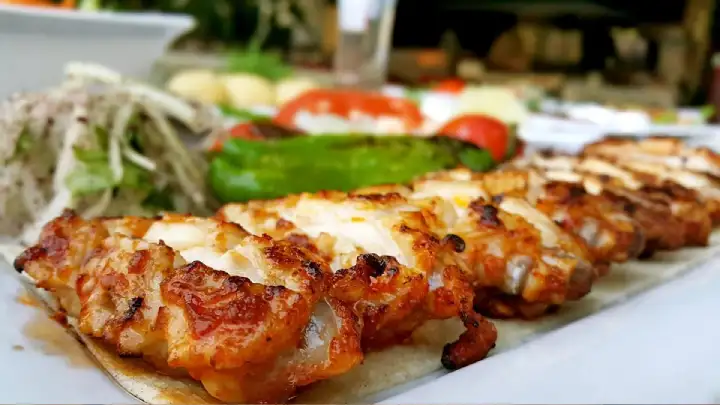
Table of Content
Traditional Middle Eastern Kebab
Click here to see more portionsKebab, in its countless regional forms, represents one of humanity's oldest and most universal cooking techniques: meat seasoned, skewered, and cooked over open flame. The word itself traces back through Persian and Arabic to describe roasted or grilled meat, and variations of skewered, fire-cooked meat appear across Turkey, the Levant, Iran, the Caucasus, and Central Asia, each region claiming its own beloved version. This particular style—a blend of ground lamb and beef seasoned with warm spices, shaped onto skewers, and grilled over high heat—belongs to the kofta or kebab-e koobideh family, distinct from cubed-meat shish kebab. What makes this style so enduringly popular is the way ground meat, properly seasoned and rested, develops a juicy, tender interior with a deeply charred, smoky exterior that cubed meat alone can't replicate. The fat content from the lamb is essential, basting the meat from within as it cooks and keeping it moist despite the intense heat of the grill. Onion grated into the mixture adds moisture and a subtle sweetness, while garlic, paprika, and black pepper provide aromatic depth without overwhelming the meat's natural flavor. Served straight off the skewer with warm flatbread, fresh herbs, and a tangy yogurt sauce, kebab is street food, family dinner, and celebratory feast all at once—proof that fire and well-seasoned meat need little else to satisfy.
| Ingredient | Amount |
|---|---|
| For the Kebab Mixture: | |
| Ground Lamb | 120g (preferably 20% fat for juiciness) |
| Ground Beef | 80g (80/20 blend) |
| Onion | 1 piece (grated, excess liquid squeezed out) |
| Garlic | 2 cloves (minced or crushed to a paste) |
| For Seasoning: | |
| Paprika | 1 tsp (sweet or smoked) |
| Black Pepper | 1 tsp (freshly ground) |
| Salt | 0.5 tsp (to taste, plus more for grilling) |
| Olive Oil | 1 tbsp (for binding and brushing skewers) |
Instructions:
1. Choose and Balance Your Meat:
Start with a blend of ground lamb and ground beef rather than either meat alone—lamb alone can taste overly gamey for some palates, while beef alone lacks the richness that makes kebab so satisfying. A roughly 60/40 lamb-to-beef ratio, as used here, balances flavor and fat content nicely. Make sure both meats are coarsely ground rather than finely processed; a finer grind can turn pasty and dense once cooked, while a coarser texture holds together on the skewer while still staying tender. If you have a meat grinder, grinding your own from lamb shoulder and beef chuck gives you the best control over fat ratio and texture, though good quality store-bought ground meat works perfectly well too.
2. Grate and Drain the Onion:
Grate the onion on the fine side of a box grater or pulse briefly in a food processor until it becomes a wet, fine pulp. Place the grated onion in a fine-mesh strainer or wrap it in a clean kitchen towel and squeeze firmly to remove as much liquid as possible. This step is more important than it looks—too much onion liquid in the meat mixture makes the kebabs mushy and prevents them from holding their shape on the skewer. The dry, finely grated onion pulp still contributes plenty of moisture and sweetness as the kebabs cook, without compromising the texture.
3. Mix the Kebab Base:
In a large bowl, combine the ground lamb, ground beef, drained grated onion, and minced garlic. Add the paprika, black pepper, and salt. Using your hands, mix everything together thoroughly but gently—overworking the mixture can make the kebabs dense and tough rather than tender. Knead for about a minute, just until the seasonings are evenly distributed and the mixture feels slightly tacky and cohesive, a sign that the proteins have begun binding together, which helps the kebabs hold their shape on the skewer without falling apart.
4. Rest the Mixture:
Cover the bowl and refrigerate the meat mixture for at least 30 minutes, though 1-2 hours is even better. This resting period allows the salt to fully dissolve into the meat's proteins, firming up the texture and improving the kebabs' ability to hold together on the skewer. It also gives the garlic and spices time to permeate the meat more evenly. Cold meat is also simply easier to shape, since the fat stays firm rather than smearing under your warm hands.
5. Shape the Kebabs onto Skewers:
If using wooden skewers, soak them in water for at least 20 minutes beforehand to prevent burning; flat metal skewers are ideal because they keep the meat from spinning when you turn it. With wet or lightly oiled hands, take a portion of the meat mixture roughly the size of a small fist and mold it around the skewer, pressing and squeezing as you work down the length to create a long, even, slightly flattened log about 2cm thick. Aim for a firm, compact grip on the skewer so the meat doesn't slide or slump during grilling—traditional cooks pinch and smooth the surface repeatedly until it looks uniform and seamless.
6. Preheat the Grill Properly:
Preheat your grill—charcoal is traditional and gives the best smoky char, but a gas grill or even a ridged stovetop grill pan will work—to medium-high heat, aiming for a hot, even cooking surface. Brush the grates lightly with oil to prevent sticking. If using charcoal, let the coals burn down until they're glowing and covered with a light coat of gray ash, which gives steady, intense heat without an open flame that would scorch the exterior before the inside cooks through.
7. Grill the Kebabs with Patience:
Place the skewers on the hot grill and cook for about 8-10 minutes total, turning every 2-3 minutes to char all sides evenly without burning any one spot. Resist the urge to move them too often in the first few minutes—letting the meat sit undisturbed briefly helps it form a good crust that holds it onto the skewer. The kebabs are done when they're firm to the touch, deeply browned and slightly charred on the outside, and registering about 71°C (160°F) internally for ground meat, with no pink remaining in the center.
8. Rest Briefly Before Serving:
Once cooked, transfer the skewers to a plate and let them rest for 2-3 minutes before sliding the meat off. This short rest allows the juices, which rush to the surface during high-heat grilling, to redistribute back through the meat, ensuring every bite stays moist rather than leaking out the moment you cut into it. Use a piece of bread or a fork to gently push the meat off the skewer rather than pulling, which can tear it apart.
9. Serve with Traditional Accompaniments:
Serve the kebabs hot, ideally wrapped in warm flatbread or alongside fluffy rice. Classic accompaniments include grilled tomatoes and peppers, a simple chopped salad of cucumber, tomato, and parsley dressed with lemon and olive oil, and a cooling yogurt-based sauce to balance the richness of the meat. A squeeze of fresh lemon juice right before eating brightens the smoky, spiced flavor and is practically mandatory in kebab houses across the region.
Kitchen Wisdom & Grilling Traditions:
- Fat is Flavor: Don't trim the fat from the lamb or use lean ground beef—the fat content is what keeps these kebabs juicy over high, direct heat.
- Flat Skewers Prevent Spinning: Round metal skewers let the meat rotate independently of your hand. Flat or twisted metal skewers grip the meat and turn evenly with each flip.
- Squeeze the Onion Dry: Skipping this step is the most common reason homemade kebabs fall apart on the grill. Wet onion pulp weakens the meat's structure.
- Chill Before Shaping: Cold meat is far easier to mold tightly around a skewer than meat at room temperature, which tends to smear and slide.
- Don't Overmix: Mix just until combined. Overworking ground meat develops too much protein structure and results in a dense, springy texture instead of tender bite.
- Let the Crust Form: Avoid constantly flipping the skewers in the first few minutes—a brief sear undisturbed helps the exterior set so it doesn't stick or tear.
- A Meat Thermometer Helps: Ground meat should reach an internal temperature of about 71°C (160°F) to be safely and fully cooked through.
- Charcoal for Authentic Smoke: Gas grills are convenient, but real charcoal embers impart the smoky char that's central to the kebab tradition.
- Rest Before Unskewering: A short rest off the heat lets juices redistribute, preventing them from spilling out the moment you remove the meat.
- Lemon at the Table: A final squeeze of fresh lemon juice cuts through the richness and is the traditional finishing touch in most kebab-serving cultures.
Kebab Heritage & Grilling Culture
Skewered, fire-grilled meat is among the oldest cooking methods known to humanity, predating written history, but the kebab as a culinary tradition took distinct shape across the Ottoman Empire, Persia, and the wider Middle East, where nomadic and settled cultures alike relied on portable, fast-cooking methods suited to open fires. The Turkish şiş kebap (skewered meat) and Persian kabab-e koobideh, made from seasoned ground meat much like this recipe, spread along trade routes and through empire to influence grilling traditions from the Balkans to South Asia. Kebab culture is inseparable from hospitality: in much of the Middle East, Caucasus, and Central Asia, grilling meat over open coals for guests is an act of generosity and respect, often a communal, multi-hour social event rather than a quick meal. Today, kebab shops and street vendors serve countless regional variations—Adana kebab's chili heat, Turkish döner's vertical rotisserie, Persian koobideh's saffron rice pairing—but they all share the same DNA: well-seasoned meat, the discipline of the skewer, and the transformative power of live fire.
Few things satisfy as completely as meat that's been seasoned with care and kissed by real fire. Afiyet olsun!
Calculate Portions by Guest Count
Select the number of people you're serving to get precise measurements
Portions for
2 People
360 g total Kebab
Portions for
4 People
720 g total Kebab
Portions for
6 People
1080 g total Kebab
Portions for
8 People
1440 g total Kebab
Portions for
10 People
1800 g total Kebab
Portions for
12 People
2160 g total Kebab
Portions for
15 People
2700 g total Kebab
Portions for
20 People
3600 g total Kebab
Portions for
30 People
5400 g total Kebab
Portions for
50 People
9000 g total Kebab
Portions for
75 People
13500 g total Kebab
Portions for
100 People
18000 g total Kebab
Portions for
200 People
36000 g total Kebab
Quick Reference Guide
180g
Per Serving
720g
For 4 People
1800g
For 10 People
9kg
For 50 People
Related Categories
Pro Tips
- • Always prepare slightly more than calculated to account for hearty appetites
- • Consider the occasion: formal dinners typically require more precise portions
- • Account for side dishes when planning main course quantities
- • Store leftovers properly to minimize waste and extend freshness