Pizza Servings: Classic Neapolitan-Style Pizza
Calculate perfect portions of authentic homemade pizza. Master Naples' iconic hand-stretched dough, San Marzano tomatoes, and fresh mozzarella!
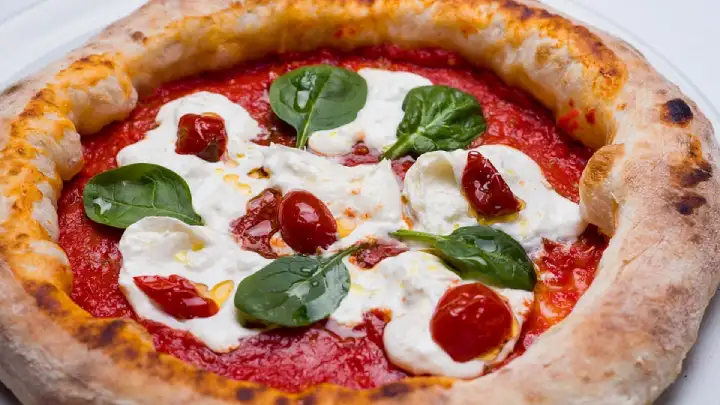
Table of Content
Classic Neapolitan-Style Pizza
Click here to see more portionsPizza began as humble street food in 18th-century Naples, where flatbreads topped with tomato, oil, and cheese fed working families who needed something cheap, fast, and satisfying. The dish that would eventually conquer the world's kitchens was, at its origin, food for the poor—sold from carts and tiny storefronts in the crowded alleys of the Spanish Quarter. Its transformation into a global icon is usually traced to 1889, when pizzaiolo Raffaele Esposito is said to have created a pizza topped with tomato, mozzarella, and basil—red, white, and green, the colors of the new Italian flag—in honor of Queen Margherita of Savoy. Whether or not that exact story is true, the Margherita remains the gold standard against which every pizza is measured. True Neapolitan pizza follows strict, almost ceremonial rules: a soft, pillowy dough made from just flour, water, salt, and yeast, fermented slowly to develop flavor and digestibility, then stretched by hand—never rolled—into a thin disc with a slightly thicker, charred-leopard-spotted crust. It's baked for just 60-90 seconds in a wood-fired oven reaching 485°C (905°F), a heat most home ovens can't match but can approximate with the right technique. What makes pizza endlessly rewarding to make at home is how few ingredients are involved and how much they all matter—good flour, good tomatoes, good cheese, and patience with the dough are really all you need.
| Ingredient | Amount |
|---|---|
| For the Dough: | |
| Pizza Flour (00) | 500g (or unbleached bread flour) |
| Water | 325ml (room temperature) |
| Active Dry Yeast | 7g (about 2 teaspoons) |
| Salt | 12g (fine sea salt) |
| Olive Oil | 20ml (for the dough) |
| For the Sauce & Toppings: | |
| San Marzano Tomatoes | 400g (crushed by hand) |
| Garlic Cloves | 6g (1-2 cloves, minced) |
| Dried Oregano | 3g |
| Fresh Basil | 10g (leaves, torn) |
| Fresh Mozzarella | 300g (fior di latte or buffalo, torn) |
| Parmesan Cheese | 30g (finely grated) |
| Extra Virgin Olive Oil | 15ml (for finishing) |
Instructions:
1. Activate the Yeast:
In a small bowl, combine the room-temperature water with the active dry yeast and let it sit for 5-10 minutes until it turns foamy and fragrant. This step confirms the yeast is alive and will give your dough lift. If the mixture doesn't foam, the yeast is dead and you'll need fresh yeast—it's far better to discover this now than after the dough has failed to rise.
2. Mix and Knead the Dough:
In a large bowl, combine the flour and salt. Make a well in the center and pour in the yeast mixture along with the olive oil. Mix with a wooden spoon or your hands until a rough dough forms, then turn it onto a lightly floured surface and knead for 10-12 minutes. The dough should transform from sticky and shaggy to smooth, elastic, and tacky but no longer sticky to the touch. This kneading develops the gluten network that gives Neapolitan pizza its characteristic chewy-yet-airy crust.
3. First Rise:
Shape the dough into a smooth ball and place it in a lightly oiled bowl, covering it with plastic wrap or a damp towel. Let it rise at room temperature for at least 2 hours, or refrigerate for 24-72 hours for a slower, more flavorful fermentation. Cold fermentation is the secret of great pizzerias—it develops complex flavor and improves digestibility by giving the yeast and natural enzymes time to break down the starches in the flour.
4. Divide and Shape:
Once risen, turn the dough out and divide it into two equal portions for two medium pizzas, or keep it whole for one large pizza. Shape each portion into a tight ball by tucking the edges underneath, then let rest, covered, for 30-45 minutes at room temperature. This relaxation period lets the gluten loosen so the dough stretches easily without springing back or tearing.
5. Make the Sauce:
Crush the San Marzano tomatoes by hand or pass them briefly through a food mill—avoid a blender, which makes the sauce too smooth and aerated. Stir in the minced garlic and dried oregano along with a pinch of salt. Traditional Neapolitan pizza sauce is uncooked; the brief, intense heat of baking is enough to cook it directly on the pizza, preserving the tomatoes' fresh, bright flavor.
6. Preheat for Maximum Heat:
Place a pizza stone or steel on the highest rack of your oven and preheat to its maximum temperature (typically 260-290°C/500-550°F) for at least 45 minutes. The stone or steel needs this long to fully absorb heat, which is what gives you a crisp, blistered bottom crust instead of a pale, soggy one. If you have a broiler, position the rack so the pizza will also get direct top heat during baking.
7. Stretch and Top the Pizza:
On a well-floured surface or pizza peel, gently press and stretch the dough from the center outward using your fingertips, rotating as you go, leaving a slightly thicker rim for the crust. Avoid using a rolling pin, which crushes out the air bubbles that give the crust its lightness. Spread a thin layer of sauce, leaving the rim bare, then scatter torn mozzarella and finish with a drizzle of olive oil.
8. Bake Quickly and Hot:
Slide the pizza onto the preheated stone or steel and bake for 6-9 minutes, watching closely—home ovens take longer than a wood-fired oven's 90 seconds, so keep an eye out for a golden, blistered crust and bubbling, lightly browned cheese. If your oven has a broiler, switch to it for the final minute to char the crust edges the way a true wood-fired oven would.
9. Finish and Serve:
Remove the pizza and immediately scatter fresh basil leaves and a sprinkle of grated Parmesan over the top—the residual heat will release the basil's aroma without wilting it into a dull green. Slice with a sharp knife or pizza wheel and serve immediately while the cheese is still molten and the crust is at its crispest.
Pizzaiolo Wisdom & Dough Traditions:
- Weigh, Don't Scoop: Flour measured by volume varies wildly. A kitchen scale is the single biggest upgrade you can make to your dough consistency.
- Cold Fermentation Wins: A 24-48 hour rise in the refrigerator produces noticeably better flavor and texture than a same-day dough.
- Less Sauce, Not More: A thin layer of sauce keeps the crust crisp. Drowning the dough in sauce is the most common home-pizza mistake.
- Dry Your Mozzarella: Pat fresh mozzarella dry before topping to avoid a watery pizza, especially with high-moisture buffalo mozzarella.
- Preheat Longer Than Feels Necessary: A stone or steel needs 45-60 minutes to reach full heat saturation—rushing this step is the difference between a crisp base and a pale one.
- Flour the Peel, Not the Dough: Use semolina or cornmeal under the dough so it slides easily onto the stone without sticking.
- Less Is More on Toppings: Two or three quality toppings beat a crowded pizza every time—too much weight prevents proper crisping.
- Rest Before Stretching: Don't shape cold, tense dough straight from the fridge—let it come closer to room temperature first so it stretches without tearing.
- Salt Slows Yeast: Keep salt and yeast separated when mixing to avoid killing the yeast's activity before fermentation begins.
- Practice the Stretch: Hand-stretching takes a few tries to master. Imperfect shapes still bake into delicious pizza—don't let a lopsided circle stop you.
Neapolitan Heritage & UNESCO Recognition
In 2017, UNESCO inscribed "Pizzaiuolo," the art of the traditional Neapolitan pizza maker, on its list of Intangible Cultural Heritage—official recognition that pizza-making is a craft passed down through apprenticeship, gesture, and oral tradition rather than written recipe. Naples' Associazione Verace Pizza Napoletana even certifies pizzerias worldwide that follow strict rules governing dough hydration, fermentation time, oven temperature, and ingredients, all in defense of the original dish against the countless variations it has spawned. From Naples, pizza traveled with Italian immigrants to New York and Chicago, where it evolved into thicker, cheesier, and more topping-laden styles suited to American tastes and ovens. Today pizza exists in hundreds of regional forms—Roman, Sicilian, Detroit, New York—but they all trace back to those Neapolitan street vendors who first figured out that bread, tomato, and cheese, baked hot and fast, could become something the whole world would crave.
Great pizza rewards patience more than skill—a well-fermented dough and good ingredients will carry you most of the way there. Buon appetito!
Calculate Portions by Guest Count
Select the number of people you're serving to get precise measurements
Portions for
2 People
800 g total Pizza
Portions for
4 People
1600 g total Pizza
Portions for
6 People
2400 g total Pizza
Portions for
8 People
3200 g total Pizza
Portions for
10 People
4000 g total Pizza
Portions for
12 People
4800 g total Pizza
Portions for
15 People
6000 g total Pizza
Portions for
20 People
8000 g total Pizza
Portions for
30 People
12000 g total Pizza
Portions for
50 People
20000 g total Pizza
Portions for
75 People
30000 g total Pizza
Portions for
100 People
40000 g total Pizza
Portions for
200 People
80000 g total Pizza
Quick Reference Guide
400g
Per Serving
1600g
For 4 People
4000g
For 10 People
20kg
For 50 People
Related Categories
Pro Tips
- • Always prepare slightly more than calculated to account for hearty appetites
- • Consider the occasion: formal dinners typically require more precise portions
- • Account for side dishes when planning main course quantities
- • Store leftovers properly to minimize waste and extend freshness