Tacos Servings: Classic Mexican Street Tacos
Calculate perfect portions of authentic Mexican tacos. Master seasoned ground beef, warm tortillas, and fresh toppings for your next taco night!
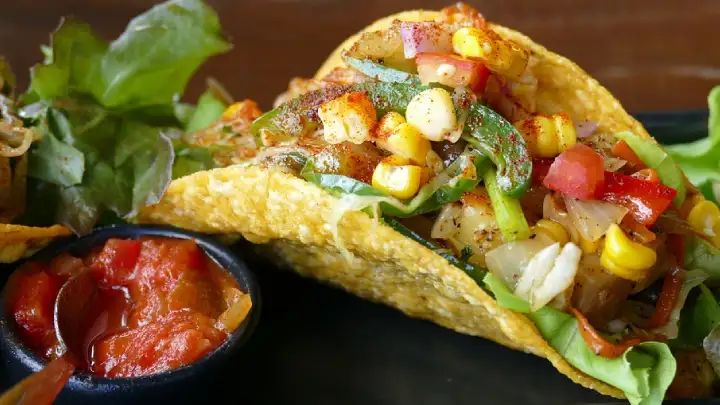
Table of Content
Traditional Mexican Ground Beef Tacos
Click here to see more portionsTacos are Mexico's most universally beloved food format—not so much a single dish as a vehicle, a warm tortilla folded or wrapped around virtually any filling imaginable, eaten standing up at a street cart or seated at a family table. The word "taco" itself likely emerged in 18th-century Mexican silver mines, where miners used the term for the small charges of gunpowder wrapped in paper that they packed into rock to blast it apart—a name that transferred naturally to food wrapped in a tortilla. Long before that, the tortilla itself traces back thousands of years to Mesoamerican civilizations who relied on nixtamalized corn, a process of soaking and cooking dried corn kernels in an alkaline solution that unlocks nutrients and makes the corn easier to grind into the dough used for tortillas. While purists will say authentic Mexican tacos favor corn tortillas and simple fillings like al pastor, carnitas, or barbacoa, ground beef tacos dressed with lettuce, tomato, cheese, and sour cream represent the widely loved Tex-Mex adaptation that has become a household staple across North America. What makes tacos endlessly satisfying, regardless of style, is the combination of textures and temperatures in a single bite: a warm, slightly chewy or crisp tortilla, savory seasoned meat, the cool crunch of fresh vegetables, and the tang of salsa or sour cream, all balanced together. Tacos are casual, customizable, and quick to assemble, making them as suited to a busy weeknight dinner as they are to a backyard taco night with friends.
| Ingredient | Amount |
|---|---|
| For the Tacos: | |
| Tortillas | 3 pieces (corn or flour, warmed) |
| Ground Beef | 100g (80/20 blend, seasoned) |
| For the Toppings: | |
| Lettuce | 20g (shredded, crisp) |
| Tomato | 20g (diced) |
| Cheese | 30g (shredded cheddar or Mexican blend) |
| For Garnish: | |
| Sour Cream | 10ml (for topping) |
| Salsa | 15ml (fresh or bottled, your preferred heat level) |
Instructions:
1. Prep the Toppings First:
Before cooking the beef, get all your toppings ready so assembly goes quickly once the meat is done. Shred the lettuce finely, dice the tomato into small, even pieces, and shred or grate the cheese if it isn't pre-shredded. Having everything prepped and arranged in small bowls, taco-bar style, makes the whole process smoother and lets everyone build their own tacos exactly how they like them.
2. Brown the Ground Beef:
Heat a skillet over medium-high heat and add the ground beef, breaking it apart with a wooden spoon or spatula as it cooks. Brown it for 6-8 minutes, stirring occasionally, until no pink remains and the meat has developed some good caramelized color on the edges. Resist the urge to stir constantly—letting the meat sit undisturbed for short stretches helps it brown rather than just steam.
3. Season the Meat:
Once the beef is browned, drain off excess fat if there's a large amount, then season with chili powder, ground cumin, garlic powder, onion powder, and salt to taste—these classic taco seasonings can be combined fresh or used from a pre-mixed packet. Add a small splash of water if the mixture seems dry, and simmer for 2-3 minutes to let the spices bloom and the flavors meld into the meat. The seasoned beef should look glossy and smell warmly spiced, not dry or chalky.
4. Warm the Tortillas:
Warm the tortillas one at a time in a dry skillet over medium heat for about 20-30 seconds per side, until they're soft, pliable, and have a few light brown spots. Alternatively, wrap a stack of tortillas in a damp towel and microwave for 30-45 seconds. Warming is essential—cold tortillas crack and tear when folded, while warm ones bend easily and taste noticeably better, with a toasted aroma that cold tortillas simply don't have.
5. Build the Base Layer:
Lay each warm tortilla flat and spoon a portion of the seasoned ground beef down the center, leaving room at the edges for folding. Distribute the meat evenly across all the tortillas so each taco gets a fair, generous share. Avoid overfilling at this stage—you still need to add the toppings, and an overstuffed taco becomes difficult to fold and eat without everything spilling out.
6. Layer the Fresh Toppings:
Sprinkle shredded cheese directly over the warm meat so it begins to soften slightly from the residual heat. Add a layer of shredded lettuce for crunch, followed by the diced tomato for a juicy, fresh contrast. Building the toppings in this order—cheese first, against the warm meat, then the cooler, crisper vegetables—keeps the textures distinct rather than letting everything wilt together.
7. Finish with Sauce:
Add a dollop of sour cream and a spoonful of salsa on top of each taco. If you prefer a spicier kick, this is also the moment to add hot sauce or pickled jalapeños. Go easy on the sauces at first—you can always add more at the table, but a heavy hand here can make the taco soggy and difficult to fold neatly.
8. Fold with Care:
Fold each tortilla up and over the filling, bringing the sides in slightly to cradle the ingredients without spilling them out the ends. If using softer flour tortillas, you can fold them more like a soft taco or burrito; sturdier corn tortillas are often simply folded in half. Hold each taco gently but firmly as you transfer it to a serving plate, since an overstuffed or unevenly folded taco is prone to breaking apart.
9. Serve Immediately:
Tacos are best enjoyed the moment they're assembled, while the tortilla is still warm and the toppings are crisp and fresh. Serve alongside lime wedges, extra salsa, and hot sauce on the side so everyone can adjust to their own taste. If you're feeding a crowd, consider setting up a build-your-own taco bar with all the components laid out separately, letting guests assemble their tacos exactly the way they like them.
Kitchen Wisdom & Mexican Taco Traditions:
- Always Warm Your Tortillas: A cold, unwarmed tortilla cracks when folded and lacks flavor. Never skip this quick but essential step.
- Brown, Don't Steam, the Meat: Let the ground beef sit undisturbed in the pan periodically while cooking to develop real caramelization and flavor.
- Season in Layers: Adding spices after the meat has browned, rather than before, lets you control toasting the spices separately for deeper flavor.
- Don't Overfill: A taco piled too high becomes impossible to eat neatly. Moderate portions of each component fold and eat far better.
- Build in the Right Order: Cheese against warm meat, then crisp vegetables, then sauce—this order keeps textures distinct rather than soggy.
- Corn vs. Flour Tortillas: Corn tortillas are more traditional and have a distinct toasted flavor; flour tortillas are softer and more pliable for larger fillings.
- Drain Excess Fat: If your ground beef releases a lot of grease, drain some off before seasoning to avoid a greasy, heavy taco.
- Fresh Salsa Elevates Everything: A quick fresh tomato or tomatillo salsa makes a noticeable difference over bottled versions, even with minimal effort.
- Set Up a Taco Bar: For groups, laying out separate components lets everyone customize their tacos, accommodating different spice tolerances and preferences.
- Double Up Tortillas for Sturdiness: If using thin corn tortillas with a heavy filling, stacking two together prevents tearing and breaking.
Mexican Heritage & Street Food Culture
The taco's foundation, the corn tortilla, descends from a culinary tradition thousands of years old, rooted in the Mesoamerican practice of nixtamalization, in which dried corn is soaked and cooked in an alkaline solution—often limewater—before being ground into a pliable dough called masa. This ancient technique not only makes corn easier to grind but also unlocks niacin and other nutrients that would otherwise remain inaccessible, a discovery that shaped the diet of entire civilizations including the Aztec and Maya. The taco as a food format, wrapping fillings inside a folded tortilla for portable, hands-on eating, became especially associated with Mexican working-class and street food culture, sold from carts, stalls, and taquerías where speed, affordability, and flavor mattered most. As Mexican immigrants moved north into the United States throughout the 20th century, tacos evolved alongside them, adapting to available ingredients and local tastes, eventually giving rise to the Tex-Mex style featuring ground beef, lettuce, tomato, cheese, and sour cream that became a household staple far beyond Mexico's borders. Today, tacos exist in countless regional and personal forms, from humble street tacos al pastor in Mexico City to backyard taco nights across North America, but all trace back to that same simple, brilliant idea: a warm tortilla, folded around something delicious, meant to be eaten with your hands.
Quick to make and endlessly customizable, tacos prove that great food doesn't need to be complicated. ¡Buen provecho!
Calculate Portions by Guest Count
Select the number of people you're serving to get precise measurements
Portions for
2 People
300 g total Tacos
Portions for
4 People
600 g total Tacos
Portions for
6 People
900 g total Tacos
Portions for
8 People
1200 g total Tacos
Portions for
10 People
1500 g total Tacos
Portions for
12 People
1800 g total Tacos
Portions for
15 People
2250 g total Tacos
Portions for
20 People
3000 g total Tacos
Portions for
30 People
4500 g total Tacos
Portions for
50 People
7500 g total Tacos
Portions for
75 People
11250 g total Tacos
Portions for
100 People
15000 g total Tacos
Portions for
200 People
30000 g total Tacos
Quick Reference Guide
150g
Per Serving
600g
For 4 People
1500g
For 10 People
7.5kg
For 50 People
Related Categories
Pro Tips
- • Always prepare slightly more than calculated to account for hearty appetites
- • Consider the occasion: formal dinners typically require more precise portions
- • Account for side dishes when planning main course quantities
- • Store leftovers properly to minimize waste and extend freshness