Moussaka Servings: Greek Eggplant & Lamb Bake
Calculate perfect portions of authentic Greek Moussaka. Master layers of eggplant, spiced meat sauce, and creamy béchamel in this Mediterranean classic!
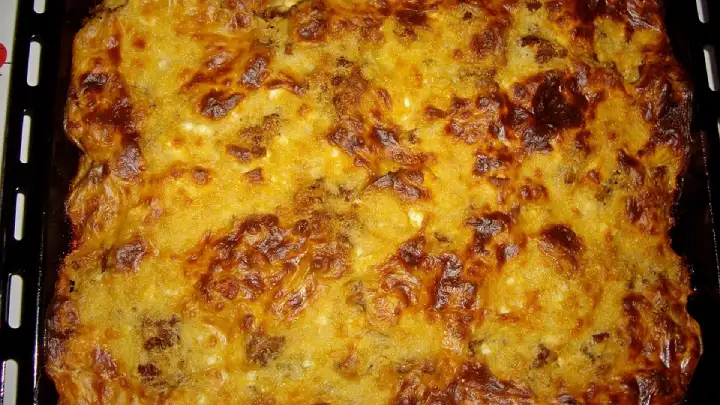
Table of Content
Traditional Greek Moussaka
Click here to see more portionsMoussaka is Greece's grand baked casserole—layers of tender eggplant and sometimes potato, a richly spiced ground meat sauce reminiscent of the wider eastern Mediterranean, and a thick, golden béchamel topping that bakes into something between a custard and a soufflé. While dishes built from layered eggplant and meat exist throughout the Levant and the Balkans under various names, the version known internationally as moussaka today owes its current form largely to chef Nikolaos Tselementes, who in the early 20th century added the French-style béchamel topping that gives the dish its signature creamy crown and distinguishes it from its regional cousins. Before that addition, Greek moussaka was closer to its Ottoman-influenced ancestors—simpler, sauceless, and more rustic. What makes the dish today is the careful balance of textures and temperatures: silky roasted or fried eggplant, a deeply savory meat sauce warmed with cinnamon and a splash of red wine, and a smooth béchamel enriched with egg yolks and nutmeg that puffs and browns in the oven. It's a labor-intensive dish, traditionally reserved for Sunday lunches, holidays, and family gatherings, because each component demands its own attention before they're layered together and baked until the top is golden and bubbling. The reward for that effort is a dish that's substantial enough to be a complete meal, deeply comforting, and unmistakably Greek in character.
| Ingredient | Amount |
|---|---|
| For the Vegetable Layers: | |
| Eggplant | 800g (sliced lengthwise, about 1cm thick) |
| Potatoes | 400g (peeled, sliced 1cm thick) |
| Olive Oil | 80ml (divided, for roasting) |
| For the Meat Sauce: | |
| Ground Lamb or Beef | 600g |
| Onion | 200g (finely diced) |
| Garlic Cloves | 15g (about 3-4 cloves, minced) |
| Tomatoes | 400g (crushed or grated) |
| Tomato Paste | 30g |
| Red Wine | 120ml (dry) |
| Ground Cinnamon | 3g |
| Dried Oregano | 5g |
| Bay Leaves | 2g (2 leaves) |
| For the Béchamel: | |
| Butter | 60g |
| Flour | 60g |
| Milk | 700ml (warm) |
| Egg Yolks | 40g (about 2 yolks, beaten) |
| Parmesan or Kefalotyri Cheese | 100g (grated, divided) |
| Ground Nutmeg | 2g |
| For Seasoning: | |
| Salt | 15g (to taste) |
| Black Pepper | 5g (freshly ground) |
Instructions:
1. Salt and Drain the Eggplant:
Slice the eggplant lengthwise into roughly 1cm thick planks and lay them out on a wire rack or paper towels, sprinkling both sides generously with salt. Let them sit for 30-45 minutes—this draws out bitter moisture and prevents the finished dish from turning watery or soggy. Pat the slices completely dry with paper towels afterward; any remaining moisture will prevent proper browning in the next step.
2. Roast the Eggplant and Potatoes:
Preheat the oven to 220°C (425°F). Arrange the eggplant and potato slices on baking sheets, brushing both sides generously with olive oil. Roast for 20-25 minutes, flipping halfway through, until both are tender and lightly golden at the edges. Roasting rather than the traditional deep-frying produces a lighter dish with less oil while still giving the eggplant a pleasant, slightly caramelized flavor.
3. Brown the Meat:
Heat a tablespoon of olive oil in a large, heavy pot over medium-high heat and add the diced onion, cooking for 5-6 minutes until softened. Add the garlic and cook for 30 seconds, then add the ground lamb or beef, breaking it up with a wooden spoon and browning thoroughly for 8-10 minutes. Drain off excess fat if there's a significant amount, but leave enough behind for flavor.
4. Build the Spiced Tomato Sauce:
Stir in the tomato paste and cook for 1-2 minutes until it darkens slightly, then add the crushed tomatoes, red wine, cinnamon, oregano, and bay leaves. Season with salt and pepper, bring to a simmer, and cook uncovered for 25-30 minutes, stirring occasionally, until the sauce thickens substantially and most of the liquid has reduced away—a watery sauce will make the entire casserole fall apart when sliced. The warm cinnamon note is essential and distinctly Greek; it should be present but not overpowering. Remove the bay leaves before assembling.
5. Make the Béchamel Base:
Melt the butter in a saucepan over medium heat, then whisk in the flour to form a smooth paste, cooking for 1-2 minutes until it smells faintly nutty but hasn't browned. Gradually pour in the warm milk while whisking constantly to prevent lumps, then continue cooking, whisking frequently, for 8-10 minutes until the sauce thickens to a consistency similar to a thick custard that coats the back of a spoon.
6. Enrich and Finish the Béchamel:
Remove the béchamel from heat and let it cool for a few minutes, then whisk in the beaten egg yolks gradually, tempering them with a little of the hot sauce first to prevent them from scrambling. Stir in half the grated cheese and the nutmeg, along with a pinch of salt. The egg yolks are what allow the béchamel to set into a firm, sliceable layer once baked rather than remaining a loose sauce, and they give the top its characteristic golden color.
7. Layer the Casserole:
Preheat the oven to 180°C (350°F). In a large baking dish, arrange a layer of roasted potato slices across the bottom, followed by half the eggplant slices. Spread the meat sauce evenly over the eggplant, then top with the remaining eggplant slices, pressing down gently to compact the layers. This layering creates the structural backbone of the dish and ensures every portion gets a representative mix of textures when served.
8. Top with Béchamel and Bake:
Pour the béchamel evenly over the top layer, using a spatula to spread it all the way to the edges of the dish. Sprinkle the remaining grated cheese over the surface. Bake for 45-50 minutes, until the top is deeply golden brown with some darker spots, and the casserole is bubbling visibly at the edges. The béchamel should puff slightly and set firm, similar to a baked custard.
9. Rest Before Slicing:
Remove the moussaka from the oven and let it rest for at least 20-30 minutes before cutting—this is not optional. The layers need this time to set firm; slicing too early will cause the dish to collapse into a delicious but messy pile rather than clean, structured squares. Cut into portions with a sharp knife and serve warm, ideally alongside a simple Greek salad and crusty bread.
Kitchen Wisdom & Greek Traditions:
- Salting Eggplant Is Essential: Skipping this step leaves excess bitter moisture in the dish, leading to a watery, soggy casserole that won't hold its layers.
- Reduce the Sauce Fully: A thin, watery meat sauce is the most common reason moussaka falls apart when sliced. Cook it down until thick and jammy.
- Cinnamon Is Non-Negotiable: The warm spice note distinguishes Greek moussaka from similar Mediterranean and Middle Eastern eggplant bakes. Use it with a light hand but don't omit it.
- Egg Yolks Set the Top: Without them, the béchamel stays a loose sauce. The yolks are what allow clean, structured slices once the dish cools slightly.
- Resting Time Is Mandatory: Cutting moussaka straight from the oven guarantees collapsed layers. Twenty to thirty minutes of rest is the difference between a mess and a presentable slice.
- Roasting Over Frying: Traditional recipes fry the eggplant in oil, which is delicious but heavy. Roasting is the modern, lighter approach without sacrificing too much flavor.
- Make It a Day Ahead: Moussaka reheats beautifully and many cooks consider it even better the next day, once the layers have had time to fully set and the flavors have melded.
- Potato Layer Is Optional but Traditional: Some regions include a potato layer beneath the eggplant for heartiness; others use eggplant alone. Both are authentic depending on the household.
- Kefalotyri for Authenticity: This salty, hard Greek sheep's milk cheese is traditional, though Parmesan or Pecorino make excellent substitutes if unavailable.
- Freezes Well: Baked, cooled moussaka freezes successfully for up to two months—a useful make-ahead dish for entertaining.
Greek Heritage & Mediterranean Culture
Layered eggplant and meat dishes have existed across the eastern Mediterranean and Balkans for centuries, shaped heavily by Ottoman culinary influence that spread similar preparations throughout Greece, Turkey, and the Levant under various local names. The moussaka recognized internationally today, however, owes its modern identity largely to Nikolaos Tselementes, a Greek chef trained in French culinary technique, who in the 1920s introduced the béchamel topping that transformed a simpler, sauceless dish into the rich, layered casserole familiar now. This French influence on Greek cuisine reflects a broader pattern of the era, as Greek chefs trained abroad brought European techniques home and adapted them to local ingredients and tastes. Moussaka quickly became a fixture of Greek home cooking and taverna menus alike, prized for being substantial enough to serve as a complete meal and impressive enough for guests. It's commonly prepared for Sunday family lunches, name day celebrations, and holiday gatherings, often made in large quantities since it reheats and even improves with a day's rest. Today, moussaka stands alongside dishes like souvlaki and spanakopita as one of the most recognized exports of Greek cuisine worldwide, carrying with it the layered history of Ottoman, Mediterranean, and French influence baked into a single, comforting dish.
Moussaka asks for patience at every stage, but the reward is a dish substantial enough to anchor any table and comforting enough to remember long after the last bite. Kali orexi!
Calculate Portions by Guest Count
Select the number of people you're serving to get precise measurements
Portions for
2 People
700 g total Moussaka
Portions for
4 People
1400 g total Moussaka
Portions for
6 People
2100 g total Moussaka
Portions for
8 People
2800 g total Moussaka
Portions for
10 People
3500 g total Moussaka
Portions for
12 People
4200 g total Moussaka
Portions for
15 People
5250 g total Moussaka
Portions for
20 People
7000 g total Moussaka
Portions for
30 People
10500 g total Moussaka
Portions for
50 People
17500 g total Moussaka
Portions for
75 People
26250 g total Moussaka
Portions for
100 People
35000 g total Moussaka
Portions for
200 People
70000 g total Moussaka
Quick Reference Guide
350g
Per Serving
1400g
For 4 People
3500g
For 10 People
17.5kg
For 50 People
Related Categories
Pro Tips
- • Always prepare slightly more than calculated to account for hearty appetites
- • Consider the occasion: formal dinners typically require more precise portions
- • Account for side dishes when planning main course quantities
- • Store leftovers properly to minimize waste and extend freshness