Bulgogi Servings: Korean Fire Meat
Calculate perfect portions of authentic Bulgogi. Master Korea's beloved marinated beef with our detailed guide to sweet and savory perfection!
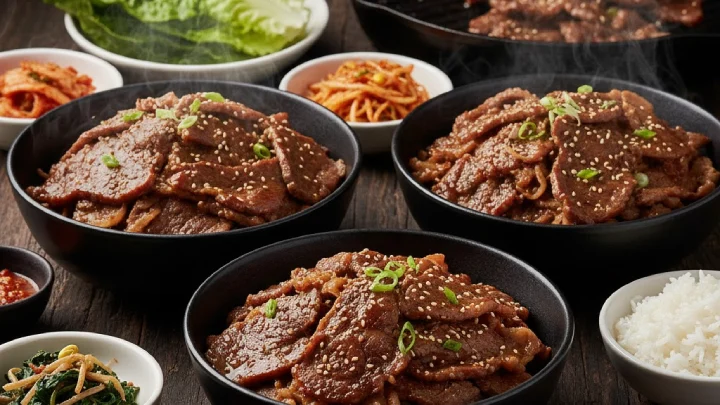
Table of Content
Classic Bulgogi (Korean Marinated Beef)
Click here to see more portionsBulgogi—literally "fire meat"—is Korea's most beloved dish, a symphony of sweet, savory, and umami flavors that has captivated palates for over 2,000 years. Born during the Goguryeo era (37 BCE–668 CE) when it was called "maekjeok" (맥적) and reserved for royal courts and special occasions, bulgogi has evolved from aristocratic luxury to everyday comfort food found sizzling on grills in Korean homes, restaurants, and street stalls worldwide. What makes bulgogi extraordinary is the marriage of technique and flavor: paper-thin slices of quality beef marinated in a complex mixture of soy sauce, sugar, Asian pear, garlic, and sesame oil, then cooked quickly over high heat until caramelized on the edges and tender throughout. The Asian pear is essential—not just for sweetness but for its natural enzymes that tenderize the meat and create that characteristic silky texture. Unlike Western grilled meats where seasoning sits on the surface, bulgogi's flavor penetrates every fiber through hours of marination, creating beef that's simultaneously sweet and savory, rich yet balanced, complex yet comforting. Traditionally cooked on a domed griddle called a "bulgogi-pan" that allows fat to drain while keeping the meat moist, modern bulgogi adapts beautifully to cast iron skillets, grills, or even broilers. Served with banchan (side dishes), wrapped in crisp lettuce leaves with ssamjang (spicy-sweet paste), rice, and kimchi, bulgogi represents Korean cooking at its finest: bold flavors, communal eating, and the understanding that the best meals bring people together around shared fire.
| Ingredient | Amount |
|---|---|
| Beef (ribeye, sirloin, or brisket) | 600g (thinly sliced) |
| Soy Sauce | 80ml (⅓ cup) |
| Sugar (white or brown) | 40g (3 tbsp) |
| Asian Pear or Apple | 150g (½ medium pear, grated) |
| Onion | 100g (½ medium, grated or minced) |
| Garlic Cloves | 20g (5-6 cloves, minced) |
| Fresh Ginger | 10g (1 tbsp, grated) |
| Sesame Oil | 30ml (2 tbsp) |
| Mirin or Rice Wine | 30ml (2 tbsp) |
| Black Pepper | 3g (freshly ground) |
| Sesame Seeds | 10g (toasted) |
| Green Onions | 40g (3-4 stalks, sliced) |
| Carrot (julienned) | 50g (optional, for color) |
| Mushrooms (shiitake or button) | 100g (sliced, optional) |
| Korean Pear or Kiwi | 50g (additional tenderizing agent) |
| Vegetable Oil | 30ml (for cooking) |
Instructions:
1. Select and Slice the Beef:
Bulgogi's success begins with proper beef selection and slicing. Choose well-marbled cuts: ribeye provides the most flavor and tenderness, sirloin offers a leaner option with good beefy taste, and brisket (especially the fatty point cut) is traditional and incredibly flavorful. The marbling is essential—those white streaks of fat create juice and flavor during cooking. For the thinest possible slices, partially freeze the beef for 1-2 hours until firm but not rock-hard—this makes slicing dramatically easier. Using your sharpest knife, slice the beef against the grain into pieces about 2-3mm thick (⅛ inch or thinner). The thinner the slices, the more surface area for marinade penetration and the faster, more even the cooking. Look at the muscle fibers and slice perpendicular to them—cutting against the grain ensures tender bites rather than chewy ones. If you're not confident in your knife skills, ask your butcher to slice the meat thinly, or use a meat slicer if available. Some Korean markets sell pre-sliced bulgogi beef, which is perfectly acceptable. Each slice should be roughly bite-sized or slightly larger—they'll shrink during cooking. Lay the slices flat in a large, shallow dish, ready for marinating.
2. Prepare the Marinade Base:
The marinade is where bulgogi's magic happens—it's not just seasoning but a flavor infusion and tenderizing agent. Start with the Asian pear, which is absolutely essential. Korean or Asian pears (the round, apple-like ones) contain enzymes that break down tough muscle fibers, creating that characteristic tender, almost silky texture. Peel and grate the pear on the large holes of a box grater directly into a large mixing bowl, capturing all the juice—this liquid gold contains the tenderizing enzymes. If Asian pear is unavailable, use a crisp apple (Fuji or Honeycrisp) or even kiwi fruit, though kiwi is so powerful it can turn meat mushy if left too long. Grate the onion as well—it adds sweetness, moisture, and additional enzymes. Mince the garlic cloves very finely or use a garlic press—you want maximum surface area for flavor release. Grate the fresh ginger on a microplane or very finely mince it. The aromatics—garlic, ginger, onion—form the savory backbone that balances the sweetness. Combine all these fresh ingredients in your bowl, mixing to create a fragrant, wet paste.
3. Build the Complete Marinade:
To your bowl of grated pear, onion, garlic, and ginger, add the soy sauce—this provides saltiness and that deep, fermented umami flavor that's quintessentially Korean. Add the sugar (brown sugar gives a richer, more molasses-like sweetness, while white sugar is cleaner and sharper—both work beautifully). The sugar might seem like a lot, but it's essential for bulgogi's characteristic sweet-savory balance and helps with caramelization during cooking. Pour in the sesame oil—this adds nutty richness and authentic Korean flavor. Add the mirin or rice wine for depth and slight acidity that helps tenderize. Grind in fresh black pepper generously. Stir everything together vigorously until the sugar completely dissolves. The marinade should be aromatic, balanced between sweet and salty, and thick from the grated pear and onion. Taste it (it will be strong—remember it's concentrated) and adjust: more soy sauce for saltiness, more sugar for sweetness, more sesame oil for richness. This marinade represents the Korean principle of balance—sweet, salty, savory, and aromatic in harmony.
4. Marinate the Beef:
Add the thinly sliced beef to the marinade and mix thoroughly with your hands (wear gloves if you prefer). Massage the marinade into every slice, making sure each piece is completely coated. The thin slices should be swimming in marinade, not just lightly coated. Add about half the sliced green onions and half the toasted sesame seeds to the marinade as well—they'll infuse their flavors during the resting period. Cover the bowl tightly with plastic wrap or transfer everything to a large zip-top bag, pressing out air. Refrigerate for at least 2 hours, though 4-8 hours is ideal for maximum flavor penetration and tenderization. The enzymes in the pear need time to work their magic on the muscle fibers. You can marinate up to 24 hours, but beyond that the meat may become too soft and lose its texture—the enzymes are powerful. During marination, toss or massage the meat occasionally to ensure even coverage. Before cooking, remove the bulgogi from the refrigerator and let it sit at room temperature for 20-30 minutes—cold meat won't sear properly. You should see the beef has darkened and absorbed the marinade, and the aromatic smell should be incredible.
5. Prepare Additional Vegetables (Optional):
While not absolutely traditional, many modern bulgogi recipes include vegetables cooked alongside the meat for color, texture, and nutrition. Julienne the carrot into thin matchsticks. Slice the mushrooms thinly—shiitake are traditional and add earthy umami, but button or cremini mushrooms work well too. Cut the remaining green onions into 2-inch lengths. These vegetables can be added directly to the marinated beef or cooked separately. If adding to the marinade, do so just 15-20 minutes before cooking—you want them to pick up flavor but not become soggy or over-marinated. The vegetables add freshness and texture contrast to the rich, sweet meat. They also make the dish more substantial and visually appealing. Some cooks add thinly sliced onions, bell peppers, or even sweet potato noodles (japchae-style) to their bulgogi. The key is cutting everything thin so it cooks quickly at high heat alongside the meat.
6. Cook Over High Heat:
Bulgogi means "fire meat" and requires serious heat for proper caramelization. Heat a large cast iron skillet, grill pan, or wok over high heat until smoking hot. Add a small amount of vegetable oil and swirl to coat. Working in batches (don't overcrowd—overcrowding steams the meat rather than searing it), spread the marinated beef in a single layer across the hot surface. The meat should sizzle dramatically on contact. Let it sit undisturbed for 1-2 minutes to develop that characteristic caramelized, slightly charred exterior. Using tongs or chopsticks, flip the pieces and cook for another 1-2 minutes until cooked through but still juicy. The thin slices cook very quickly—total cooking time should be only 3-4 minutes per batch. The edges should be slightly crispy and caramelized, the meat tender and glistening with marinade. If using vegetables, add them during the last minute of cooking so they soften slightly but retain some crunch. Remove each batch to a serving platter and repeat with remaining beef, adding a tiny bit more oil if the pan becomes dry. The key is high heat and quick cooking—this preserves tenderness while creating those delicious caramelized bits.
7. Finish and Garnish:
Once all the bulgogi is cooked, arrange it on a large serving platter or bring the skillet directly to the table if cooking Korean BBQ-style. Garnish generously with the remaining sliced green onions and toasted sesame seeds—the fresh onion provides a sharp contrast to the sweet, rich meat, while the sesame seeds add nutty crunch and visual appeal. Some cooks drizzle a tiny bit of additional sesame oil over the finished bulgogi for extra fragrance. If there's marinade left in the bowl (there usually isn't much after marinating), you can reduce it in the hot pan after cooking the last batch until it becomes a thick, syrupy glaze, then drizzle it over the meat—this intensifies the flavor even more. The bulgogi should be glistening, fragrant, and look absolutely irresistible. The meat should be tender enough to pull apart easily with chopsticks, with caramelized edges and a glossy sheen from the reduced marinade. Serve immediately while hot—bulgogi is best fresh off the heat when those caramelized edges are still slightly crispy.
8. Serve Korean-Style (Ssam):
Bulgogi is traditionally served as part of a Korean meal with multiple components. Set out bowls of steamed white rice, an array of banchan (Korean side dishes like kimchi, pickled radish, bean sprouts, spinach), and most importantly, fresh lettuce leaves for wrapping. Red or green leaf lettuce, perilla leaves (sesame leaves), or a combination are traditional. To eat ssam-style: take a lettuce leaf, place a spoonful of rice in the center, add a few pieces of bulgogi, a dab of ssamjang (Korean spicy-sweet paste made from doenjang and gochujang), a bit of kimchi, and perhaps some sliced garlic or green chili. Fold the lettuce around the filling and eat in one or two bites—the fresh, crisp lettuce contrasts beautifully with the rich, sweet meat. The combination of textures and temperatures—hot meat, cool lettuce, chewy rice, crunchy kimchi—creates a complete sensory experience. Bulgogi can also be served over rice in a bowl (bulgogi dupbap), used as a filling for Korean tacos, stuffed into sandwiches, or eaten straight with chopsticks alongside rice and banchan. The communal nature of Korean dining means everyone shares from the same platter, creating conversation and connection around the table. This is food meant to be enjoyed together, not alone.
Secrets from Korean Grandmothers:
- The Asian Pear is Essential: This isn't negotiable—Asian pear contains enzymes that tenderize meat naturally while adding sweetness. It's not just a flavor ingredient; it's a functional one. The enzymes break down tough muscle fibers, creating bulgogi's characteristic tender, almost melting texture. Kiwi works but is so powerful it can turn meat mushy; pineapple is too acidic. Asian pear is the perfect balance.
- Slice Against the Grain: Always slice perpendicular to the muscle fibers. This shortens the fibers, making each bite tender rather than chewy. Look closely at your beef—you can see the lines of the muscle. Cut across those lines, not parallel to them. This single technique makes an enormous difference in tenderness.
- Don't Skip the Freezing Step: Partially freezing beef before slicing isn't laziness—it's technique. Firm, semi-frozen meat slices paper-thin with ease, while room-temperature meat squishes and tears. This is how Korean butchers achieve those perfect, uniform slices. One hour in the freezer transforms your slicing ability.
- Balance Sweet and Savory: Bulgogi should be noticeably sweet but not candy-like. The sugar balances the salty soy sauce and creates that gorgeous caramelization during cooking. If it tastes too sweet after marinating, it will mellow during cooking as sugars caramelize and flavors concentrate. Trust the process.
- High Heat is Non-Negotiable: Bulgogi means "fire meat" for a reason. Low or medium heat steams the meat rather than searing it, creating gray, tough results instead of caramelized, tender ones. Your pan should be smoking hot. The initial sizzle is the sound of success.
- Don't Overcook: The beef is sliced so thinly that it cooks in literal minutes. Overcooked bulgogi becomes tough and dry, losing all the benefits of marination and tenderization. Watch carefully and remove from heat as soon as the meat is just cooked through. Residual heat will finish the cooking.
- Marination Time Matters: Two hours is minimum, but overnight is better. The flavors need time to penetrate, and the enzymes need time to work. However, don't exceed 24 hours or the meat becomes mushy. Find the sweet spot: 4-12 hours for most cuts, less time for already tender ribeye, more time for tougher cuts like brisket.
- Traditional Cooking Methods: While skillet cooking works beautifully, traditional bulgogi is cooked on a special domed griddle that allows fat to drain away while keeping meat moist. The dome also lets you pile vegetables around the edges. If grilling outdoors, use a grilling basket or lay beef directly on well-oiled grates over screaming hot coals.
- Regional and Modern Variations: Try bulgogi tacos, bulgogi pizza, bulgogi burgers—Korean chefs have embraced fusion. Spicy bulgogi (adding gochugaru or gochujang to the marinade) is popular. Pork bulgogi (daeji bulgogi) uses pork shoulder and is spicier. Chicken bulgogi (dak bulgogi) is lighter. The technique adapts beautifully to different proteins.
From Royal Courts to Street Food Icon
Bulgogi's journey from ancient Korean royalty to beloved street food reflects Korea's culinary evolution. During the Goguryeo period, "maekjeok" (marinated meat) was reserved for kings and nobles—a luxury requiring quality beef, expensive soy sauce, and time for proper preparation. As Korean society changed and ingredients became more accessible, bulgogi spread from palace kitchens to yangban (aristocratic) households, then eventually to the general population. The modern name "bulgogi" emerged in the 20th century as the dish became associated with outdoor cooking over charcoal fires. Today, bulgogi is everywhere: from pojangmacha (street tents) serving workers bulgogi with soju, to modern Korean BBQ restaurants where diners grill it themselves at the table, to grandmothers making it for family gatherings. It has become so iconic internationally that many people's first Korean food experience is bulgogi. The dish represents Korean values: the importance of proper preparation, respect for quality ingredients, balance of flavors, and most importantly, the belief that food tastes better when shared. Every Korean cook has their family's secret bulgogi recipe, passed down with pride and fierce loyalty. The dish has transcended its origins to become not just food but cultural ambassador, introducing the world to Korean cuisine's sophistication, balance, and irresistible flavors.
Bulgogi proves that true luxury doesn't require complexity—just quality ingredients, patience, and respect for tradition. Through the alchemy of soy, sugar, and Asian pear, Korea transformed simple beef into something magical. Each tender, caramelized bite, wrapped in crisp lettuce with rice and kimchi, tells the story of Korean culinary wisdom: that the best flavors come from balance, the best meals from sharing, and the best traditions from honoring the past while embracing the present. Jal meoggesseumnida!
Calculate Portions by Guest Count
Select the number of people you're serving to get precise measurements
Portions for
2 People
700 g total Bulgogi
Portions for
4 People
1400 g total Bulgogi
Portions for
6 People
2100 g total Bulgogi
Portions for
8 People
2800 g total Bulgogi
Portions for
10 People
3500 g total Bulgogi
Portions for
12 People
4200 g total Bulgogi
Portions for
15 People
5250 g total Bulgogi
Portions for
20 People
7000 g total Bulgogi
Portions for
30 People
10500 g total Bulgogi
Portions for
50 People
17500 g total Bulgogi
Portions for
75 People
26250 g total Bulgogi
Portions for
100 People
35000 g total Bulgogi
Portions for
200 People
70000 g total Bulgogi
Quick Reference Guide
350g
Per Serving
1400g
For 4 People
3500g
For 10 People
17.5kg
For 50 People
Related Categories
Pro Tips
- • Always prepare slightly more than calculated to account for hearty appetites
- • Consider the occasion: formal dinners typically require more precise portions
- • Account for side dishes when planning main course quantities
- • Store leftovers properly to minimize waste and extend freshness