Tom Yum Servings: Thailand's Hot and Sour Soup
Calculate perfect portions of authentic Tom Yum. Master Thailand's iconic spicy soup with our detailed guide to aromatic balance!
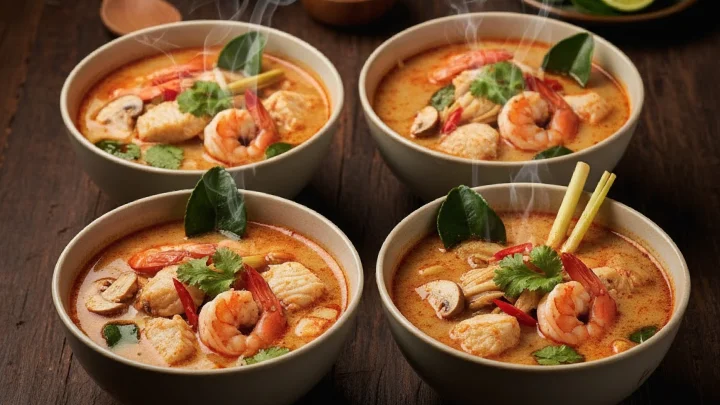
Table of Content
Classic Tom Yum Goong (Hot and Sour Prawn Soup)
Click here to see more portionsTom Yum is Thailand's liquid soul—a soup so perfectly balanced between hot, sour, salty, and sweet that it has become the benchmark against which all Thai cooking is measured. The name itself tells the story: "tom" means boiling, "yum" means mixed—a simple description of a profoundly complex dish. Born in Central Thailand along the Chao Phraya River where prawns were abundant, tom yum has evolved from humble fishing village food to Thailand's most internationally recognized dish, found everywhere from Bangkok street stalls to Michelin-starred restaurants worldwide. What makes tom yum extraordinary isn't complexity but precision—the delicate dance between fragrant herbs (lemongrass, galangal, kaffir lime leaves), fiery chilies, sour lime juice, and savory fish sauce creates a broth so aromatic and balanced that it somehow clears your sinuses, awakens your palate, and comforts your soul simultaneously. There are two main styles: tom yum nam sai (clear broth) and tom yum nam khon (creamy version with evaporated milk or coconut milk), though purists insist the clear version is the only authentic one. The soup should be intensely flavored yet refreshing, spicy yet not punishingly hot, sour yet balanced with subtle sweetness. This is Thai cooking philosophy in liquid form: harmony through contrast, intensity through balance, and the understanding that the best flavors come not from individual ingredients but from their careful, deliberate interaction.
| Ingredient | Amount |
|---|---|
| Prawns or Shrimp (shell-on) | 400g (large, head-on preferred) |
| Chicken Stock or Water | 1000ml (4 cups) |
| Lemongrass Stalks | 40g (3-4 stalks, bruised) |
| Galangal | 30g (thumb-sized piece, sliced) |
| Kaffir Lime Leaves | 5g (4-5 leaves, torn) |
| Thai Bird Chilies | 15g (5-8 chilies, crushed) |
| Shallots | 40g (2-3 shallots, halved) |
| Tomatoes (cherry) | 100g (halved) |
| Mushrooms (straw or oyster) | 150g (halved if large) |
| Fish Sauce | 45ml (3 tbsp) |
| Lime Juice | 60ml (¼ cup, freshly squeezed) |
| Palm Sugar or Brown Sugar | 10g (2 tsp) |
| Thai Roasted Chili Paste (Nam Prik Pao) | 30g (2 tbsp, optional) |
| Evaporated Milk or Coconut Milk | 100ml (optional, for creamy version) |
| Fresh Cilantro | 15g (for garnish) |
| Thai Basil | 10g (optional garnish) |
| Bird's Eye Chili (sliced) | 5g (for garnish) |
| Green Onions | 20g (sliced, for garnish) |
Instructions:
1. Prepare the Aromatics (The Foundation):
Tom yum's magic begins with proper preparation of its aromatic trinity: lemongrass, galangal, and kaffir lime leaves. These herbs aren't meant to be eaten—they infuse the broth with their essence and are left in the bowl for aroma. Cut the lemongrass stalks into 2-inch pieces, using only the bottom third (the tender part). Pound them firmly with the back of a knife or a pestle to bruise and release their aromatic oils—you should smell the bright, citrusy perfume immediately. Peel the galangal (it's tougher than ginger and has a more medicinal, piney flavor) and slice it thinly into coins about ¼ inch thick. Some cooks pound these too for maximum flavor release. Take the kaffir lime leaves and tear them roughly in half, releasing their distinctive citrus-floral aroma. The tearing releases oils from the veins—never cut them with a knife, which bruises improperly. Halve the shallots lengthwise. For the chilies, use Thai bird's eye chilies—small, fiery, and essential. Crush them with the flat of your knife or pound them lightly in a mortar to crack them open and release heat. The level of crushing determines spiciness: lightly crushed for moderate heat, fully pounded for mouth-numbing intensity.
2. Prepare the Prawns and Make Stock:
Authentic tom yum uses head-on, shell-on prawns for maximum flavor—the shells and heads contain all the umami. If your prawns have heads, twist them off and set aside. Peel the prawns, leaving the tail segment attached for presentation. Devein by making a shallow cut along the back and removing the dark vein. Reserve all the shells and heads—this is flavor gold. In your soup pot, add the prawn shells and heads (if you have them) to the chicken stock or water. Bring to a boil, then reduce to a simmer and cook for 10-15 minutes. This creates a rich, prawn-flavored base that elevates the entire soup. Strain the stock through a fine-mesh sieve, pressing on the solids to extract maximum flavor, then discard the shells and heads. Return the strained stock to the pot. If using pre-peeled prawns or if you want a simpler approach, you can skip this step and use plain chicken stock, though the flavor won't be quite as deep. Keep the peeled prawns refrigerated until needed—they cook quickly and should be added near the end.
3. Build the Aromatic Broth:
Bring your prepared stock to a rolling boil over high heat. Add the bruised lemongrass pieces, sliced galangal, torn kaffir lime leaves, and halved shallots. These aromatics need to boil vigorously to release their essential oils into the broth—gentle simmering won't extract enough flavor. Boil hard for 5-7 minutes, uncovered, allowing the broth to become intensely aromatic. Your kitchen should smell incredible—citrus, pine, and herbal notes filling the air. This aggressive boiling is traditional and necessary; it's one of the few times in cooking when hard boiling improves rather than damages the final dish. Add the crushed bird chilies—start with fewer if you're heat-sensitive; you can always add more. The chilies should bob in the boiling liquid, gradually releasing their fire. If using nam prik pao (Thai roasted chili paste), add it now and stir to dissolve. This paste adds depth, a hint of sweetness, and a beautiful reddish hue to the broth, though traditional clear tom yum omits it. The broth should be fragrant, slightly colored, and already making your nose tingle.
4. Add Vegetables:
Add the mushrooms to the boiling broth and cook for 2-3 minutes until just tender. Straw mushrooms are traditional—their slightly squeaky texture and mild flavor are perfect for tom yum—but oyster mushrooms, button mushrooms, or a mix work beautifully. The mushrooms should soften but retain some texture. Add the halved cherry tomatoes and cook for another minute—they should soften slightly and begin to break down, releasing their acidity and sweetness into the broth. The tomatoes serve multiple purposes: they add color, provide natural acidity that complements the lime, and contribute a subtle sweetness that balances the heat. Don't overcook them to mush; they should hold their shape while becoming tender. The vegetables should be cooked through but not obliterated—tom yum celebrates distinct elements in harmony rather than everything melting together.
5. Season with the Sacred Trinity:
Now comes the crucial balancing act that defines tom yum: fish sauce for saltiness and umami, palm sugar for sweetness and balance, and lime juice for sourness. Start with the fish sauce—add about 3 tablespoons (45ml), stir, and taste. The broth should taste pleasantly salty and savory but not overwhelmingly fishy. Add the palm sugar (or brown sugar if palm sugar is unavailable) and stir until dissolved. This isn't meant to make the soup sweet—it's about creating balance and rounding out harsh edges. The sugar should be barely perceptible, just enough to soften the acidity and heat. Taste again. The broth should be flavorful, aromatic, hot from chilies, but not yet balanced. Now add the lime juice—start with about ¼ cup (60ml) of freshly squeezed lime juice. Stir and taste immediately. This is the moment of transformation: the lime juice brightens everything, cuts through any heaviness, and brings all the flavors into sharp focus. The sourness should be pronounced but not puckering. Adjust the balance: more fish sauce for saltiness, more sugar if too sour or harsh, more lime if it tastes flat. Achieving perfect balance takes practice and tasting—trust your palate.
6. Cook the Prawns:
Once your broth is perfectly balanced, bring it back to a vigorous boil. Add the peeled prawns and cook just until they turn pink and opaque, about 2-3 minutes depending on size. Don't overcook—prawns should be tender and sweet, not rubbery and tough. They're done when they curl into a C-shape and are opaque throughout. If they curl into a tight O-shape, you've overcooked them. Remove the pot from heat immediately once the prawns are cooked—they'll continue cooking in the hot broth if you leave it on the stove. If making the creamy version (tom yum nam khon), add the evaporated milk or coconut milk now, stirring gently to incorporate. The milk should cloud the broth slightly and add richness without overwhelming the hot-sour-salty balance. Don't boil after adding milk or it may curdle—just heat through. Taste one final time and adjust seasoning if needed. The soup should be intensely aromatic, perfectly balanced between hot, sour, and salty, with prawns that are just cooked and tender.
7. Serve with Ceremony:
Ladle the hot tom yum into individual serving bowls, making sure each bowl gets an equal share of prawns, mushrooms, and tomatoes, along with some of the aromatic herbs floating in the broth. The lemongrass, galangal, and kaffir lime leaves are traditionally left in the soup—they're not meant to be eaten but continue perfuming the broth and look beautiful in the bowl. Diners will eat around them. Garnish generously with fresh cilantro leaves, sliced green onions, and if desired, Thai basil leaves. Add a few slices of fresh bird's eye chili on top for those who want extra heat and color. Some restaurants serve tom yum with a small dish of additional lime wedges, fish sauce, and crushed chilies on the side, allowing diners to adjust their own balance. Serve immediately while piping hot—the steam rising from the bowl should carry that intoxicating aroma of lemongrass and lime. Tom yum is traditionally served with steamed jasmine rice on the side, though it's substantial enough to be eaten as a soup course on its own.
8. The Art of Eating Tom Yum:
Proper tom yum consumption is an experience, not just a meal. Use a spoon and fork—Thai-style—with the spoon in your right hand as the primary utensil and the fork in your left to push food onto the spoon. Sip the broth, savor the aromatics, and navigate around the large pieces of lemongrass and galangal—they're for flavor, not eating. Squeeze additional lime over your bowl if you want more brightness. The first spoonful should make you gasp slightly—from heat, from sourness, from the intensity of flavor. Your nose should start running, your forehead might perspire, and you should feel simultaneously invigorated and soothed. Eat the prawns slowly, appreciating their tender sweetness against the spicy, sour broth. Take bites of plain jasmine rice between spoonfuls of soup to balance the intensity and showcase how rice moderates and complements strong flavors. Tom yum is meant to be eaten slowly, thoughtfully, with full attention to the interplay of flavors. This is Thai cooking philosophy in action: balance through contrast, harmony through intensity, and the understanding that the best meals engage all your senses at once.
Secrets from Thai Street Vendors:
- Fresh Herbs are Non-Negotiable: Tom yum depends entirely on the aromatic trinity of lemongrass, galangal, and kaffir lime leaves. These must be fresh—dried versions lack the essential oils that make tom yum distinctive. If you can't find galangal, ginger works in a pinch, though the flavor will be different (less medicinal, more warming). Never substitute regular lime zest for kaffir lime leaves.
- The Balance is Everything: Tom yum means "hot and sour mixed soup," and that balance—between spicy, sour, salty, and sweet—is what makes it magical. The secret is constant tasting and adjusting. No two batches should taste exactly the same because limes vary in acidity, chilies in heat, and fish sauce in saltiness. Trust your palate, not just measurements.
- Don't Skip the Prawn Shells: Making stock from prawn shells and heads adds exponentially more flavor than using plain stock. The umami from shellfish is irreplaceable. If you can get head-on prawns, even better—the heads contain the most intense flavor and can be split and roasted before adding to stock for even deeper taste.
- Clear vs Creamy: Traditional tom yum goong is clear (nam sai). The creamy version (nam khon) with evaporated milk or coconut milk is a more modern, tourist-friendly adaptation that's delicious but not traditional. Try both and choose your preference. The clear version showcases the herbs more; the creamy version is richer and slightly mellower.
- Nam Prik Pao Magic: Thai roasted chili paste (nam prik pao) adds complexity, color, and a subtle sweetness from caramelized shallots and garlic. It's not traditional in every version of tom yum but has become popular. Look for quality brands at Asian markets—it should be thick, dark, and smell of roasted chilies and shrimp paste.
- Heat Level Control: Control spiciness by crushing chilies more or less. Whole chilies in the broth add flavor with minimal heat. Crushed chilies release more capsaicin. Fully pounded chilies create inferno. Remove some chilies before serving if the broth becomes too hot. You can always add heat; you can't take it away.
- Variations on the Theme: Tom yum goong uses prawns, but the technique applies to other proteins: tom yum gai (chicken), tom yum pla (fish), tom yum talay (mixed seafood), or tom yum het (mushroom for vegetarians). Each variation follows the same hot-sour-salty-sweet balance with protein-specific adjustments.
- Serving Temperature Matters: Tom yum must be served piping hot. The volatile aromatic compounds in lemongrass and kaffir lime leaf dissipate as the soup cools. Lukewarm tom yum loses its magic—the balance seems off and the aromatics fade. Eat it hot or reheat it fully.
- The Lime Juice Timing: Add lime juice off heat at the very end. Prolonged cooking evaporates the delicate citrus aromatics and turns bright sourness into dull bitterness. Fresh lime juice added just before serving gives that characteristic bright, clean sourness that defines tom yum.
Thailand's Culinary Philosophy in a Bowl
Tom yum embodies the fundamental principles of Thai cuisine: balance, harmony, and the interplay of contrasting flavors. The Thai philosophy of "roi chat" (clear, distinct flavors) means that hot should be distinctly hot, sour intensely sour, salty clearly salty—but in perfect balance so no single element dominates. This is cooking as meditation and philosophy: adjusting, tasting, listening to your ingredients, and finding equilibrium. Tom yum originated in Central Thailand's fishing communities, where prawns were abundant and cooks developed ways to highlight their sweetness while using aromatic herbs to mask any fishiness. The dish spread throughout Thailand and became so iconic that it's now considered the national soup, served everywhere from roadside stalls to royal banquets. Every Thai cook has their own tom yum formula, passed down through families with fierce pride and secret adjustments. The soup has become so important culturally that debates about proper preparation—clear vs creamy, how much chili, whether to add nam prik pao—can become surprisingly heated. Tom yum is more than food in Thailand; it's cultural identity, culinary philosophy, and comfort wrapped into one steaming, aromatic bowl.
Tom yum proves that perfection doesn't require complexity—just impeccable balance and respect for ingredients. Through the careful orchestration of hot, sour, salty, and sweet, Thailand created a soup that simultaneously invigorates and soothes, challenges and comforts. Each spoonful, fragrant with lemongrass and bright with lime, tells the story of Thai culinary wisdom: that true harmony emerges not from avoiding contrast but from embracing it. Aroy mak mak!
Calculate Portions by Guest Count
Select the number of people you're serving to get precise measurements
Portions for
2 People
900 g total Tom-yum
Portions for
4 People
1800 g total Tom-yum
Portions for
6 People
2700 g total Tom-yum
Portions for
8 People
3600 g total Tom-yum
Portions for
10 People
4500 g total Tom-yum
Portions for
12 People
5400 g total Tom-yum
Portions for
15 People
6750 g total Tom-yum
Portions for
20 People
9000 g total Tom-yum
Portions for
30 People
13500 g total Tom-yum
Portions for
50 People
22500 g total Tom-yum
Portions for
75 People
33750 g total Tom-yum
Portions for
100 People
45000 g total Tom-yum
Portions for
200 People
90000 g total Tom-yum
Quick Reference Guide
450g
Per Serving
1800g
For 4 People
4500g
For 10 People
22.5kg
For 50 People
Related Categories
Pro Tips
- • Always prepare slightly more than calculated to account for hearty appetites
- • Consider the occasion: formal dinners typically require more precise portions
- • Account for side dishes when planning main course quantities
- • Store leftovers properly to minimize waste and extend freshness