Hummus Servings: Middle East's Creamy Chickpea Perfection
Calculate perfect portions of authentic Hummus. Master the Middle East's beloved dip with creamy chickpeas, tahini, lemon, and garlic!
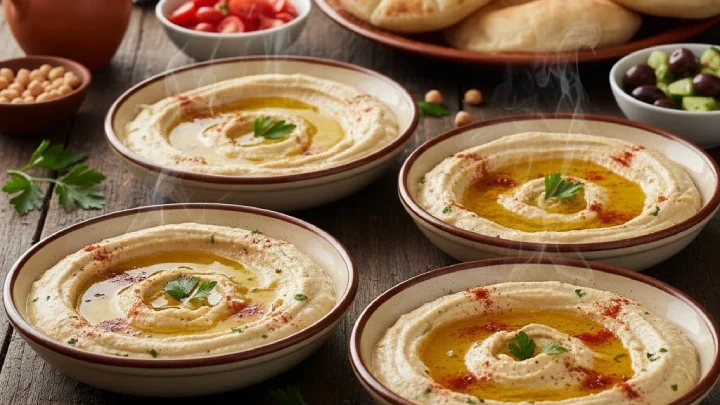
Table of Content
Traditional Middle Eastern Hummus
Click here to see more portionsHummus—the Arabic word meaning simply "chickpeas"—stands as one of the Middle East's most beloved and internationally recognized dishes, a creamy, nutty, tangy dip that transcends borders and unites the entire Levantine region in passionate devotion. This deceptively simple combination of cooked chickpeas, tahini (sesame paste), lemon juice, garlic, and olive oil transforms into something far greater than the sum of its parts when made with proper technique, quality ingredients, and understanding of texture. True hummus should be impossibly smooth and creamy—so silky it seems to melt on the tongue, light as clouds yet rich with nutty tahini and bright with lemon. The secret lies in patient chickpea cooking until they're falling-apart tender, sometimes removing skins for ultimate smoothness, using high-quality tahini that's runny rather than separated, and the crucial technique of adding ice water while blending to create an emulsion that's airy and voluminous. Across the Middle East, from Lebanon to Palestine, Syria to Jordan, Israel to Egypt, hummus traditions vary: some prefer more garlic, others more lemon; some swirl in extra tahini, others crown it with whole chickpeas, pine nuts, or spiced meat. But all agree on the fundamentals: hummus must be smooth, creamy, properly seasoned, and served with a generous crater of olive oil in the center. It's eaten as mezze before meals, as breakfast with warm pita, as a vehicle for vegetables, as comfort food, as celebration food, as everyday staple. Hummus represents Middle Eastern hospitality at its finest—simple ingredients elevated through technique into something that brings people together around shared plates, dipping warm bread, enjoying conversation, creating connection through food.
| Ingredient | Amount |
|---|---|
| For the Hummus Base: | |
| Dried Chickpeas | 500g (never use canned for authentic hummus) |
| Baking Soda | 10g (for soaking and cooking) |
| Tahini | 200g (high-quality, runny Lebanese or Palestinian tahini) |
| Lemon Juice | 120ml (freshly squeezed, about 3-4 lemons) |
| Garlic | 20g (about 4-5 cloves, adjust to taste) |
| Ground Cumin | 8g |
| Salt | 15g (to taste) |
| Ice Water | 150ml (secret to ultra-creamy texture) |
| For Serving and Garnish: | |
| Extra Virgin Olive Oil | 100ml (high-quality, fruity, for drizzling) |
| Paprika | 5g (sweet or smoked) |
| Sumac | 5g (tangy, lemony spice) |
| Za'atar | 10g (optional, for sprinkling) |
| Fresh Parsley | 30g (chopped) |
| Whole Chickpeas | 50g (reserved from cooking, for garnish) |
| Pine Nuts | 50g (toasted, optional) |
Instructions:
1. Soak the Chickpeas Overnight:
The foundation of exceptional hummus begins the night before with proper chickpea soaking. Never use canned chickpeas for authentic hummus—they lack the creamy texture and flavor of properly cooked dried chickpeas. Measure out the dried chickpeas and pick through them carefully, removing any stones, debris, or discolored beans. Place the chickpeas in a large bowl and add cold water to cover by at least 10cm—they'll expand significantly during soaking. Add half the baking soda (5g) to the soaking water; this alkaline environment softens the chickpea skins and reduces cooking time. Stir to dissolve. Cover the bowl and let soak at room temperature for at least 12 hours, preferably overnight. The chickpeas will double or even triple in size, absorbing water and beginning the softening process. After soaking, drain the chickpeas completely and rinse well under cold water. You'll notice the skins are already looser—this is good. Some Middle Eastern cooks take the extra step of rubbing the soaked chickpeas between their hands or in a towel to remove as many skins as possible before cooking. This is optional but creates even smoother hummus. The more patient you are with soaking, the creamier your final hummus will be—this step cannot be rushed.
2. Cook Chickpeas Until Fall-Apart Tender:
Transfer the soaked, drained chickpeas to a large pot. Add the remaining baking soda (5g) and enough cold water to cover by about 8cm. The baking soda is crucial—it raises the pH, softening chickpeas faster and more thoroughly, creating that melt-in-your-mouth texture essential to great hummus. Bring to a boil over high heat, skimming off any foam that rises to the surface. Once boiling, reduce heat to maintain a steady simmer. Do not cover the pot completely—leave it slightly ajar to allow steam to escape. Cook for 1 to 1.5 hours, checking occasionally and adding more water if the level drops below the chickpeas. The goal is chickpeas so tender they're falling apart, almost mushy—far softer than you'd cook them for salads. Test by pressing a chickpea between your fingers; it should smash instantly with no resistance. The skins should be sliding off easily. When done, the cooking liquid will be cloudy and starchy. Reserve about 1 cup of this cooking liquid before draining—it's gold for adjusting hummus consistency. Drain the chickpeas and, if you're pursuing ultimate smoothness, take time to peel them while still warm. Rub handfuls between your hands under running water, and the skins will float away. This is tedious but creates restaurant-quality, impossibly smooth hummus. Many home cooks skip this step and still achieve excellent results, but professional hummus makers almost always peel their chickpeas.
3. Prepare the Tahini Mixture:
While chickpeas are still warm (warm chickpeas blend smoother than cold), prepare your tahini mixture—this is where much of hummus's character develops. In a food processor or high-powered blender, add the tahini first. Quality tahini is everything here—look for Lebanese or Palestinian tahini that's runny, not separated and thick. Good tahini should pour easily and taste nutty, not bitter. Add the freshly squeezed lemon juice directly to the tahini. Process for about 1 minute. At first, the mixture will seize up and become thick and grainy—this is normal and expected. Keep processing. After about 30-45 seconds, it will suddenly transform, becoming smooth, creamy, and lighter in color. This magical moment is the tahini and lemon juice emulsifying. Now add the garlic cloves (you can adjust the amount based on your preference—traditional hummus can be quite garlicky), ground cumin, and salt. Process until the garlic is completely broken down and incorporated. Taste the mixture—it will be intensely flavored at this point, almost too lemony and garlicky. This is correct; the chickpeas will mellow these assertive flavors. If using raw garlic seems too strong for your taste, you can briefly microwave the peeled cloves for 10-15 seconds to take the edge off while maintaining flavor. The tahini-lemon base should be smooth, creamy, tangy, and aromatic.
4. Blend to Silky Perfection:
Add the warm, cooked (and ideally peeled) chickpeas to the food processor with the tahini mixture. Reserve a few tablespoons of whole chickpeas for garnish. Process the mixture, and here's where the magic happens. After about 30 seconds of blending, with the processor running, slowly drizzle in the ice-cold water. This is the secret professional technique that transforms good hummus into transcendent hummus. The cold water shocks the warm chickpeas and tahini, creating an emulsion that incorporates air, making the hummus voluminous, light, and incredibly creamy. Add the ice water gradually, processing constantly, until the hummus reaches your desired consistency. It should be smooth, fluffy, and pale—almost mousse-like. Process for a full 3-5 minutes total, scraping down the sides occasionally. Don't rush this step; the longer you blend, the smoother it becomes. If the hummus seems too thick, add some reserved cooking liquid or more ice water, a tablespoon at a time. If it seems too thin, add a bit more tahini or chickpeas. The texture should be creamy enough to spread easily but thick enough to hold a shape. When you lift the processor blade, the hummus should be so smooth it looks almost whipped. Taste and adjust seasoning—you may want more lemon juice, salt, cumin, or garlic. Remember that flavors will mellow slightly as it sits.
5. Rest and Bring to Room Temperature:
Transfer the hummus to a serving bowl or storage container. Here's a crucial step many people skip: let the hummus rest at room temperature for at least 30 minutes before serving, or refrigerate it for several hours. This resting period allows flavors to meld and develop. The lemon juice's sharpness softens, the garlic's bite mellows, the tahini's nuttiness blooms. Hummus served immediately after blending tastes good but lacks the depth and harmony of rested hummus. If you refrigerate it, remember to bring it back to room temperature before serving—cold hummus is dense and the flavors are muted. Traditional Middle Eastern hummus is always served at room temperature or even slightly warm. If the hummus thickens too much in the refrigerator (tahini tends to firm up when cold), stir in a bit of ice water, reserved cooking liquid, or olive oil to restore the creamy consistency. Give it a good stir before serving to reincorporate any separated liquids. The texture should be smooth, creamy, and spreadable—never stiff or separated. Some cooks prepare hummus a day ahead, finding the flavors even better after overnight refrigeration, but always bring it to room temperature and remix before serving.
6. Create the Traditional Presentation:
Presentation matters in Middle Eastern cuisine, and hummus is no exception. Transfer the creamy hummus to a wide, shallow serving plate or bowl—traditional hummus is served on flat plates rather than in deep bowls. Using the back of a large spoon, spread the hummus outward from the center, creating a smooth surface with raised edges. Then, using the spoon in a circular motion, create a wide, deep crater in the center—this well will hold the olive oil. The traditional pattern shows concentric swirls or ridges on the surface, created by dragging the spoon from center to edge. These aren't just decorative; the grooves hold olive oil and toppings. Now comes the generous drizzling: pour high-quality extra virgin olive oil into the center crater until it pools there, then drizzle more oil in lines across the ridges. Don't be shy—traditional hummus presentation involves a LOT of olive oil, often 3-4 tablespoons or more per serving. The oil isn't just garnish; it's an integral part of the dish, adding richness and carrying flavors. Scatter the reserved whole chickpeas in the center. Sprinkle paprika in patterns across the surface—some cooks create spoke patterns, others dust it around the edges. Add a pinch of sumac for tangy brightness and its beautiful burgundy color. Sprinkle za'atar if using. Garnish with chopped fresh parsley. For special occasions, top with toasted pine nuts. The final presentation should be beautiful: pale creamy hummus, golden olive oil pooled in the center, colorful spices creating patterns, fresh herbs adding brightness.
7. Serve in Traditional Middle Eastern Style:
Bring the beautiful hummus plate to the table along with accompaniments. Traditionally, hummus is served with warm pita bread, preferably freshly baked. The bread should be torn into pieces, not cut—each person tears off chunks and uses them to scoop up hummus. Raw vegetables are also traditional: cherry tomatoes, cucumber spears, radishes, crisp romaine lettuce hearts, carrots, bell pepper strips. Some serve pickles alongside—pickled turnips, cucumbers, or mixed vegetables. The eating style is communal: place the hummus in the center of the table, surrounded by bread and vegetables, and everyone dips from the shared plate. Use the bread or vegetables to scoop up generous amounts of hummus, making sure to get some of that precious olive oil from the center. Each bite should be a complete experience: creamy hummus, nutty tahini, bright lemon, rich olive oil, fresh vegetables or warm bread. Hummus is often served as part of a mezze spread with other small dishes—baba ganoush, tabbouleh, falafel, stuffed grape leaves—but it can absolutely be the star of a meal. In the Middle East, hummus is enjoyed at breakfast with warm bread and vegetables, as an appetizer before main meals, as a snack, as comfort food. It's appropriate for casual weeknight dinners and special celebrations alike. The empty plate at meal's end, scraped clean with the last piece of bread, is the ultimate compliment.
Middle Eastern Kitchen Secrets & Levantine Wisdom:
- Dried Chickpeas Are Non-Negotiable: Canned chickpeas can never achieve the creamy texture of properly cooked dried chickpeas. The cooking liquid from dried chickpeas also adds flavor and helps achieve perfect consistency.
- Baking Soda Is the Secret: Adding baking soda to soaking and cooking water dramatically softens chickpeas and loosens skins, creating smoother hummus. Don't skip this crucial step.
- Tahini Quality Matters Enormously: Cheap, thick, bitter tahini ruins hummus. Invest in high-quality Lebanese or Palestinian tahini that's runny, smooth, and nutty. Stir well before using as natural tahini separates.
- Ice Water Creates Creaminess: This professional trick emulsifies the mixture and incorporates air, creating light, fluffy, voluminous hummus. Cold water shocks warm chickpeas into submission.
- Peel for Ultimate Smoothness: Removing chickpea skins is tedious but creates restaurant-quality texture. Many home cooks skip it, but purists insist it's essential.
- Process Longer Than You Think: Don't rush the blending. Process for 3-5 full minutes for impossibly smooth texture. The longer you blend, the creamier it becomes.
- Room Temperature Is Essential: Cold hummus tastes muted and has dense texture. Always serve at room temperature. If refrigerated, let it sit out for 30-60 minutes before serving.
- Olive Oil Is Part of the Dish: That pool of olive oil in the center isn't optional garnish—it's an integral component. Use high-quality, fruity extra virgin olive oil generously.
- Balance Is Everything: Great hummus balances tahini's nuttiness, lemon's brightness, garlic's pungency, and salt. Taste and adjust until harmony is achieved.
- Regional Variations Abound: Lebanese hummus tends toward more tahini and lemon; Palestinian versions are often garlickier; Syrian hummus may include yogurt. All are valid and delicious.
- Hummus Loves Toppings: Traditional variations include hummus masabacha (with whole chickpeas and cumin), hummus with pine nuts and meat, hummus with ful (fava beans), and many more. The smooth base is a blank canvas.
- Fresh Is Always Better: Hummus is best eaten within 2-3 days. The flavors fade and texture changes over time. Make it fresh rather than storing for weeks.
Ancient Origins & Modern Beloved Status
Hummus's origins stretch back millennia to the ancient Levant, where chickpeas have been cultivated for over 7,000 years and tahini production dates to ancient Mesopotamia. The exact birthplace of hummus as we know it remains debated—Lebanon, Palestine, Syria, and other countries all claim it as their own national dish. Historical records mention chickpea and tahini pastes in medieval Arabic cookbooks from the 13th century, though the modern smooth version likely developed later. The dish spread throughout the Ottoman Empire and became a staple across the Middle East, with each region developing its own preferred proportions and variations. Hummus traditionally served as peasant food—cheap, nutritious, vegetarian, filling—but also appeared on royal tables, its simplicity celebrated rather than scorned. The 20th century saw hummus spreading globally, first to the Middle Eastern diaspora communities, then embraced by health-conscious Western eaters attracted to its protein, fiber, and plant-based profile. Today, hummus is a multi-billion-dollar global industry, sold in supermarkets worldwide, though purists rightly argue that mass-produced hummus bears little resemblance to the real thing. The best hummus remains that made in small shops and homes across the Middle East, where recipes pass through generations, each family insisting their grandmother's version is the finest. The ongoing debates about hummus's origins and proper preparation style reflect its importance as cultural identity and regional pride. What's certain is that hummus has become one of the world's most beloved foods—a testament to the power of simple ingredients, proper technique, and the universal appeal of creamy, delicious food that brings people together.
This silky, creamy, impossibly smooth chickpea perfection proves that simplicity, when executed with skill and quality ingredients, creates timeless food. Each velvety bite celebrates the Middle East's culinary wisdom and the joy of sharing delicious mezze with loved ones. صحتين! (To your health!)
Calculate Portions by Guest Count
Select the number of people you're serving to get precise measurements
Portions for
2 People
240 g total Hummus
Portions for
4 People
480 g total Hummus
Portions for
6 People
720 g total Hummus
Portions for
8 People
960 g total Hummus
Portions for
10 People
1200 g total Hummus
Portions for
12 People
1440 g total Hummus
Portions for
15 People
1800 g total Hummus
Portions for
20 People
2400 g total Hummus
Portions for
30 People
3600 g total Hummus
Portions for
50 People
6000 g total Hummus
Portions for
75 People
9000 g total Hummus
Portions for
100 People
12000 g total Hummus
Portions for
200 People
24000 g total Hummus
Quick Reference Guide
120g
Per Serving
480g
For 4 People
1200g
For 10 People
6kg
For 50 People
Related Categories
Pro Tips
- • Always prepare slightly more than calculated to account for hearty appetites
- • Consider the occasion: formal dinners typically require more precise portions
- • Account for side dishes when planning main course quantities
- • Store leftovers properly to minimize waste and extend freshness