Koshari Servings: Egypt's Beloved Street Food Classic
Calculate perfect portions of authentic Koshari. Master Egypt's national dish with rice, lentils, pasta, chickpeas, crispy onions, and spicy tomato sauce!
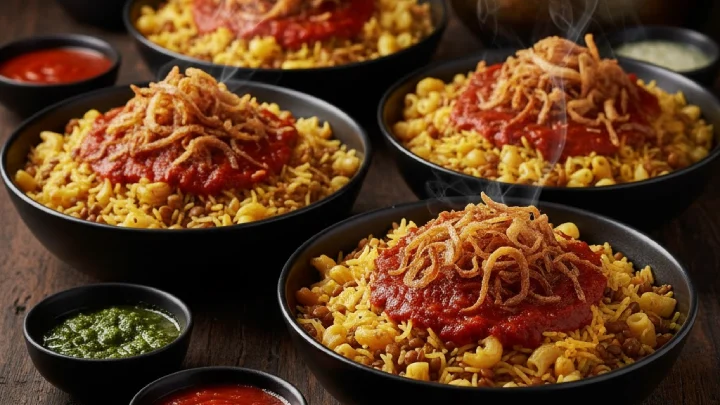
Table of Content
Traditional Egyptian Koshari
Click here to see more portionsKoshari stands as Egypt's undisputed national dish—a glorious, carb-loaded masterpiece born from humble ingredients transformed into street food perfection. This vegetarian wonder layers rice, lentils, pasta, and chickpeas into a hearty base, then crowns everything with tangy spiced tomato sauce, crispy fried onions, and fiery garlic-vinegar condiment called da'a. What makes koshari extraordinary isn't complexity but rather the genius of its assembly: each component cooked separately to ideal texture, then combined at serving for maximum contrast of soft grains against crispy onions, mild starches against assertive sauce. Egyptian street vendors serve koshari from massive copper pots in hole-in-the-wall shops throughout Cairo, Alexandria, and every Egyptian city, ladling portions into bowls with practiced speed, customers adding hot sauce according to their heat tolerance. The dish reflects Egypt's history as a crossroads: rice and lentils from ancient Egyptian cuisine, pasta from Italian influence during British colonial period, tomato sauce techniques from Mediterranean neighbors, all unified into something distinctly Egyptian. Koshari transcends class boundaries—equally beloved by laborers needing cheap, filling lunch and families seeking comfort food. It's the ultimate example of peasant food elevated through perfect execution: inexpensive ingredients, simple techniques, but when done right with properly caramelized onions, well-spiced sauce, and al dente pasta, koshari becomes transcendent. This is Egyptian soul food at its finest—proof that the best cuisine doesn't require expensive ingredients, just skill, care, and understanding of how flavors and textures create harmony.
| Ingredient | Amount |
|---|---|
| For the Rice and Lentils: | |
| Long-Grain Rice | 400g (Egyptian or basmati) |
| Brown Lentils | 200g (whole, not split) |
| Green Lentils | 150g (optional, for variety) |
| Vermicelli | 100g (broken into small pieces) |
| Butter | 40g |
| Salt | 10g (for cooking rice and lentils) |
| For the Pasta and Chickpeas: | |
| Elbow Macaroni | 200g (or small pasta shells, ditalini) |
| Chickpeas | 400g (cooked or 2 cans, drained) |
| Salt | 5g (for pasta water) |
| For the Tomato Sauce: | |
| Crushed Tomatoes | 800g (canned or fresh, pureed) |
| Tomato Paste | 120g (for depth and thickness) |
| Garlic | 40g (minced) |
| White Vinegar | 40ml |
| Ground Cumin | 10g |
| Ground Coriander | 10g |
| Ground Cinnamon | 5g |
| Cayenne Pepper | 5g (adjust to taste) |
| Sugar | 10g (balances acidity) |
| Salt | 5g |
| Vegetable Oil | 30ml |
| Bay Leaves | 2 |
| For the Crispy Onions: | |
| Onions | 600g (thinly sliced) |
| Vegetable Oil | 170ml (for frying) |
| For the Da'a (Garlic-Vinegar Sauce): | |
| Garlic | 20g (minced to paste) |
| White Vinegar | 20ml |
| Ground Cumin | 5g |
| Cayenne Pepper | 3g |
| Dried Chili Flakes | 5g |
| Salt | 5g |
| Water | 60ml |
| For Garnish: | |
| Fresh Cilantro | 30g (chopped, optional) |
| Fresh Parsley | 30g (chopped, optional) |
| Lemon Juice | 40ml (for serving) |
Instructions:
1. Cook the Lentils to Perfect Tenderness:
Begin with the lentils—they need the longest cooking time of all components. Rinse the brown and green lentils thoroughly under cold water, picking through to remove any stones or debris. In a medium saucepan, combine the lentils with enough cold water to cover by about 5cm. Add a generous pinch of salt. Bring to a boil over high heat, then reduce to a gentle simmer. Cook the brown lentils for 20-25 minutes until tender but still holding their shape—they should be cooked through but not mushy or falling apart. Green lentils may take slightly longer, 25-30 minutes. The key is al dente texture—you'll be layering these with other components, so they need structural integrity. Test by biting into a lentil; it should be tender with just slight resistance, not crunchy or chalky inside. Once perfectly cooked, drain well in a fine-mesh strainer and set aside. Do not rinse with cold water—you want them warm for assembly. Properly cooked lentils are crucial to koshari's success; undercooked lentils remain hard and unpleasant, while overcooked ones turn to mush and disappear into the dish. Egyptian cooks often cook lentils a day ahead, which actually improves their texture and makes assembly easier.
2. Prepare Rice with Toasted Vermicelli:
The rice-vermicelli combination is fundamental to koshari's texture and flavor. Rinse the long-grain rice thoroughly in several changes of cold water until the water runs clear—this removes excess starch and ensures fluffy, separate grains. In a medium pot with a tight-fitting lid, melt the butter over medium heat. Break the vermicelli into small 2-3cm pieces and add to the melted butter. Stir constantly, toasting the vermicelli until it turns deep golden brown—this takes 3-4 minutes and requires vigilance as it can burn quickly. This toasting is essential; it creates nutty, caramelized flavor that permeates the rice. Once the vermicelli reaches rich golden color, immediately add the rinsed rice, stirring to coat every grain with butter. Toast together for 1-2 minutes. Add water in a 1:1.5 ratio (for 400g rice, use 600ml water) and salt. Bring to a vigorous boil, then immediately reduce heat to lowest setting, cover tightly, and cook undisturbed for 15 minutes. After 15 minutes, turn off heat and let steam, still covered, for 10 more minutes. This resting period allows the rice to finish cooking in residual steam, ensuring perfectly fluffy grains. Finally, fluff gently with a fork, separating grains and distributing the golden vermicelli throughout. The rice should be tender, fluffy, each grain distinct, with nutty toasted pasta pieces scattered throughout.
3. Cook Pasta to Al Dente Perfection:
Bring a large pot of well-salted water to a rolling boil—the water should taste like the sea. Add the elbow macaroni and cook according to package directions, but subtract 1-2 minutes from the recommended time. You want distinctly al dente pasta with a firm bite, not soft or mushy. Koshari's pasta must hold its shape and texture when layered with rice and lentils, so undercooking slightly is better than overcooking. Stir occasionally to prevent sticking. When done, drain immediately in a colander—do not rinse, as the residual starch helps sauce adhere. Toss with a tiny drizzle of oil to prevent sticking if not using immediately, but ideally you'll use it right away while still warm. The pasta's texture provides essential contrast in koshari—slight firmness against softer rice and lentils. Egyptian street vendors cook massive batches of pasta constantly throughout the day, always maintaining perfect al dente texture. If your pasta overcooks and becomes soft, the entire dish suffers; that textural variety is what makes koshari special. Separately, if using canned chickpeas, drain and rinse them. If using dried chickpeas you cooked yourself, ensure they're tender and well-seasoned.
4. Create the Signature Tomato Sauce:
Koshari's tomato sauce must be intensely flavored, tangy, and well-spiced—it's the bold counterpoint to mild carbohydrates. In a medium saucepan, heat the vegetable oil over medium heat. Add the minced garlic and sauté for 30 seconds until fragrant but not browned—burnt garlic is bitter. Immediately add the tomato paste and cook, stirring constantly, for 2-3 minutes. This cooking deepens the tomato flavor and removes any raw, tinny taste. The paste should darken slightly and become aromatic. Add the crushed tomatoes, cumin, coriander, cinnamon, cayenne, black pepper, bay leaves, sugar, and salt. Stir well to combine all spices. Bring to a boil, then reduce to a gentle simmer. Cook uncovered for 20-25 minutes, stirring occasionally, until the sauce thickens and reduces by about one-third. The sauce should coat the back of a spoon and have concentrated flavor. Now add the white vinegar—this is crucial. The vinegar's tanginess brightens the sauce and cuts through the richness of the dish. Taste and adjust seasoning; the sauce should be bold, tangy, slightly spicy, with warming spices evident. It should be assertive enough to stand up to the mild base ingredients. Remove bay leaves. This sauce can be made ahead and actually improves with time as flavors meld. Egyptian koshari sauce is never subtle—it's meant to be punchy and exciting.
5. Fry Onions to Crispy Perfection:
The crispy fried onions are koshari's crowning glory—their sweet, crunchy, caramelized deliciousness provides textural and flavor contrast that elevates the entire dish from ordinary to extraordinary. Peel and slice the onions as thinly and evenly as possible—use a mandoline if you have one for uniform slices. Thinner slices crisp better. Pat the onion slices dry with paper towels; excess moisture prevents proper crisping. In a large, deep skillet or wok, heat the vegetable oil over medium-high heat until shimmering—you need enough oil for the onions to swim freely, about 2-3cm deep. Test with one onion slice; it should sizzle immediately. Working in batches to avoid overcrowding, add onions to the hot oil. Fry, stirring frequently with a slotted spoon, for 10-15 minutes. Initially they'll seem soft and pale, but patience pays off. As they cook, they'll turn golden, then deeper brown. Watch carefully toward the end—the difference between perfectly caramelized and burnt is seconds. You want deep golden-brown color with some darker crispy bits, but not black. When they reach perfect color, immediately remove with a slotted spoon and drain on paper towels. They'll continue darkening slightly as they cool and will crisp up more. Season lightly with salt while still hot. These onions are labor-intensive but absolutely essential—there are no shortcuts. Store-bought fried onions lack the sweet, caramelized intensity of fresh-made.
6. Make the Fiery Da'a Sauce:
Da'a is koshari's secret weapon—a potent garlic-vinegar-cumin sauce that adds fierce heat and flavor. This condiment is optional but traditional, allowing each diner to control their spice level. In a small bowl, combine the minced garlic (or better yet, garlic crushed to a paste with salt), white vinegar, cumin, cayenne pepper, chili flakes, and salt. Mix thoroughly. Add water to thin to pourable consistency—it should be liquid but not watery, concentrated but not thick. The mixture should be intensely garlicky, sharply acidic from vinegar, warming from cumin, and fiery from cayenne and chili flakes. This is not a subtle condiment; it's meant to wake up your palate and add excitement to each bite. Start with less chili if you're heat-sensitive; you can always add more. Let the da'a sit for at least 10 minutes to allow flavors to meld—the garlic mellows slightly and spices bloom. Some Egyptian cooks add a splash of the tomato sauce to da'a for body and color, creating a bridge between the two sauces. Traditional koshari shops have bottles of da'a on every table, often with different heat levels. Diners add it sparingly at first—a few drops go a long way—then adjust according to preference. This fiery condiment is what separates timid koshari from the real deal.
7. Warm the Chickpeas:
If using canned chickpeas, they just need gentle warming and light seasoning. Place the drained chickpeas in a small saucepan with a few tablespoons of water, a pinch of salt, and optionally a small pinch of cumin. Warm over medium-low heat for 3-4 minutes, stirring occasionally, until heated through. You want them warm but not mushy. If you cooked dried chickpeas from scratch, ensure they're tender and well-seasoned before this point. The chickpeas add protein, texture, and substance to koshari—their creamy interior and slightly firm skin provide yet another textural element in this dish of contrasts. Some Egyptian cooks add chickpeas to the lentils during cooking, but keeping them separate allows better control of each component's texture. The chickpeas should be soft enough to crush easily between your fingers but not falling apart. Drain any excess liquid before assembly. While chickpeas aren't the star of koshari, they're an essential supporting player, adding heartiness and making the dish more nutritionally complete and satisfying.
8. Assemble with Strategic Layering:
Assembly is where koshari transforms from separate components into a unified dish. The traditional method involves strategic layering that ensures every bite contains multiple textures and flavors. In individual wide, shallow bowls or on a large serving platter, begin with a base layer of rice—this is your foundation. Spread it evenly to create a stable platform. Next, add a layer of lentils over the rice, distributing them evenly. Then add the pasta, spreading it across the lentils. Finally, scatter the warm chickpeas over the top. This layering isn't just aesthetic; it ensures each serving contains all components in proper proportions. Now comes the saucing: generously ladle the hot tomato sauce over the entire assembly, ensuring it seeps down through the layers. The sauce should be abundant—koshari should be moist and saucy, not dry. Many Egyptian vendors add so much sauce that it pools around the edges. Don't be shy with it. Now crown everything with a generous mound of those precious crispy fried onions, piling them high in the center. The contrast is immediate: golden-brown crispy onions against red tomato sauce against pale rice and pasta. If using fresh herbs, sprinkle cilantro and parsley over the top for color and freshness. The assembly should look abundant, generous, inviting—a mountain of carbohydrates and sauce topped with crispy onions. At the table, provide the da'a sauce in a small bowl or cruet so diners can add heat according to preference, plus lemon wedges for brightness.
9. Serve Immediately for Best Experience:
Koshari must be served immediately after assembly to maintain the crucial contrast between hot, soft components and crispy onions. Once assembled, those beautiful fried onions begin absorbing moisture from the sauce and will lose their crispness within minutes—this is the narrow window of koshari perfection. Bring the steaming bowls to the table right away. Provide spoons for eating—koshari is not finger food despite its street food origins. Each diner should stir their portion, mixing the layers together so every spoonful contains rice, lentils, pasta, chickpeas, sauce, and crispy onions. This mixing is essential; unstirred koshari doesn't work—the magic happens when components meld. Add da'a sauce drop by drop, tasting between additions, until you reach your desired heat level. Squeeze fresh lemon juice over the top for brightness that cuts through richness. The eating experience should be complex: soft, tender starches; creamy lentils and chickpeas; tangy, spiced tomato sauce; sweet, crunchy caramelized onions; sharp garlic-vinegar heat from da'a; fresh lemon brightness. Each bite should deliver multiple textures and flavors simultaneously. Koshari is humble food elevated through perfect execution and component harmony. Egyptian street vendors serve this in minutes, their practiced movements assembling hundreds of portions daily. At home, take your time but serve quickly once assembled. This is comfort food that satisfies on every level—filling, flavorful, textured, warming, and deeply satisfying.
Egyptian Street Food Secrets & Cairo Kitchen Wisdom:
- The Assembly Order Matters: Always layer rice first (base), then lentils, then pasta, then chickpeas, then sauce, then onions. This order ensures even distribution and proper sauce absorption. Egyptian vendors have this down to muscle memory.
- Onions Are Everything: The crispy fried onions are non-negotiable. They're the most labor-intensive component but absolutely essential. Without them, you just have mixed starches with sauce—with them, you have koshari. Never skip them or use store-bought substitutes.
- Component Separation is Key: Cook each element separately to its ideal texture. Combining during cooking results in mushy uniformity. The genius is in perfect individual execution, then combining at the last moment.
- Sauce Should Be Bold: The tomato sauce must be intensely flavored—tangy, spiced, concentrated. It's fighting against a lot of mild carbohydrates, so subtlety fails. Egyptian koshari sauce is always assertive and vinegary.
- Da'a Is Optional But Traditional: Not everyone loves fiery garlic-vinegar sauce, but it's authentic. Offering it lets diners customize heat level. Some Cairo shops have multiple da'a versions from mild to explosive.
- Rice Quality Counts: Use good long-grain rice that cooks up fluffy and separate. Egyptian rice is ideal but basmati works well. Short-grain or sticky rice ruins the texture you're aiming for.
- The Vermicelli Trick: Toasting vermicelli in butter before adding rice creates nutty depth and golden color throughout the rice. This is an Egyptian staple technique used in many rice dishes beyond koshari.
- Timing the Crispy Onions: Fry onions last if possible, or keep them in a warm oven to maintain crispness. The moment they hit sauce they start softening, so add them right before serving.
- Leftovers Strategy: Store components separately if possible. Reheat and reassemble rather than storing assembled koshari, which becomes soggy. Always add fresh fried onions when reheating.
- Regional Variations Exist: Some add rice to lentils while cooking; some skip chickpeas; some add different spices to sauce. But rice, lentils, pasta, tomato sauce, and crispy onions are universal constants.
- Street Food Excellence: The best koshari comes from tiny shops that make nothing else, perfecting their craft over decades. These specialists understand exact timing and seasoning that home cooks can approximate but rarely match.
- Vegetarian Protein Power: Koshari's combination of rice, lentils, and chickpeas creates complete protein. It's accidentally vegan (if you skip butter or use oil) and incredibly nutritious despite being pure comfort food.
Birth of a National Dish: Koshari's Fascinating Origins
Koshari's history reflects Egypt's position as a crossroads of civilizations and cultures. The dish emerged in the mid-19th century, though its exact origins remain debated. Most food historians trace koshari to Egyptian workers and street vendors who needed cheap, filling, nutritious meals. The name likely derives from the Hindi "khichri" (a rice-lentil dish), suggesting Indian influence brought by British colonial presence in both regions. Rice and lentils formed Egypt's ancient staples, but pasta arrived during the Italian community's prominence in late-1800s Egypt and British colonial influence. The genius was combining these elements—ancient Egyptian ingredients (rice, lentils) with newer imports (pasta, tomatoes)—into something distinctly Egyptian. Initially, koshari was humble street food for laborers and working-class Egyptians. Vendors sold it from massive copper pots in Cairo's streets and alleys, serving workers needing substantial, cheap lunch. Over time, koshari transcended class boundaries, becoming beloved nationwide. By the mid-20th century, specialized koshari shops emerged—small restaurants serving nothing but koshari, each with loyal followings and secret recipes passed through generations. The dish's democratic nature appealed across Egyptian society: poor laborers ate it for sustenance, while wealthy families enjoyed it as comfort food. Today, koshari remains Egypt's most popular street food and a source of national pride. Egyptians debate endlessly about which Cairo shop serves the best koshari. The dish represents Egyptian ingenuity—taking disparate ingredients from different culinary traditions and creating something uniquely Egyptian, delicious, and deeply satisfying. It's proof that the best cuisine emerges from necessity, creativity, and the alchemy of combining simple ingredients with skill and understanding.
This glorious carbohydrate celebration proves that humble ingredients, when executed with care and combined with perfect timing, create something extraordinary. Each layered, saucy, crispy bite celebrates Egyptian street food genius and the art of building complexity from simplicity.(Enjoy and bon appetit!)
Calculate Portions by Guest Count
Select the number of people you're serving to get precise measurements
Portions for
2 People
900 g total Koshari
Portions for
4 People
1800 g total Koshari
Portions for
6 People
2700 g total Koshari
Portions for
8 People
3600 g total Koshari
Portions for
10 People
4500 g total Koshari
Portions for
12 People
5400 g total Koshari
Portions for
15 People
6750 g total Koshari
Portions for
20 People
9000 g total Koshari
Portions for
30 People
13500 g total Koshari
Portions for
50 People
22500 g total Koshari
Portions for
75 People
33750 g total Koshari
Portions for
100 People
45000 g total Koshari
Portions for
200 People
90000 g total Koshari
Quick Reference Guide
450g
Per Serving
1800g
For 4 People
4500g
For 10 People
22.5kg
For 50 People
Related Categories
Pro Tips
- • Always prepare slightly more than calculated to account for hearty appetites
- • Consider the occasion: formal dinners typically require more precise portions
- • Account for side dishes when planning main course quantities
- • Store leftovers properly to minimize waste and extend freshness