Charquicán Servings: Chilean Beef & Potato Hash
Calculate perfect portions of authentic Charquicán. Master Chile's hearty comfort dish with ground beef, potatoes, pumpkin, and vegetables in rich stew!
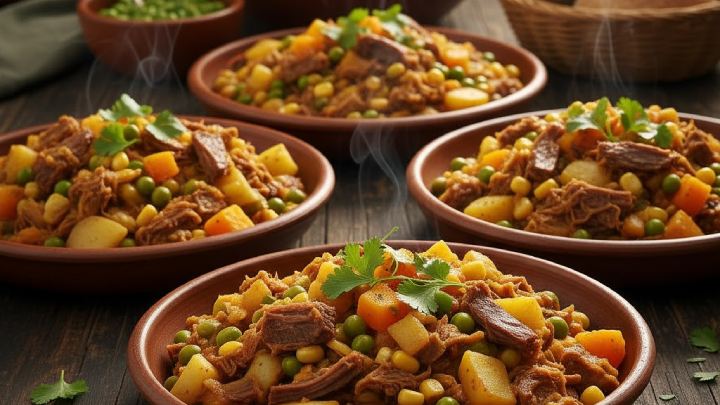
Table of Content
Traditional Chilean Charquicán
Click here to see more portionsCharquicán stands as one of Chile's most beloved comfort foods—a hearty, rustic hash of ground beef, potatoes, pumpkin, and vegetables that exemplifies the country's talent for transforming humble ingredients into soul-warming sustenance. The name derives from the Quechua word "charqui" (dried meat) and "kan" (with), originally referring to a dish made with charqui (jerky), though modern versions typically use fresh ground beef or leftover cooked meat. This is quintessential Chilean home cooking: practical, economical, nourishing, and deeply satisfying. Charquicán belongs to the family of picadillos found throughout Latin America—finely chopped or ground meat dishes—but Chile's version distinguishes itself through the addition of sweet pumpkin (zapallo) and the characteristic mashing of some ingredients to create a thick, cohesive mixture rather than a soup. The texture is unique: partially mashed potatoes and pumpkin create a creamy base that binds everything together, while chunks of vegetables add texture and color. It's the kind of dish Chilean mothers and grandmothers make when the weather turns cold, when family needs comfort, or when the budget is tight but bellies need filling. Traditionally topped with a fried egg (huevo frito), charquicán delivers complete nutrition and satisfaction in one bowl, proving that the best comfort foods are often the simplest, most honest preparations that carry the warmth of home.
| Ingredient | Amount |
|---|---|
| For the Base: | |
| Ground Beef | 800g (80/20 blend, or leftover cooked beef) |
| Onions | 300g (finely diced) |
| Garlic Cloves | 20g (about 4 cloves, minced) |
| Vegetable Oil | 60ml |
| For the Vegetables: | |
| Potatoes | 800g (peeled, cut into 2cm cubes) |
| Pumpkin | 400g (zapallo, peeled, cut into cubes) |
| Carrots | 300g (peeled, diced) |
| Green Beans | 200g (trimmed, cut into 2cm pieces) |
| Corn Kernels | 200g (fresh or frozen) |
| For Seasoning & Liquid: | |
| Tomato Paste | 40g (concentrated) |
| Beef Stock | 600ml (or water) |
| Ground Cumin | 10g (essential for Chilean flavor) |
| Paprika | 8g (sweet or smoked) |
| Dried Oregano | 5g |
| Bay Leaves | 2g (2 leaves) |
| Black Pepper | 5g (freshly ground) |
| Salt | 15g (to taste) |
| Merkén | 10g (optional, Chilean smoked chili) |
| For Serving: | |
| Fried Eggs | 400g (8 eggs, fried sunny-side up) |
| Fresh Parsley | 30g (chopped) |
| Fresh Cilantro | 20g (chopped) |
Instructions:
1. Prepare Vegetables with Uniform Sizing:
The success of charquicán depends on having vegetables cut to similar sizes so they cook evenly. Peel the potatoes and cut into 2cm cubes—not too small or they'll disintegrate completely, not too large or they won't cook through in time. Peel the pumpkin (zapallo) and cut into similar-sized cubes; Chilean pumpkin is dense and sweet like kabocha or butternut squash. Peel and dice the carrots into slightly smaller pieces as they're harder and take longer to cook. Trim the green beans and cut into 2cm lengths. If using fresh corn, cut the kernels from the cob; frozen corn works well too. Finely dice the onions—they'll cook down and almost disappear, adding sweetness and body to the dish. Mince the garlic finely. Having everything prepped and ready before you start cooking makes the process smooth and ensures even cooking throughout. This mise en place approach is particularly important for one-pot dishes like charquicán.
2. Build Flavor Foundation with Sofrito:
Heat the vegetable oil in a large, heavy-bottomed pot or Dutch oven over medium-high heat. Add the finely diced onions with a pinch of salt and cook for 6-8 minutes, stirring frequently, until softened and beginning to turn golden. The onions should become sweet and translucent—this is your flavor foundation. Add the minced garlic, cumin, paprika, and oregano, stirring constantly for 1-2 minutes until the spices are fragrant and toasted—you'll smell the warm, earthy aromas filling your kitchen. Be careful not to burn the garlic or spices; they can turn bitter quickly. This sofrito base is common in Chilean cooking and provides the aromatic backbone for the entire dish. The generous cumin is characteristic of Chilean cuisine and gives charquicán its distinctive flavor profile that sets it apart from similar dishes in other countries.
3. Brown the Beef for Depth:
Add the ground beef to the pot, breaking it up with a wooden spoon or spatula. Cook over medium-high heat, stirring occasionally, for 8-10 minutes until the meat is browned and cooked through. You want some caramelization on the meat for deeper flavor—don't stir constantly or it will steam rather than brown. Season with salt and black pepper. If the beef releases a lot of fat, you can drain some (but not all) of it, leaving enough for flavor and moisture. If using leftover cooked beef instead of ground beef (a traditional way to use leftovers), shred or chop it finely and add it now, just heating it through for a few minutes. The browned beef should be well-seasoned and aromatic, integrated with the onions and spices. Some Chilean families make charquicán specifically as a way to use leftover asado (grilled meat) from Sunday barbecues—nothing goes to waste in traditional Chilean kitchens.
4. Add Tomato Paste and Develop Richness:
Stir in the tomato paste, mixing it thoroughly with the beef and onion mixture. Cook for 2-3 minutes, stirring frequently, until the tomato paste darkens slightly and loses its raw taste. This step concentrates the tomato flavor and adds color and depth to the dish. The tomato paste should coat everything evenly, creating a rich, reddish-brown mixture. Add the bay leaves and black pepper. The mixture should smell savory, slightly sweet from the onions, and deeply aromatic from the spices and concentrated tomato. This is the flavor base that will permeate all the vegetables as they cook together. Some cooks add a splash of red wine at this stage for extra depth, though it's not traditional—feel free to experiment.
5. Layer in Vegetables and Create the Stew:
Now add all the prepared vegetables: the cubed potatoes, pumpkin chunks, diced carrots, green beans, and corn kernels. Stir everything together to coat the vegetables with the seasoned beef mixture. Pour in the beef stock or water—it should almost cover the vegetables but not completely submerge them. You want enough liquid for the vegetables to cook through and create a thick sauce, but not so much that it becomes soup. Bring to a boil over high heat, then reduce to a medium-low simmer. Cover the pot with a lid slightly ajar to allow some steam to escape. Cook for 25-30 minutes, stirring occasionally, until all vegetables are completely tender—the potatoes should be soft enough to mash easily, and the pumpkin should be breaking down. The carrots should be tender, and the green beans should be cooked through but still have some texture. The liquid should reduce and thicken as the vegetables release their starches.
6. Create the Characteristic Texture:
Here's where charquicán gets its distinctive texture that sets it apart from other stews. Using a potato masher or large fork, roughly mash about half of the potatoes and pumpkin directly in the pot—not everything, just portions of them. The goal is to break down some of the vegetables to create a thick, cohesive mixture that binds everything together, while leaving enough intact pieces for texture. The pumpkin will mash easily and add sweetness and creaminess to the sauce. The mashed potatoes add body and starchiness that thickens the mixture. After mashing, stir everything together thoroughly. The consistency should be thick and hearty—somewhere between a stew and a hash, definitely not soupy but not dry either. If it seems too dry, add a splash more stock. If too liquidy, simmer uncovered for a few minutes to reduce. Taste and adjust seasoning with salt, pepper, and cumin if needed. Remove the bay leaves.
7. Let Flavors Meld and Rest:
Remove the pot from heat and let the charquicán rest for 5-10 minutes before serving. This resting period allows all the flavors to settle and meld together—the spices integrate, the vegetables finish absorbing the seasoned liquid, and the texture sets slightly. The charquicán should be thick enough to mound on a plate but still moist and cohesive. During this time, the residual heat continues cooking gently, and the starches from the mashed potatoes and pumpkin create that perfect binding texture. Many Chileans actually think charquicán is even better the next day after the flavors have had overnight to meld completely—it's one of those dishes that improves with time. If making ahead, let it cool completely, refrigerate, and reheat gently with a splash of water or stock to restore moisture.
8. Fry Perfect Eggs for Topping:
While the charquicán rests, prepare the traditional topping: fried eggs. In a large skillet, heat a thin layer of oil or butter over medium heat. Crack eggs into the pan carefully, one or two at a time depending on pan size. Fry them sunny-side up until the whites are completely set but the yolks remain runny—this should take about 3-4 minutes. The edges of the whites can get slightly crispy and golden, which adds nice texture. Some Chileans prefer their eggs fully cooked with firm yolks, others want them runny—both are acceptable. The runny yolk is traditional and wonderful because it mixes into the charquicán when you eat it, adding richness and creating a sauce. Season the eggs lightly with salt and pepper. You need one egg per serving. The combination of hearty, savory charquicán topped with a rich fried egg is classic Chilean comfort food at its finest—economical, filling, and completely satisfying.
9. Serve with Traditional Accompaniments:
Spoon generous portions of the thick, hearty charquicán into wide, shallow bowls or plates—it should mound slightly rather than spread flat. Top each serving with a perfectly fried egg placed prominently in the center. Sprinkle with fresh chopped parsley and cilantro for brightness and color. If using merkén, offer it at the table so people can add the smoky, spicy kick to taste. Serve with fresh Chilean bread (marraqueta) on the side for soaking up every bit of the delicious mixture and runny yolk. Some families serve charquicán with a simple tomato and onion salad (ensalada chilena) on the side for freshness and acidity that cuts through the richness. When eating, break the yolk and let it run into the charquicán, mixing everything together—the combination of savory beef, sweet pumpkin, starchy potatoes, vegetables, and rich egg yolk creates complete comfort. This is the kind of meal that warms you from the inside out, fills you up completely, and reminds you why simple, honest cooking is often the most satisfying.
Chilean Kitchen Wisdom & Charquicán Traditions:
- The Leftover Legacy: Traditional charquicán used charqui (dried meat) or leftover cooked meat from previous meals. This heritage as a "use everything" dish reflects Chilean resourcefulness and the fact that nothing goes to waste in traditional kitchens.
- Zapallo is Essential: The sweet pumpkin (zapallo) isn't optional—it's what gives charquicán its characteristic sweetness and creamy texture. Use kabocha, butternut squash, or similar dense, sweet squash varieties.
- The Mashing Technique: Partially mashing the vegetables is crucial for authentic texture. Don't puree everything smooth, and don't leave everything chunky—the combination creates the perfect consistency.
- Cumin is the Signature: As with most Chilean dishes, cumin provides the distinctive flavor profile. It should be noticeable but balanced with other spices.
- The Egg is Traditional: While you can eat charquicán without the fried egg, it's traditional and transforms the dish. The runny yolk adds richness and creates a sauce that ties everything together.
- Consistency Matters: Charquicán should be thick and cohesive—not soupy like stew, not dry like hash, but perfectly in between. The mashed vegetables create natural binding.
- Seasonal Flexibility: While this recipe includes standard vegetables, charquicán adapts to what's available. Some versions include peas, bell peppers, or other seasonal vegetables.
- Make-Ahead Friendly: Charquicán actually improves overnight as flavors meld. Make a big batch and reheat portions throughout the week—it's perfect weeknight comfort food.
- Protein Variations: While beef is most common, some regions use lamb, others use chicken or turkey. The cooking method remains the same regardless of protein choice.
- Regional Pride: Every Chilean region claims their version is best, with slight variations in vegetables, spicing, and thickness. All are authentic expressions of local tradition.
Chilean Heritage & Comfort Food Culture
Charquicán's origins trace back to indigenous Andean cooking, where dried meat (charqui) was a staple protein that could be stored and transported easily across the harsh mountain terrain. The Quechua and Aymara peoples developed various dishes using charqui, potatoes (native to the Andes), and available vegetables. When Spanish colonizers arrived, they influenced the preparation by introducing new spices, cooking techniques, and eventually fresh meat. Modern charquicán evolved from this fusion, becoming a everyday Chilean dish that embodies the country's agricultural abundance and practical cooking philosophy. It represents honest, working-class cuisine—the kind of food that sustained miners in the north, farmers in the central valley, and families throughout the country. Charquicán appears at Chilean tables when mothers need to feed hungry families economically, when weather turns cold and bodies need warming, or when comfort is needed and only grandmother's cooking will do. It's not fancy or refined, but that's precisely its charm—charquicán is real food for real people, unpretentious yet deeply satisfying. The dish also reflects Chilean values of not wasting anything: it's traditionally a way to use up leftover meat and whatever vegetables are on hand, transforming odds and ends into something nourishing and delicious. Today, it remains a staple of Chilean home cooking, rarely found in restaurants but present in virtually every family's recipe collection, passed down through generations with slight variations that make each family's version special.
This hearty, humble dish proves that comfort food needs no fancy ingredients—just honest cooking, quality basics, and the warmth of tradition. Each satisfying spoonful carries Chilean home cooking at its most genuine. ¡Buen provecho!
Calculate Portions by Guest Count
Select the number of people you're serving to get precise measurements
Portions for
2 People
800 g total Charquican
Portions for
4 People
1600 g total Charquican
Portions for
6 People
2400 g total Charquican
Portions for
8 People
3200 g total Charquican
Portions for
10 People
4000 g total Charquican
Portions for
12 People
4800 g total Charquican
Portions for
15 People
6000 g total Charquican
Portions for
20 People
8000 g total Charquican
Portions for
30 People
12000 g total Charquican
Portions for
50 People
20000 g total Charquican
Portions for
75 People
30000 g total Charquican
Portions for
100 People
40000 g total Charquican
Portions for
200 People
80000 g total Charquican
Quick Reference Guide
400g
Per Serving
1600g
For 4 People
4000g
For 10 People
20kg
For 50 People
Related Categories
Pro Tips
- • Always prepare slightly more than calculated to account for hearty appetites
- • Consider the occasion: formal dinners typically require more precise portions
- • Account for side dishes when planning main course quantities
- • Store leftovers properly to minimize waste and extend freshness