Chicken Tikka Masala Servings: Indian Restaurant Classic
Calculate perfect portions of authentic Chicken Tikka Masala. Master Britain's favorite curry with tender tandoori chicken in a rich, creamy tomato sauce!
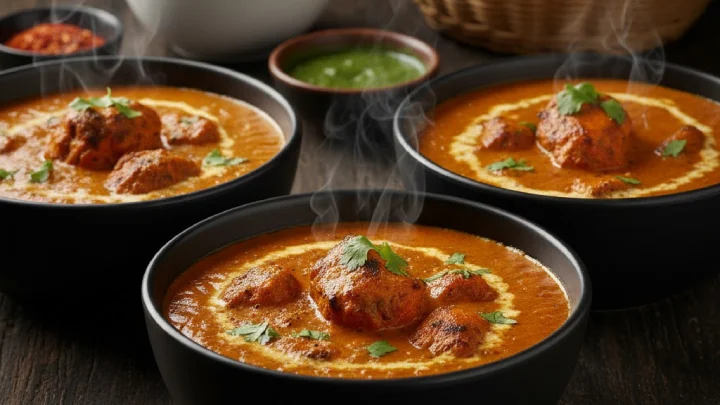
Table of Content
Restaurant-Style Chicken Tikka Masala
Click here to see more portionsChicken Tikka Masala reigns as Britain's most beloved curry and one of the world's most popular dishes—a glorious marriage of tender, tandoori-spiced chicken pieces swimming in a velvety, aromatic tomato-cream sauce. While its exact origins spark friendly debate between India and Britain, there's no dispute about its universal appeal. The dish delivers everything curry lovers crave: charred, smoky chicken with layers of warm spices, enveloped in a sauce that balances tangy tomatoes, luxurious cream, and a symphony of aromatics. Each spoonful offers complexity—the warmth of garam masala, the earthiness of cumin, the subtle sweetness of caramelized onions, and that distinctive tang from yogurt and tomatoes. Whether served in a Glasgow curry house or a Mumbai restaurant, chicken tikka masala represents the beautiful fusion of Indian culinary technique with British palate preferences, creating something truly transcendent that has captured hearts worldwide.
| Ingredient | Amount |
|---|---|
| For the Chicken Marinade: | |
| Chicken Breast | 800g (boneless, cut into chunks) |
| Plain Yogurt | 200g (full-fat) |
| Lemon Juice | 30ml (fresh) |
| Ginger Paste | 20g |
| Garlic Paste | 20g |
| Garam Masala | 4g |
| Ground Cumin | 3g |
| Kashmiri Chili Powder | 2g (for color and mild heat) |
| Salt | 5g |
| For the Masala Sauce: | |
| Butter | 80g |
| Vegetable Oil | 30ml |
| Onions | 300g (2 large, finely chopped) |
| Ginger Paste | 10g (additional) |
| Garlic Paste | 10g (additional) |
| Ground Coriander | 6g |
| Ground Cumin | 3g |
| Turmeric | 4g |
| Kashmiri Chili Powder | 2g |
| Garam Masala | 4g |
| Tomato Puree | 400g (canned or fresh) |
| Tomato Paste | 50g |
| Heavy Cream | 200ml |
| Fenugreek Leaves (Kasuri Methi) | 5g (dried, crushed) |
| Sugar | 8g |
| Salt | 5g (to taste) |
| Fresh Cilantro | 20g (for garnish) |
Instructions:
1. Marinate the Chicken:
This step is foundational for achieving tender, flavorful chicken with that characteristic tandoori taste. Cut the chicken breasts into bite-sized chunks, roughly 2-3 cm pieces—uniform size ensures even cooking. In a large bowl, combine the yogurt, lemon juice, ginger paste, garlic paste, garam masala, ground cumin, Kashmiri chili powder, and salt. Mix thoroughly to create a vibrant, aromatic marinade. The yogurt's acidity tenderizes the meat while infusing it with spices, and the lemon juice adds brightness. Add the chicken pieces and massage the marinade into every piece with your hands—this ensures complete coverage. Cover the bowl with plastic wrap and refrigerate for at least 2 hours, though overnight is ideal. The longer marination develops deeper flavor and ensures incredibly tender meat. When ready to cook, let the chicken sit at room temperature for 20 minutes—this promotes even cooking.
2. Cook the Chicken:
Traditionally, chicken tikka is cooked in a blazing-hot tandoor oven, which imparts smoky char and keeps meat incredibly juicy. At home, you have excellent options: grilling, broiling, or pan-searing. For grilling, preheat your grill to high heat and thread chicken onto skewers, leaving small gaps between pieces. Grill for 3-4 minutes per side until charred in spots and cooked through. For broiling, arrange chicken pieces on a foil-lined baking sheet and place 4-5 inches from the broiler. Broil for 6-8 minutes, turning once, until nicely charred. For pan-searing, heat a heavy skillet or cast-iron pan over high heat with a touch of oil. Working in batches to avoid crowding, sear chicken pieces for 2-3 minutes per side until deeply browned and just cooked through. Whichever method you choose, you want visible char marks for that authentic tandoori character and smoky flavor. Don't overcook—the chicken finishes cooking in the sauce. Set aside.
3. Build the Sauce Base:
In a large, heavy-bottomed pan or Dutch oven, heat the butter and oil over medium heat. The combination prevents butter from burning while adding richness. Add the finely chopped onions and a pinch of salt—salt helps onions release moisture and caramelize faster. Cook the onions, stirring frequently, for 12-15 minutes until deeply golden and caramelized. This step cannot be rushed—properly caramelized onions are the foundation of rich curry flavor, providing natural sweetness and depth. The onions should be golden-brown, soft, and jammy. Add the ginger and garlic pastes and cook for 2 minutes, stirring constantly to prevent burning. The raw smell should disappear, replaced by a mellow, aromatic fragrance that fills your kitchen.
4. Toast the Spices:
Reduce heat to medium-low and add the ground coriander, cumin, turmeric, Kashmiri chili powder, and half the garam masala. Stir continuously for 1-2 minutes—this crucial step is called blooming the spices. Toasting in oil releases essential oils and deepens flavors dramatically, transforming raw, dusty spices into aromatic magic. You'll smell the difference immediately—the spices become fragrant and complex. Be attentive here; burnt spices taste bitter and ruin the dish. If the mixture threatens to burn, add a splash of water.
5. Add Tomatoes and Simmer:
Add the tomato puree and tomato paste, stirring to combine with the spiced onion mixture. The mixture will look thick and paste-like initially. Cook for 8-10 minutes, stirring frequently, until the tomatoes darken considerably and oil begins to separate from the mixture—this stage is called "bhuno" in Indian cooking and is essential for rich flavor. The sauce should look glossy, deeply colored, and slightly reduced. Add the sugar to balance the tomatoes' acidity—this subtle sweetness is characteristic of restaurant-style tikka masala. Pour in about 200ml of water to achieve your desired sauce consistency—some prefer thick and clingy, others like it saucier. Simmer gently for 10 minutes, allowing flavors to meld. The sauce should smell rich, complex, and inviting.
6. Create Silky Perfection:
For restaurant-smooth texture, carefully transfer the sauce to a blender and puree until completely smooth and velvety. This step is optional but makes a noticeable difference—restaurant curries are invariably blended for that luxurious, uniform texture. If you prefer rustic texture, skip this step. Return the blended sauce to the pan over low heat.
7. Finish with Cream and Chicken:
Stir in the heavy cream, watching the sauce transform into a beautiful, rich orange-red color. The cream mellows the tomatoes' acidity and creates that signature tikka masala richness. Add the cooked chicken pieces and any accumulated juices. Stir gently to coat every piece with sauce. Simmer for 5-7 minutes, allowing the chicken to finish cooking and absorb flavors. The sauce should be thick enough to coat the back of a spoon but still pourable. Crush the dried fenugreek leaves between your palms to release their aroma, then stir into the curry—kasuri methi is tikka masala's secret ingredient, adding a distinctive, slightly bitter, maple-like note that's utterly characteristic. Add the remaining garam masala for a final layer of aromatic complexity. Taste and adjust seasoning with salt. The flavors should be balanced: rich, tangy, creamy, and warmly spiced.
8. Serve:
Transfer to a serving bowl and garnish generously with chopped fresh cilantro. Serve piping hot with fluffy basmati rice, warm naan bread, or both. The combination of tender, spiced chicken in that luscious sauce with the neutrality of rice or the pillowy texture of naan is simply sublime. For extra indulgence, drizzle with a swirl of cream and add a small knob of butter on top just before serving—pure restaurant-style presentation.
Chef's Secrets & Curry House Wisdom:
- The Marination Matters: Longer is better—overnight marination transforms the chicken, making it incredibly tender and deeply flavored. The yogurt's lactic acid breaks down proteins while infusing spices throughout.
- Kashmiri Chili is Key: This vibrant red chili powder provides color without overwhelming heat. Regular chili powder is hotter and darker—use half the amount if substituting, or the dish becomes fiery.
- The Char is Crucial: That slight char on the chicken isn't just aesthetic—it provides essential smoky flavor that distinguishes tikka masala from ordinary curry. Don't skip this step or use boiled chicken.
- Caramelize Those Onions: Deeply golden, sweet, caramelized onions create the flavor foundation. Pale, translucent onions produce thin, acidic sauce. Patience here rewards you exponentially.
- Kasuri Methi Magic: Dried fenugreek leaves are non-negotiable for authentic flavor. Available at Indian grocers, they provide that distinctive, slightly bitter undertone. No good substitute exists—seek them out.
- Cream vs. Coconut: Traditional tikka masala uses dairy cream for richness. Coconut cream creates a different, though delicious, flavor profile—use it for dairy-free versions but know the taste differs.
- Make-Ahead Excellence: Like most curries, tikka masala improves overnight as flavors meld and deepen. Prepare completely, refrigerate, then gently reheat. The next day, it's even better.
- Butter Chicken Connection: Chicken tikka masala and butter chicken are cousins—similar but distinct. Butter chicken uses more butter, less tomato, and typically includes chicken on the bone. Both are magnificent.
- Restaurant Color Secret: Professional curry houses sometimes add a touch of food coloring or extra Kashmiri chili for that vibrant orange-red color. At home, quality tomatoes and proper caramelization achieve beautiful color naturally.
Cultural Heritage & Modern Icon
Chicken Tikka Masala's origin story is delightfully disputed—some credit Glasgow curry houses in the 1960s-70s where South Asian chefs adapted tandoori chicken for British palates by adding a creamy tomato sauce. Others trace it to Delhi's Moti Mahal restaurant. Regardless of birthplace, it represents the beautiful evolution of cuisine through cultural exchange. The dish became so beloved in Britain that Foreign Secretary Robin Cook called it "a true British national dish" in 2001, symbolizing modern Britain's multicultural identity. Today, it's enjoyed worldwide, from London to Los Angeles, Delhi to Dubai. Whether authentically Indian or British-Indian fusion, chicken tikka masala stands as a testament to how food transcends borders, creating something universally loved that brings people together over shared plates of saucy, spiced perfection.
This curry house classic proves that comfort food can be sophisticated, that fusion creates magic, and that some dishes are simply destined to be loved across cultures. Each spoonful celebrates the marriage of spice, cream, and tender chicken in perfect harmony!
Calculate Portions by Guest Count
Select the number of people you're serving to get precise measurements
Portions for
2 People
700 g total Chicken-tikka-masala
Portions for
4 People
1400 g total Chicken-tikka-masala
Portions for
6 People
2100 g total Chicken-tikka-masala
Portions for
8 People
2800 g total Chicken-tikka-masala
Portions for
10 People
3500 g total Chicken-tikka-masala
Portions for
12 People
4200 g total Chicken-tikka-masala
Portions for
15 People
5250 g total Chicken-tikka-masala
Portions for
20 People
7000 g total Chicken-tikka-masala
Portions for
30 People
10500 g total Chicken-tikka-masala
Portions for
50 People
17500 g total Chicken-tikka-masala
Portions for
75 People
26250 g total Chicken-tikka-masala
Portions for
100 People
35000 g total Chicken-tikka-masala
Portions for
200 People
70000 g total Chicken-tikka-masala
Quick Reference Guide
350g
Per Serving
1400g
For 4 People
3500g
For 10 People
17.5kg
For 50 People
Related Categories
Pro Tips
- • Always prepare slightly more than calculated to account for hearty appetites
- • Consider the occasion: formal dinners typically require more precise portions
- • Account for side dishes when planning main course quantities
- • Store leftovers properly to minimize waste and extend freshness