Cazuela Servings: Traditional Chilean Comfort Stew
Calculate perfect portions of authentic Cazuela. Master Chile's beloved hearty stew with chicken or beef, corn, pumpkin, potatoes, and warming broth!
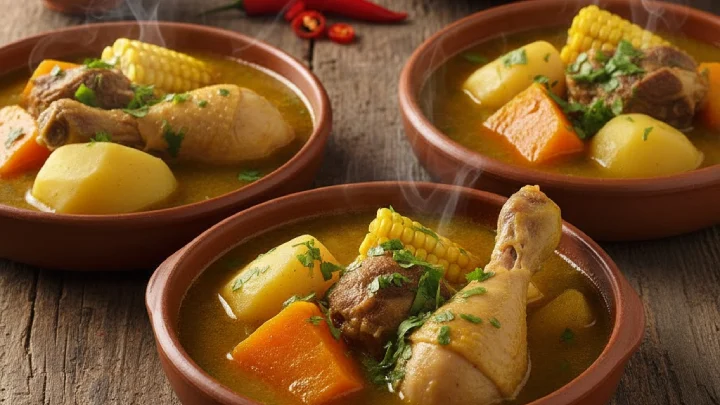
Table of Content
Traditional Chilean Cazuela
Click here to see more portionsCazuela stands as Chile's quintessential comfort food and one of the most cherished dishes in Chilean home cooking—a hearty, nourishing stew that embodies the country's agricultural abundance and Spanish-indigenous fusion cuisine. The name comes from the clay pot (cazuela de barro) traditionally used for cooking and serving this beloved dish, though the term now refers to the stew itself. At its heart, cazuela is a clear, flavorful broth swimming with generous pieces of chicken or beef, chunks of pumpkin and potato, sweet corn on the cob, and an array of vegetables that vary by season and region. Unlike thick, European-style stews, cazuela features a relatively thin but intensely flavorful broth that allows each ingredient to shine individually while contributing to the harmonious whole. It's rustic, honest cooking—nothing fancy or fussy, just wholesome ingredients treated with respect and patience. Cazuela appears on Chilean tables year-round but is especially comforting during cold winter months in the central and southern regions. Every Chilean family has their version, passed down through generations, with fierce debates about whether chicken or beef is superior, whether to include rice, and what vegetables are essential versus optional. What unites all versions is the soul-warming quality, the way it nourishes body and spirit, and how it represents Chilean hospitality—abundant, welcoming, and made with love.
| Ingredient | Amount |
|---|---|
| For the Protein: | |
| Chicken Pieces | 1200g (thighs, legs, breast with bone and skin) |
| Beef Short Ribs | 800g (alternative to chicken, bone-in) |
| For the Broth Base: | |
| Onions | 300g (cut into large chunks) |
| Garlic Cloves | 20g (about 4 cloves, smashed) |
| Tomatoes | 200g (chopped, fresh or canned) |
| Red Bell Pepper | 150g (cut into strips) |
| Ground Cumin | 8g |
| Paprika | 5g |
| Dried Oregano | 5g |
| Bay Leaves | 2g (2 leaves) |
| Black Pepper | 5g (freshly ground) |
| Salt | 20g (to taste) |
| Water | 3000ml (or stock) |
| Vegetable Oil | 60ml |
| For the Vegetables: | |
| Pumpkin | 500g (zapallo, peeled, cut into large chunks) |
| Potatoes | 600g (peeled, cut into large chunks) |
| Corn on the Cob | 400g (choclo, cut into 5cm rounds) |
| Carrots | 400g (peeled, cut into large chunks) |
| Green Beans | 300g (trimmed, cut into 5cm pieces) |
| Cabbage | 200g (cut into wedges) |
| Rice | 150g (optional, rinsed) |
| For Garnish & Serving: | |
| Fresh Cilantro | 40g (chopped) |
| Fresh Parsley | 30g (chopped) |
| Fresh Aji Verde | 30g (Chilean green chili, optional) |
Instructions:
1. Prepare Your Ingredients with Traditional Care:
The beauty of cazuela lies in its simplicity and the quality of ingredients. If using chicken, choose bone-in, skin-on pieces—a mix of thighs, drumsticks, and breast pieces works beautifully. The bones and skin add essential flavor and richness to the broth. If using beef, short ribs are traditional and provide wonderful flavor from the bones and marbling. Cut your vegetables into substantial, rustic chunks—this is peasant food, not refined cuisine, and the vegetables should be hearty and visible. Peel and cut the pumpkin (zapallo) into 5-6cm chunks; Chilean pumpkin is sweet and dense, similar to kabocha or butternut squash. Cut potatoes into similar-sized chunks. Slice the corn into thick rounds, about 5cm each. Cut carrots into large pieces. Trim green beans and cut into manageable lengths. Cut cabbage into wedges, keeping some core to hold leaves together. The key is uniform sizing so everything cooks evenly, but the pieces should be generous—this is about abundance and comfort, not delicacy.
2. Build the Foundation with Meat and Aromatics:
In a large, heavy-bottomed pot or Dutch oven (at least 6-7 liters capacity—cazuela is generous), heat the vegetable oil over medium-high heat. Season the chicken pieces or beef short ribs generously with salt and pepper. Working in batches to avoid crowding, brown the meat on all sides until golden—about 3-4 minutes per side for chicken, longer for beef. This browning creates foundational flavor through the Maillard reaction. Don't skip this step even though the meat will cook further; the caramelization is essential. Remove browned meat and set aside. In the rendered fat and browned bits remaining in the pot, add the chunked onions and cook for 5-7 minutes until softened and beginning to color. Add the smashed garlic cloves, cumin, paprika, and oregano, stirring for 1-2 minutes until fragrant. The kitchen should smell warm, inviting, and promising—this aromatic base is the soul of cazuela.
3. Create the Rich, Flavorful Broth:
Return the browned meat to the pot along with any accumulated juices. Add the chopped tomatoes, red bell pepper strips, bay leaves, and black pepper. Pour in the water—it should cover everything by about 5cm. Some cooks use homemade stock, but traditional cazuela often uses water, relying on the meat, bones, and vegetables to create flavor. Bring to a boil over high heat, then immediately reduce to a gentle simmer. Skim off any foam or impurities that rise to the surface—this ensures a clear, clean-tasting broth, which is characteristic of good cazuela. The broth should be relatively clear and light, not thick or cloudy. Cover partially and simmer gently for 30 minutes if using chicken, 60 minutes if using beef—you want the meat to be tender but not falling apart yet, as it will cook more with the vegetables. The broth should be developing beautiful flavor, taking on the essence of the meat and aromatics. Taste and adjust seasoning with salt—it should be well-seasoned but not overwhelming, as vegetables will dilute it slightly.
4. Add Vegetables in Strategic Stages:
Now comes the careful layering of vegetables based on cooking times—this ensures everything finishes perfectly without some vegetables turning to mush while others remain hard. First, add the carrots and pumpkin chunks to the simmering broth. These are the hardest vegetables and need the most time. If using rice (optional but traditional in some regions), add it now as well—it will cook in the broth, absorbing flavor and adding body. Return to a gentle simmer and cook for 10 minutes. Next, add the potato chunks and corn rounds. Nestle them into the broth, making sure they're mostly submerged. Continue simmering for another 10 minutes. Finally, add the green beans and cabbage wedges—these need the least time and can become mushy if overcooked. Simmer for a final 10-15 minutes. By now, all vegetables should be tender when pierced with a fork but still holding their shape, the meat should be very tender and nearly falling off the bone, and the broth should be rich, flavorful, and aromatic. The pumpkin might be breaking down slightly, which is fine—it adds natural sweetness and body to the broth.
5. Final Adjustments and Resting:
Taste the broth and adjust seasoning as needed—it should be well-seasoned, savory, with warmth from cumin, slight sweetness from pumpkin and corn, and depth from the long-simmered meat. The broth shouldn't be salty or overpowering, but rather balanced and comforting. Remove from heat and let the cazuela rest for 5-10 minutes before serving. This resting period allows flavors to settle and meld, temperatures to equalize slightly (making it safer to eat), and gives you time to prepare serving bowls and garnishes. The resting also allows any excess fat to rise to the surface, which you can skim off if desired, though some fat adds richness and is traditional. Cazuela should be served hot but not scalding—you want to taste all the components, not burn your tongue. Remove the bay leaves before serving.
6. Serve in Traditional Chilean Style:
Cazuela is traditionally served in wide, shallow bowls (often clay bowls called "platos de greda"), with each serving containing a generous piece of meat, an assortment of all the vegetables, several corn rounds, and plenty of the flavorful broth. The presentation should be rustic and abundant—this is comfort food meant to satisfy and nourish. Use a large ladle to scoop broth along with vegetables into each bowl, then add a piece of chicken or beef. Make sure each person gets a variety of vegetables—a chunk of pumpkin, potato, carrot, some green beans, a wedge of cabbage, and at least one piece of corn. The corn on the cob is eaten by hand, which is perfectly acceptable and traditional. Garnish each bowl generously with fresh chopped cilantro and parsley—the bright herbs add freshness and color contrast to the warm, earthy stew. Serve immediately while hot, with fresh bread on the side for soaking up the delicious broth.
7. Accompany with Traditional Sides:
While cazuela is a complete meal in itself, certain accompaniments enhance the experience. Fresh Chilean bread (marraqueta or hallulla) is essential for soaking up every drop of broth—Chileans take their bread seriously, and it's integral to the meal. Some families serve cazuela with Chilean pebre (a fresh salsa of tomatoes, onions, cilantro, and ají verde) on the side for those who want extra brightness and heat. A small dish of ají verde (Chilean green chili) or merkén allows people to adjust the spice level to their preference. Chilean red wine is traditional, though some prefer a cold beer. The meal is typically eaten slowly, savoring each component, with conversation and connection—cazuela is as much about gathering and comfort as it is about sustenance. The broth is so delicious that many Chileans drink it like soup after finishing the solids, ensuring not a drop is wasted.
8. Storage and Next-Day Magic:
Cazuela keeps beautifully and many argue it's even better the next day as flavors continue to meld. Let leftover cazuela cool to room temperature, then refrigerate in an airtight container for up to 3 days. The fat will solidify on top, which you can either remove for a lighter broth or stir back in for richness. To reheat, warm gently on the stovetop over medium-low heat, stirring occasionally, until heated through—don't boil vigorously as this can make vegetables mushy. You may need to add a splash of water or stock as the rice and vegetables will have absorbed some liquid. The meat will be even more tender after resting overnight. Some families intentionally make extra cazuela specifically because the leftovers are so cherished. The next-day version makes a perfect lunch or light dinner, requiring minimal effort while delivering maximum comfort and satisfaction.
Chilean Kitchen Wisdom & Cazuela Traditions:
- Chicken vs. Beef Debate: Both are traditional and beloved. Chicken (cazuela de ave) is lighter and more common in summer; beef (cazuela de vacuno) is heartier and preferred in winter. Neither is more authentic—choose based on preference.
- Zapallo is Essential: Chilean pumpkin (zapallo) is non-negotiable in authentic cazuela. Its sweetness balances savory elements and adds natural body to broth. Use kabocha, butternut squash, or other sweet, dense pumpkins as substitutes.
- The Corn Connection: Fresh corn on the cob (choclo) is essential—it adds sweetness and is meant to be eaten with your hands. Don't substitute canned corn; the fresh cob is integral to the experience.
- Bone-In is Better: Always use bone-in meat—the bones add gelatin and deep flavor that boneless meat simply cannot provide. This is what makes cazuela's broth so rich despite being clear.
- Clear Broth Philosophy: Unlike thick stews, cazuela features relatively thin, clear broth. This isn't a deficiency; it's intentional. The clarity showcases the quality of ingredients and allows each component to shine.
- Cumin is Signature: As with many Chilean dishes, cumin is the defining spice. It should be noticeable but not overwhelming—warm, earthy, and comforting.
- The Rice Question: Some regions add rice, others don't. Both are authentic. Rice adds body and makes cazuela more filling but isn't essential.
- Seasonal Flexibility: While certain vegetables are traditional, cazuela adapts to seasons. Summer might include fresh peas or zucchini; winter favors root vegetables and squash.
- Size Matters: Cazuela is served in large, generous portions. This is filling, substantial food meant to satisfy completely—not a light appetizer or delicate soup.
- Family Variations: Every Chilean family insists their way is the "correct" way. These variations—different vegetables, spice levels, rice or no rice—are part of cazuela's charm and reflect family traditions.
Chilean Heritage & Comfort Food Tradition
Cazuela represents the fusion of Spanish and indigenous Mapuche culinary traditions that defines Chilean cuisine. The Spanish brought techniques for making hearty stews (similar to Spanish cocido or puchero), while indigenous people contributed native ingredients like corn, pumpkin, potatoes, and beans. Over centuries, these influences melded into something distinctly Chilean. Cazuela appears in Chilean cookbooks dating back to the 19th century and has remained fundamentally unchanged—a testament to its perfection. It's the dish Chilean grandmothers make when family visits, what mothers prepare when children are sick, and what families share on Sunday afternoons. Unlike empanadas or pastel de choclo which are associated with celebrations, cazuela is everyday comfort—humble, nourishing, and deeply connected to home. It reflects Chile's agricultural abundance, with ingredients that grow throughout the country's diverse climates. Regional variations exist: coastal areas might add seafood, northern regions include quinoa, southern Patagonia features lamb. Yet all versions share that essential comforting quality—the warmth that comes not just from temperature but from tradition, memory, and love. Cazuela isn't fancy or refined; it's honest, generous food that speaks to Chilean values of family, tradition, and the simple pleasures of a well-made meal shared in good company.
This soul-warming stew proves that the best comfort foods are those passed through generations, carrying memories and love in every spoonful. Each bowl delivers not just nourishment but connection to Chilean heart and home. ¡Que aproveche!
Calculate Portions by Guest Count
Select the number of people you're serving to get precise measurements
Portions for
2 People
1000 g total Cazuela
Portions for
4 People
2000 g total Cazuela
Portions for
6 People
3000 g total Cazuela
Portions for
8 People
4000 g total Cazuela
Portions for
10 People
5000 g total Cazuela
Portions for
12 People
6000 g total Cazuela
Portions for
15 People
7500 g total Cazuela
Portions for
20 People
10000 g total Cazuela
Portions for
30 People
15000 g total Cazuela
Portions for
50 People
25000 g total Cazuela
Portions for
75 People
37500 g total Cazuela
Portions for
100 People
50000 g total Cazuela
Portions for
200 People
100000 g total Cazuela
Quick Reference Guide
500g
Per Serving
2000g
For 4 People
5000g
For 10 People
25kg
For 50 People
Related Categories
Pro Tips
- • Always prepare slightly more than calculated to account for hearty appetites
- • Consider the occasion: formal dinners typically require more precise portions
- • Account for side dishes when planning main course quantities
- • Store leftovers properly to minimize waste and extend freshness