Perfect Rice Portions: From Sides to Main Courses
Never guess with rice again. Calculate the exact amount of uncooked rice needed for any number of guests, whether it's a side dish or the main event.
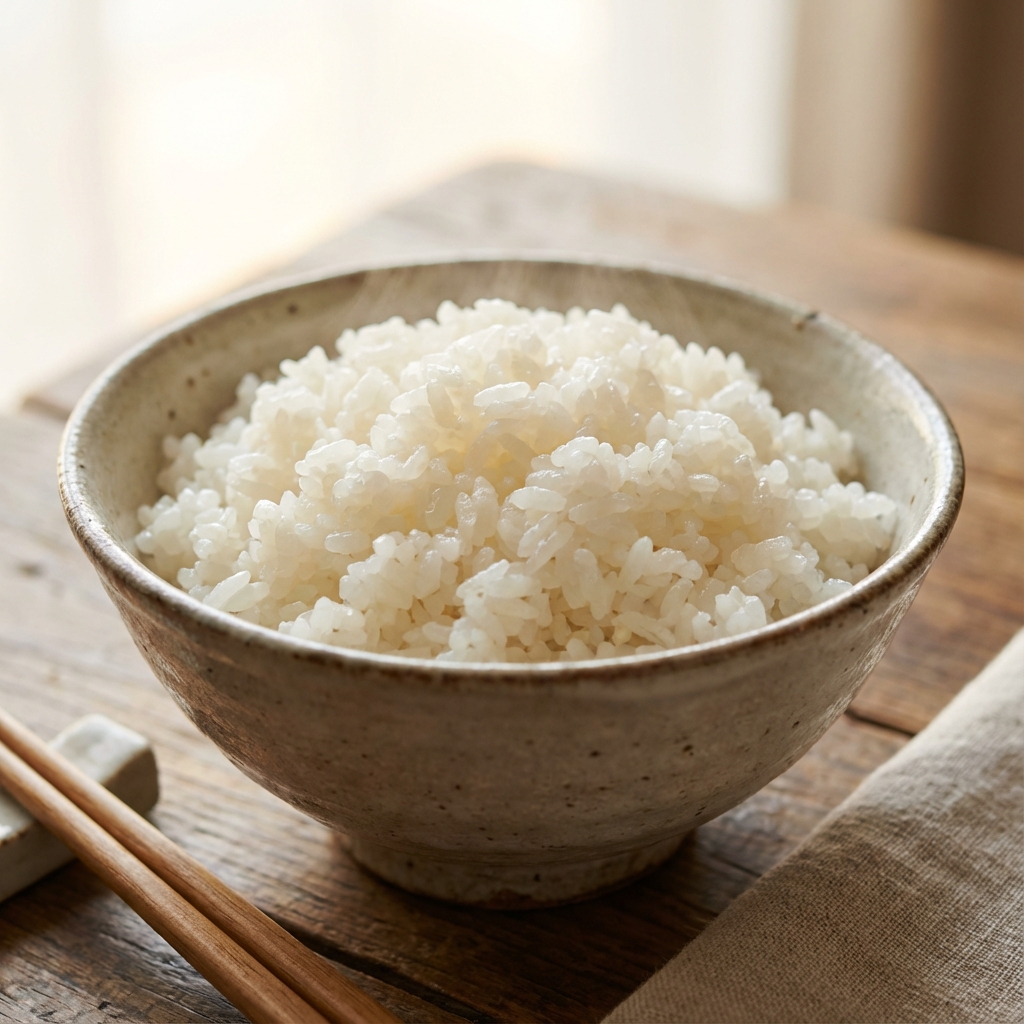
The Golden Rules of Rice
Rice is the world's most popular side dish for a reason — it's cheap, fills plates, and pairs with almost anything. But cooking the right amount can be surprisingly tricky, mostly because rice roughly triples in volume once cooked, which makes it easy to misjudge from the dry measurement alone. Too little and guests go hungry; too much and you're eating rice leftovers for a week. The key is knowing how much dry, uncooked rice to buy and cook per person, and adjusting that number depending on whether rice is a small side dish or the main component of the meal.
Pro Tip:
Our calculator uses 75g of uncooked rice per person for a standard side dish. This roughly doubles to about 150-200g cooked rice per serving, which is the typical portion size used in catering and restaurant planning.
Choosing a Rice Variety
Different rice varieties behave differently when cooked, which affects both texture and how much you'll want to serve:
- Long-grain white rice (Jasmine, Basmati): Light and fluffy, with separate grains. The most versatile choice for everyday sides.
- Short-grain white rice (Sushi rice, Arborio): Stickier and creamier, best for sushi, risotto, or rice pudding rather than as a plain side.
- Brown rice: Denser and more filling per gram than white rice, with a nuttier flavor. Because it's more filling, you can sometimes get away with slightly smaller portions.
- Wild rice: Technically a grass seed, not true rice. Strong, earthy flavor, often blended with white or brown rice rather than served alone.
Cooked vs. Uncooked: Why the Ratio Matters
Rice absorbs water as it cooks and expands significantly in volume and weight — generally close to triple its dry weight once fully cooked, though the exact multiplier varies slightly by variety. This is the most common source of rice-planning mistakes: a recipe or memory of "a cup of rice feeds four" doesn't account for whether that cup was measured before or after cooking. Always plan your shopping list and your cooking pot based on dry, uncooked weight — it's the only consistent unit, since cooked rice volume depends on how much water it absorbed.
Side Dish vs. Main Course Portions
How much rice you need changes a lot depending on its role on the plate:
- Side dish alongside protein and vegetables: 60-75g uncooked rice per person is standard, since rice is sharing plate space with other components.
- Main base of a bowl (burrito bowl, stir-fry, curry over rice): Scale up to 100-120g uncooked per person, since rice is the bulk of the meal here.
- Buffet or potluck setting: People tend to take smaller portions when there are many dishes to sample, so 50-60g uncooked per person is often enough.
- Kids' portions: Roughly half an adult serving, around 30-40g uncooked, especially if rice is paired with other starches.
Basic Cooking Method
Once you know how much dry rice you need, cooking it well comes down to a few simple steps:
- Rinse first: Rinse white rice under cold water until it runs mostly clear. This removes excess surface starch and prevents the grains from clumping or turning gummy.
- Use the right ratio: For most long-grain white rice, use roughly 1:2 (1 part rice to 2 parts water by volume). Brown rice needs more water and time, closer to 1:2.5.
- Simmer, don't boil: Bring to a boil, then immediately reduce heat to the lowest setting, cover tightly, and avoid lifting the lid — trapped steam does the cooking.
- Rest, then fluff: After cooking (about 15-20 minutes for white rice, 40-45 for brown), remove from heat and let it sit covered for 10 minutes before fluffing with a fork. This resting step lets residual moisture redistribute evenly.
Common Mistakes: Running Out vs. Over-Buying
The most common rice-planning mistake is measuring portions after cooking instead of before, which leads to inconsistent results since cooked volume depends on how much water was absorbed. The fix is simple: always measure and shop by dry weight, and use a consistent per-person gram amount rather than eyeballing cups. Over-buying dry rice is low-risk compared to most other party foods, since uncooked rice has a very long shelf life when stored in a sealed, dry container — so a little extra in the pantry is never really wasted.
Storage and Leftovers
Cooked rice should be cooled and refrigerated within an hour or two of cooking, and is best used within 3-4 days. Leftover rice is excellent recycled into fried rice — in fact, day-old, chilled rice fries better than fresh rice, since the grains have dried out slightly and separate more easily in the pan. Cooked rice can also be frozen in portioned bags for a quick reheat later, making it one of the most leftover-friendly sides to slightly over-cook.
Pairing Suggestions
Rice is a neutral base that adapts to almost any cuisine, which makes planning the rest of the meal easier once your rice quantity is set:
- Curries and stews: Long-grain white or basmati rice soaks up sauce well without becoming mushy.
- Stir-fries: Day-old jasmine rice is ideal, since it's drier and won't clump when tossed in a hot pan.
- Beans and legumes: A rice-and-beans combo is a classic, filling pairing that stretches a meal further for less cost.
- Grilled meats: A simply seasoned rice (salt, butter or oil) lets bolder, marinated proteins stand out as the main flavor.
Shopping Smart: Bags and Bulk Buying
Rice is one of the most economical pantry staples to buy in bulk, since dry rice has such a long shelf life. For regular cooking, a 2-5kg bag is the most practical size for most households. For catering a large event, buying a 10-20kg sack from a wholesale or bulk retailer can cut the per-kilogram price significantly compared to small grocery-store bags — and any unused rice simply goes back into the pantry rather than being wasted. Just make sure you have a sealed, airtight container or bucket to store bulk rice in, since loose bags are more vulnerable to moisture and pests over time.
Dietary Variations
Rice is naturally gluten-free and allergy-friendly, which makes it an easy side to plan around mixed dietary needs:
- Gluten-free guests: Plain rice is inherently gluten-free; just double-check that any added broth, seasoning packets, or sauces served alongside it are also gluten-free.
- Vegan guests: Skip the butter and use oil or a plant-based butter alternative instead — the rice-to-water ratio and per-person quantity stay the same.
- Low-glycemic or diabetic-friendly meals: Brown rice, wild rice, or basmati (which has a comparatively lower glycemic index than some other white rice varieties) are reasonable swaps without changing your portioning math.
- Higher-protein needs: Pairing rice with beans or lentils is a simple way to round out a vegetarian main course without buying additional protein-specific ingredients.
Cooking for a Crowd: Equipment Matters
Once you're cooking for more than 8-10 people, a standard pot starts to become impractical — the heat doesn't distribute evenly across a wide, deep volume of rice, and you risk burnt rice at the bottom while the top stays undercooked. A rice cooker is the most reliable tool for consistent results at any scale, since it automatically regulates temperature and shuts off (or switches to "keep warm") once the rice is done. If you're cooking a very large batch for a party without a rice cooker, it's often safer to cook rice in two or three smaller batches rather than one oversized pot — the texture will be more even, even though it takes a bit more active attention.
Frequently Asked Questions
How much rice do I need for 8 people as a side dish?
At 75g uncooked rice per person, plan for about 600g (roughly 3 cups dry) for 8 guests as a side dish.
Does 1 cup of dry rice really make 3 cups cooked?
Roughly, yes — most white rice expands to about 3 times its dry volume once cooked, though the exact ratio varies slightly by variety and cooking method.
Should I cook more rice if it's the main dish instead of a side?
Yes. Scale up to 100-120g uncooked rice per person when it's the base of a bowl or the main carbohydrate in the meal, rather than the 60-75g used for a side dish.
How long does uncooked rice last in storage?
White rice stored in a cool, dry, sealed container can last well over a year, making it very low-risk to buy a bit extra. Brown rice has a shorter shelf life due to its natural oils and is best used within 6 months for the best flavor.
What's the best way to cook rice for a large party?
A rice cooker scales reliably and is the easiest option if you have one large enough. Without one, cook in multiple smaller pot batches rather than one oversized pot, since heat distributes more evenly in a smaller volume.
With a reliable per-person dry weight and a clear sense of whether rice is playing a supporting or starring role on the plate, you'll rarely be left scraping the pot or staring down a week of unplanned rice leftovers.
Calculate Portions by Guest Count
Select the number of people you're serving to get precise measurements
Portions for
2 People
150 g total Rice
Portions for
4 People
300 g total Rice
Portions for
6 People
450 g total Rice
Portions for
8 People
600 g total Rice
Portions for
10 People
750 g total Rice
Portions for
12 People
900 g total Rice
Portions for
15 People
1125 g total Rice
Portions for
20 People
1500 g total Rice
Portions for
30 People
2250 g total Rice
Portions for
50 People
3750 g total Rice
Portions for
75 People
5625 g total Rice
Portions for
100 People
7500 g total Rice
Portions for
200 People
15000 g total Rice
Quick Reference Guide
75g
Per Serving
300g
For 4 People
750g
For 10 People
3.75kg
For 50 People
Related Categories
Pro Tips
- • Always prepare slightly more than calculated to account for hearty appetites
- • Consider the occasion: formal dinners typically require more precise portions
- • Account for side dishes when planning main course quantities
- • Store leftovers properly to minimize waste and extend freshness